What does starfruit do to your body?
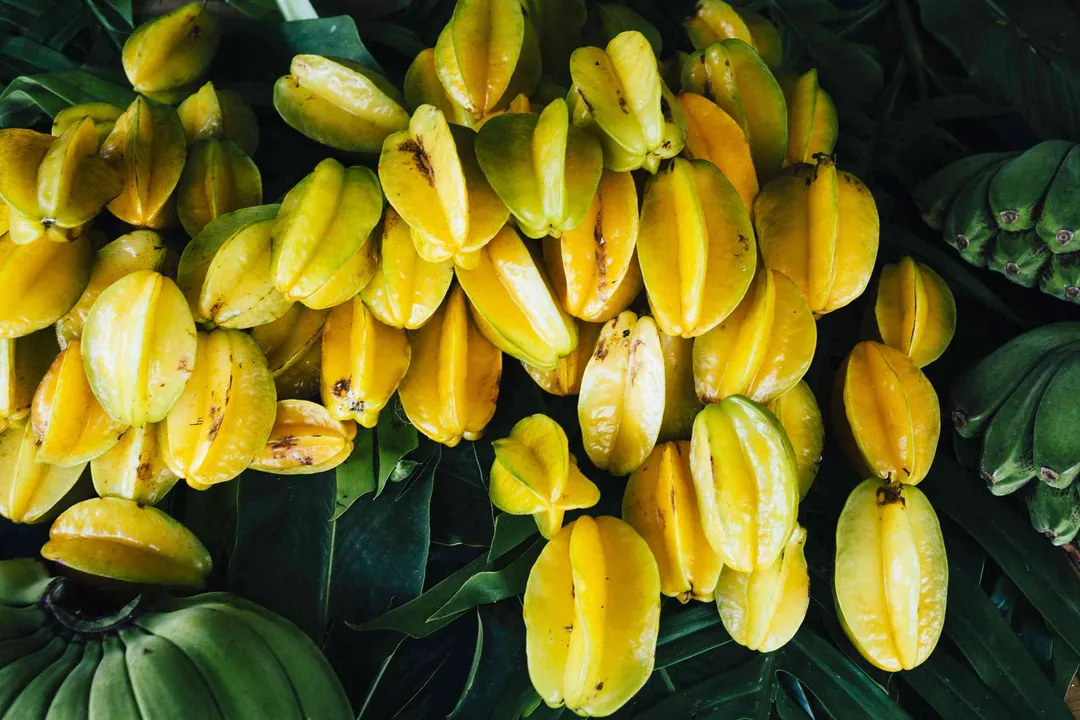
The star fruit, scientifically known as carambola, presents a unique, bright yellow, star-shaped cross-section that immediately catches the eye in any fruit bowl. Its juicy, crisp flesh offers a taste profile often described as a blend of apple, grape, and citrus, making it a genuinely distinctive tropical treat. [8][2] However, beyond its appealing appearance and generally mild flavor, understanding what this exotic fruit does to the human body requires looking closely at its nutritional makeup, its potential health-supporting qualities, and, critically, the serious risks it poses to certain individuals. [5]
# Basic Makeup

From a general nutritional standpoint, star fruit is quite friendly. It is low in calories, making it a light addition to any diet, typically containing only about 30 calories per medium fruit. [1][8] It also carries a significant amount of dietary fiber, which is great for digestive regularity and can contribute to feelings of fullness. [1][6]
When you slice into a star fruit, you are also consuming a good dose of essential vitamins and minerals. Vitamin C is particularly noteworthy; a single serving can provide a substantial portion of your daily requirement. [1][4] This powerful antioxidant plays a part in maintaining a functional immune system and aiding in collagen production. [1][3] Furthermore, star fruit supplies several B vitamins, including folate, and minerals like potassium. [1][7] Potassium, in particular, is an important electrolyte that assists in fluid balance and helps counteract the effects of sodium on blood pressure. [6]
| Nutrient Highlight | Primary Benefit | Supporting Source(s) |
|---|---|---|
| Vitamin C | Immune function, antioxidant protection | [1][4] |
| Dietary Fiber | Digestive health, satiety | [1][6] |
| Potassium | Blood pressure regulation | [6] |
| Vitamin B6, Folate | Metabolic processes | [7] |
# General Wellness
The blend of nutrients in star fruit lends itself to several generalized health advantages, assuming the consumer has healthy kidneys. The high antioxidant content, driven largely by Vitamin C and other polyphenols, helps combat oxidative stress throughout the body. [3] Oxidative stress is the process where unstable molecules, called free radicals, damage cells, and reducing this stress is associated with a lower risk for chronic diseases. [3]
The fiber content is another key player in general well-being. Sources suggest that this fruit can positively influence blood sugar levels by slowing down the rate at which sugar is absorbed into the bloodstream. [6][1] For those monitoring their cholesterol, the soluble fiber may also help bind to cholesterol particles in the digestive tract, preventing their absorption. [6] Considering that a typical medium star fruit contains around 4 grams of fiber, enjoying one as a mid-afternoon snack could meaningfully contribute to reaching daily intake goals for many people. [1] To put that into perspective, a healthy adult aiming for 25-30 grams of fiber daily gets about 15% of that goal from this single fruit, providing a good nutritional lift without adding significant sugar or fat. [1]

# Kidney Danger
This is where the conversation about star fruit takes a critical turn, moving from simple nutrition to potentially life-threatening danger. Star fruit contains significant amounts of soluble oxalic acid, also known as oxalates. [5][8] In the body, oxalates are usually filtered out by healthy kidneys and excreted through urine. [5]
However, for individuals whose kidneys are impaired—whether due to chronic kidney disease (CKD), acute kidney injury, or even just reduced function from dehydration or other illnesses—this filtration process fails. [5][9] When the kidneys cannot remove the excess oxalate, it builds up in the bloodstream. This buildup can lead to a severe and rapid toxic reaction known as oxalosis. [5][9] Symptoms of star fruit poisoning can manifest quickly and include hiccups, vomiting, mental confusion, and in the most severe cases, seizures, kidney failure, and even death. [5][2] Organizations like the National Kidney Foundation strongly caution people with any form of kidney disease to completely avoid consuming star fruit in any quantity. [5]
Furthermore, the fruit contains a potent neurotoxin called caramboxin, which is typically harmlessly eliminated by functioning kidneys. [5][9] When kidney function is compromised, caramboxin can cross the blood-brain barrier, directly affecting the central nervous system, which explains the observed neurological symptoms in poisoning cases. [5][9]
# High Risk
The danger isn't limited strictly to those diagnosed with advanced kidney disease. Several groups need to exercise extreme caution or abstain entirely. Because the kidneys are responsible for clearing the fruit's components, anyone experiencing acute kidney injury, even temporarily, is at risk. [5]
A less obvious group to consider involves those taking certain medications. Some prescription drugs, particularly those that affect kidney function or are primarily cleared by the kidneys, might interact negatively with the fruit's compounds or reduce the body’s ability to process the load of oxalates. [9] If you are on dialysis, you absolutely must avoid star fruit, as your treatment cannot reliably clear the high level of toxins present. [5]
A subtle piece of advice, often overlooked, pertains to the fruit's ripeness. While the danger is primarily tied to poor kidney function, some literature suggests that slightly underripe fruits may contain higher concentrations of these acidic and toxic compounds compared to fully mature ones. [7] If you are a healthy individual choosing to consume star fruit occasionally, opting for a fruit that is fully yellow, perhaps with a few brown spots indicating peak sweetness and maturity, might be a sensible, though not entirely risk-eliminating, preference. [7]
# Consumption Tips
For the vast majority of people with normal kidney function, star fruit can be enjoyed safely as part of a balanced diet. It is incredibly versatile. You can eat the whole thing, including the thin skin, simply by slicing it crosswise to reveal the signature star shape. [2][4] The seeds are often edible or easily removed. [4]
You can incorporate it into savory dishes, use it as a colorful garnish for salads, or blend it into smoothies. [2][4] A simple way to experience its flavor profile is to let it sit in a glass of water for about an hour; this allows some of the fruit's flavor to infuse the water slightly, making for a refreshing, lightly flavored drink. [7]
When preparing star fruit, it is important to remember that while it is low in calories, it is not a low-sugar fruit relative to some others like berries. [1] If you are managing diabetes, moderation remains key, even though the fiber helps slow absorption. [6] Pair it, if possible, with a source of protein or healthy fat—like adding a few slices to a Greek yogurt bowl or a handful of almonds—to further temper the glycemic response, creating a slower-releasing energy source rather than a quick sugar spike. [1]
Enjoying this vibrant fruit is an excellent way to boost your intake of beneficial plant compounds, provided you respect the clear warning: if you have any doubt whatsoever about your kidney health, keep that beautiful star shape on the shelf and choose a different fruit altogether.
Related Questions
#Citations
Star Fruit: Benefits, Risks, and How to Eat It - Healthline
Star Fruit: Nutrition and Health Benefits - WebMD
Nutritional and medicinal properties of Star fruit (Averrhoa carambola)
3 Benefits of Star Fruit, Plus Facts and Nutrition - Health
Why You Should Avoid Eating Starfruit - National Kidney Foundation
Star Fruit Benefits: How Carambola Helps Lower BP & Cholesterol
[PDF] Health Benefits of Starfruit
Star fruit: Benefits, nutrient profile, and how to enjoy it
6 Star Fruit Benefits and Why It's Not Right for Everyone
Star Fruits: Benefits, Side Effects and How to Eat It | Fitterfly