What are the benefits of dioscorea trifida?
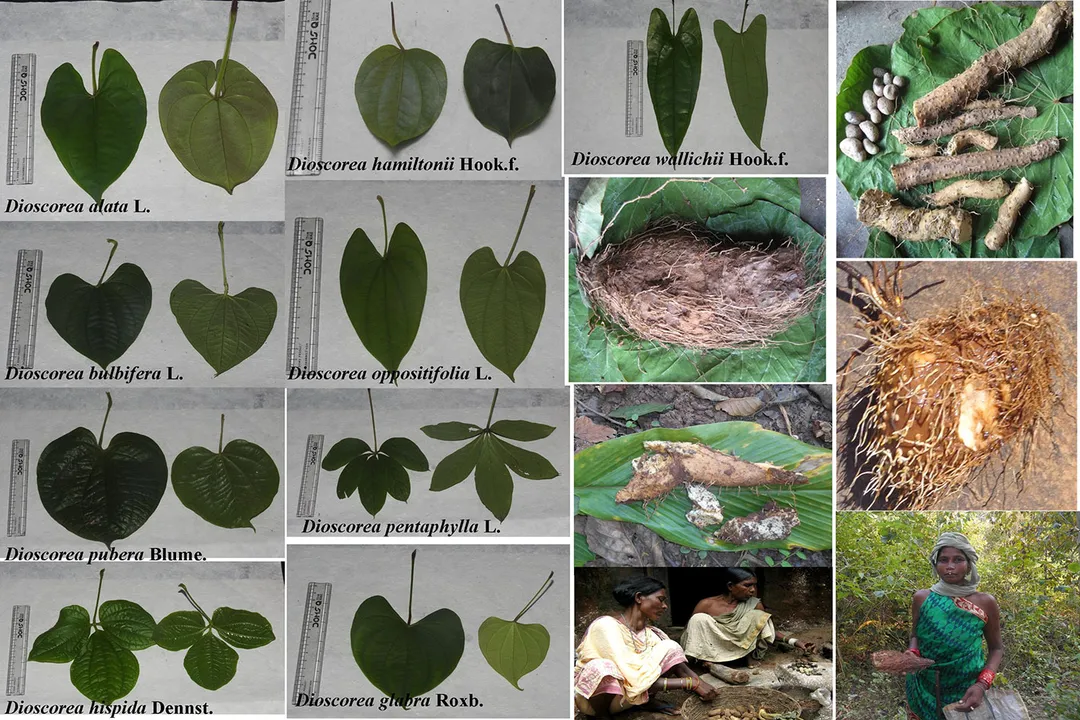
Dioscorea trifida, commonly known in many regions as the Cush-cush yam, represents a significant, though sometimes overshadowed, member of the Dioscorea genus. [2] This starchy tuber holds substantial interest not only as a food staple in its native tropical American environments but increasingly due to its unique biochemical makeup that suggests various health advantages. [2][5] Understanding the benefits requires looking beyond its simple carbohydrate content to examine the specific compounds that drive its recognized medicinal potential. [3]
# Botanical Identity
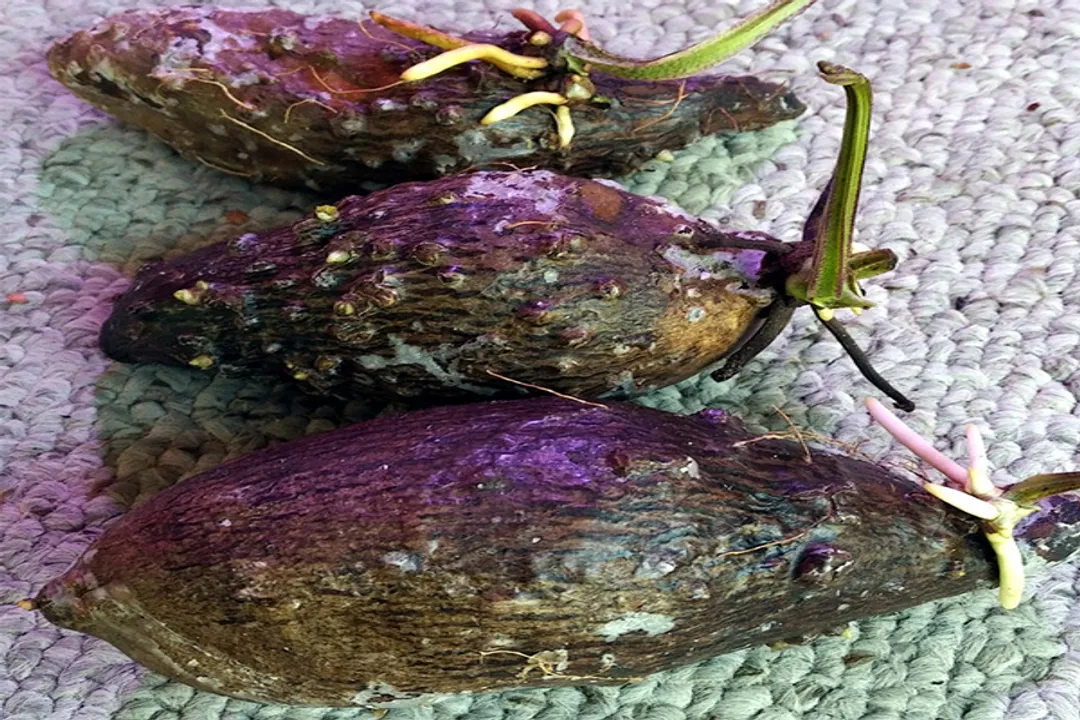
The species name Dioscorea trifida clearly defines this plant, which belongs to the family Dioscoreaceae. [2] Unlike some of the more globally recognized yams, such as D. rotundata or D. cayenensis, D. trifida is native to tropical areas of the Americas. [2] While it shares the general "yam" designation, it is important for researchers and consumers alike to recognize that it is genetically and chemically distinct from other species, such as Dioscorea esculenta, the white yam. [8] This distinction is critical because the specific distribution of nutrients and bioactive agents varies considerably between yam species. [1][8] The plant produces tubers that are described as having a distinctive appearance, often used locally where cultivation is common. [2]
# Tuber Composition
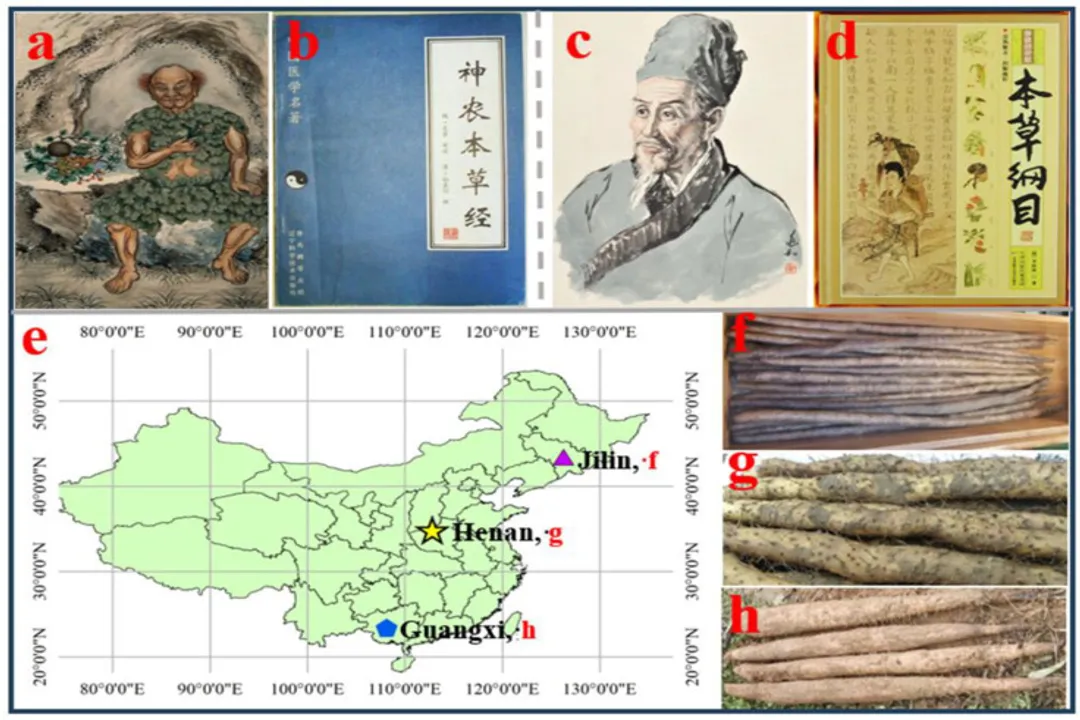
As a starchy root vegetable, D. trifida serves as a caloric foundation in many diets, much like other tuber crops. [9] Its primary benefit stems from its nutritional density, which includes a decent proportion of essential minerals and vitamins, though these levels can fluctuate based on soil conditions and harvest timing. [1] More compelling, scientifically, is the presence of specific non-nutritive compounds. Studies have identified significant levels of bioactive constituents, including phenolics and flavonoids, within the tuber. [3][5] These chemical markers are what draw the attention of modern pharmacological investigation, as they are often linked to protective biological effects in the human body. [5]
It is worth noting that when comparing it to other starchy staples, like the sweet potato or general yam discussed in broad nutritional contexts, the specific phenolic profile of D. trifida provides a unique fingerprint. [1] For someone seeking traditional dietary support beyond simple energy, understanding this chemical profile allows for a more targeted approach to incorporating this specific species rather than assuming all yams offer identical benefits. [8]
# Folk Practices
Historically, various parts of the D. trifida plant have found roles in traditional medicine across the regions where it is cultivated. [4] In many local contexts, yams like this one are not merely viewed as starch; they are seen as therapeutic food sources. [4] While specific, universally standardized traditional preparations are rare due to regional variations, anecdotal evidence, often preserved through oral tradition or local community sharing, suggests uses targeting inflammation and general well-being. [4]
The use of tubers in traditional settings often centers on boiling or cooking them thoroughly before consumption. [4] This aligns with general food safety practices, especially for wild-harvested or less domesticated varieties. [2] The continuity of use across generations speaks to perceived efficacy, even if the underlying mechanism was understood through traditional knowledge rather than modern chemistry. [4]
# Pharmacological Promise
Modern scientific examination is attempting to quantify the benefits suggested by traditional use, focusing heavily on the extractable properties of D. trifida. [3][5][6] A primary area of research revolves around its antioxidant capacity. [3][5] Antioxidants combat oxidative stress, which is implicated in aging and chronic disease progression. [3] Research specifically points to the tuber extracts demonstrating strong free radical scavenging activity, suggesting a potential role in cellular protection. [5]
Furthermore, several studies indicate significant anti-inflammatory potential. [3][5] Inflammation is a fundamental response, but chronic, low-grade inflammation is a driver for many long-term health issues. Compounds within D. trifida have been shown in experimental models to modulate inflammatory pathways. [3] This dual action—antioxidant and anti-inflammatory—forms the core of the modern scientific interest in this species. [5] Some specific investigations highlight its efficacy in modulating certain markers related to inflammation in laboratory settings. [7]
# Key Molecules
The observed pharmacological effects are directly traceable to the chemistry of the tuber. The primary active agents identified in various scientific extractions are phenolic compounds and flavonoids. [3][5] These are well-known classes of phytochemicals present in many plants that confer health benefits. [5] For instance, certain extracts have been shown to contain specific steroidal saponins and polyphenols. [6]
When comparing the chemical composition, it’s noted that extraction efficiency is highly dependent on the method used, which is a vital consideration for quality control in any potential commercial or therapeutic application. [3] For instance, one study found that different solvents yielded extracts with varied levels of total phenolics and different levels of observed biological activity. [3] This means that simply consuming the tuber might offer one level of benefit, while a concentrated extract developed for targeted use might offer a significantly different, potentially higher, dose of these active agents. [7]
# Consumption Context
Understanding how to approach D. trifida requires balancing traditional preparation methods with modern chemical insights. Since the bioactive components like phenolics are extractable but their stability during intensive heat treatment is a variable, preparation methods matter significantly for maximizing health benefits. [3] If one is consuming the tuber as a staple food, the primary benefit leans toward energy provision and baseline nutrient intake. [1] If one is seeking the therapeutic benefits suggested by the research, the method of consumption—whether fresh, lightly boiled, or as a standardized extract—will dictate the effective dosage of the active molecules. [5]
For example, when processing yams, particularly when preparing them for storage or sale, methods involving simple boiling or steaming are often preferred over deep frying, as high-heat, high-fat processing can alter the integrity of heat-sensitive antioxidants. [1] This practical consideration—that preparation is part of the potential benefit—is an essential takeaway for anyone looking to integrate D. trifida into a diet focused on maximizing phytochemical intake. It underscores that while the raw material is promising, the final culinary application determines the delivery system for those sought-after compounds. [3]
Related Questions
#Citations
Health Benefits of Yams - WebMD
Dioscorea trifida - B4FN - Biodiversity for Food and Nutrition
A Frontier Review of Nutraceutical Chinese Yam - PMC
Benefits of lesser yam as a nutritious root crop - Facebook
Potential of Neglected and Underutilized Yams (Dioscorea spp.) for ...
Transformation of fresh yams (Dioscorea trifida) into flours ... - SciELO
Dioscorea esculenta (Lesser Yam) - Ask Ayurveda
Dioscorea trifida - an overview | ScienceDirect Topics