What are the benefits of eating raw aloe vera?
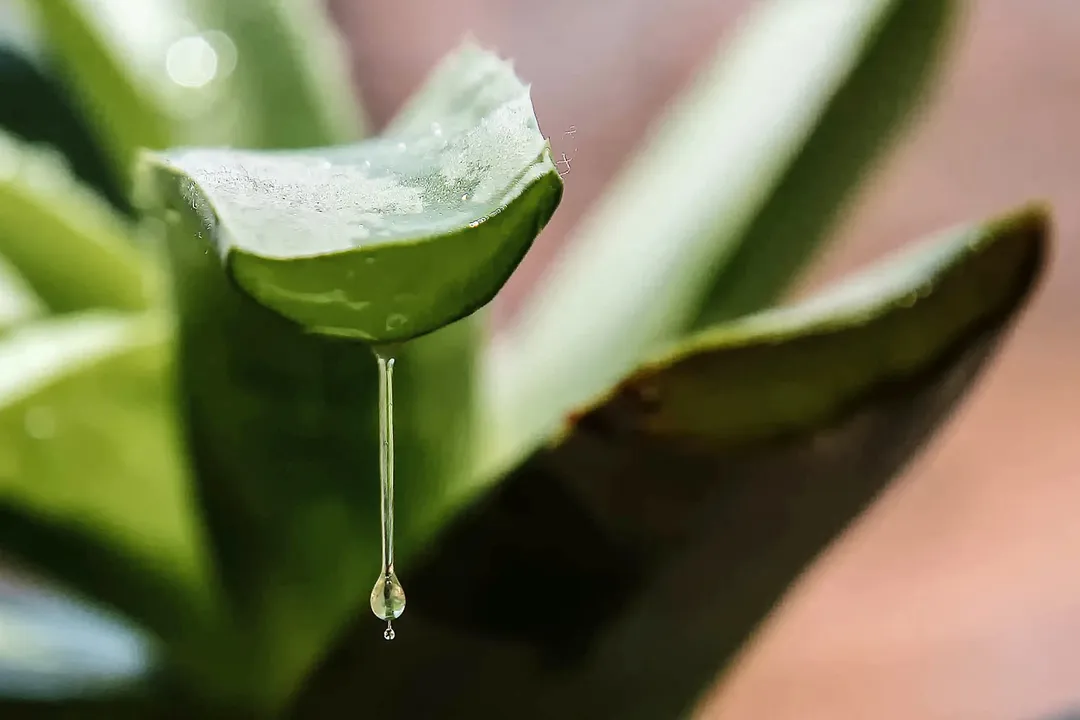
Aloe vera often finds its way into medicine cabinets and skincare routines, yet it is also a staple in some culinary traditions. When prepared with care, the clear gel found inside the leaves offers a specific set of potential benefits, particularly for digestive health and metabolic support. [3][6] While it is a popular ingredient in health tonics and smoothies, understanding how to safely handle the plant is essential, as the different parts of the leaf provide vastly different effects on the body. [1][6]
# Plant Anatomy
To understand the benefits and risks of consuming aloe vera, one must first recognize the structure of the leaf. The plant is composed of three main parts: the outer green rind, a thin layer of yellow latex beneath that skin, and the clear inner gel. [3][6] The gel is the portion commonly consumed for its nutritional value, while the latex contains compounds known as anthraquinones. [5] These latex compounds act as a potent laxative and are generally not recommended for regular consumption due to the risk of severe cramping and digestive irritation. [5][6] Distinguishing these layers is the most critical step in preparing the plant for consumption.
# Digestive Health
Many people incorporate aloe vera into their diet primarily for its potential impact on gut health. The clear gel contains specific enzymes that may assist in breaking down sugars and fats, which can help support a smoother digestive process. [6][8] Some individuals report that consuming small amounts of aloe gel helps alleviate symptoms of heartburn and acid reflux, potentially acting as a soothing agent for the digestive tract. [6]
However, the efficacy of aloe for these conditions is not universal. While the gel can be soothing, the presence of any residual yellow latex can produce the opposite of the intended effect, leading to diarrhea and stomach pain. [2][5] Because of this, those seeking digestive relief often opt for commercially processed aloe juice, where the latex has been carefully filtered out, rather than raw preparation at home. [6]

# Metabolic Support
Blood sugar management is another area where researchers have examined the potential impact of aloe vera. Several studies suggest that consistent intake of aloe supplements might assist in lowering fasting blood glucose levels in individuals with prediabetes or type 2 diabetes. [2][6] This effect is thought to be linked to specific bioactive compounds in the plant that may help improve insulin sensitivity and support better glycemic control. [6]
While these findings are promising, it is important to note that aloe vera should not replace prescribed medications for diabetes. Individuals using blood-lowering medication should consult with a healthcare professional before adding aloe to their routine, as the combined effect could potentially cause blood sugar to drop too low. [2]
# Nutritional Profile
The inner gel of the aloe vera plant is not just a source of hydration; it is packed with various beneficial nutrients. It contains a range of vitamins and minerals, including vitamins A, C, E, and B12, along with folic acid. [6][9] Additionally, the gel provides trace amounts of minerals like calcium, magnesium, zinc, and potassium. [9]
| Nutrient Group | Key Components Found in Aloe Gel |
|---|---|
| Vitamins | A, C, E, B12, Folic Acid |
| Minerals | Calcium, Magnesium, Zinc, Potassium |
| Enzymes | Amylase, Lipase (Aids digestion) |
| Antioxidants | Polyphenols (Protects cells) |
These nutrients contribute to the plant's reputation for general wellness, although it is important to remember that the concentration of these vitamins can vary depending on the growing conditions of the plant. [6]

# Preparation Guide
When preparing aloe vera at home, hygiene and technique are vital. Many people make the mistake of using too much of the leaf, which leads to the inclusion of the yellow latex. Follow these steps to maximize safety:
- Selection: Choose a healthy, mature leaf from a plant that has not been treated with pesticides. [3]
- Drainage: After cutting a leaf from the plant, place it upright in a container for about 10–15 minutes. This allows the yellow latex to drain out from the base, significantly reducing the risk of consuming it. [3]
- Filleting: Lay the leaf flat. Carefully trim off the spiky edges and the top green skin with a sharp knife.
- Extraction: Scoop out the clear gel. Avoid scraping too close to the green skin, as the latex resides right underneath.
- Rinsing: Once the gel cubes are removed, rinse them thoroughly under cold running water to remove any lingering residue.
A helpful tip for those new to the taste is to treat the gel as a neutral ingredient rather than a snack. It has a slightly bitter, bland profile that can be off-putting on its own. Blending the rinsed gel with fruits like pineapple, mango, or a squeeze of lime effectively masks the flavor and improves the overall mouthfeel. Chilling the gel for an hour before blending can also help if you find the raw texture slimy.
# Safety Warnings
While aloe vera has benefits, it is not suitable for everyone. The most common adverse effect is gastrointestinal distress, usually caused by the latex layer. [2][5] Long-term consumption of the latex can lead to electrolyte imbalances and potential interactions with various medications, particularly those for diabetes or heart conditions. [2][6]
Furthermore, some groups should avoid consuming it entirely. Pregnant or breastfeeding women should refrain from internal use of aloe vera, as there is insufficient data regarding its safety and a potential risk that it could trigger uterine contractions. [2] If you are preparing the plant at home, there is a risk of cross-contamination; using a clean, dedicated knife and cutting board for the gel helps ensure you are not accidentally incorporating latex particles into your final preparation. When in doubt, commercially prepared, latex-free aloe juice is the safer, more standardized option for those who want to avoid the risks associated with raw processing.
#Videos
The Health Benefits of Aloe Vera - Dr.Berg - YouTube
Related Questions
#Citations
Aloe vera: 9 health benefits - Medical News Today
Aloe Vera: Health Benefits, Common Uses, Side Effects, and Risks
How to Eat Raw Aloe: Safety, Uses, and More - Everyday Health
How to Use Aloe: 11 Benefits for Skin Care, Digestion and More
Evaluation of the Nutritional and Metabolic Effects of Aloe vera - NCBI
5 Healthy Benefits of Drinking Aloe Vera Juice - Healthline
Aloe Vera is not just for sunburns. Aloe Vera has many health ...
Benefits of Aloe Vera - Liv Hospital
Aloe Vera: Benefits, Uses, Dosage & Side-Effects | Holland & Barrett
The Health Benefits of Aloe Vera - Dr.Berg - YouTube