Can you eat aloe vera gel straight from the plant?
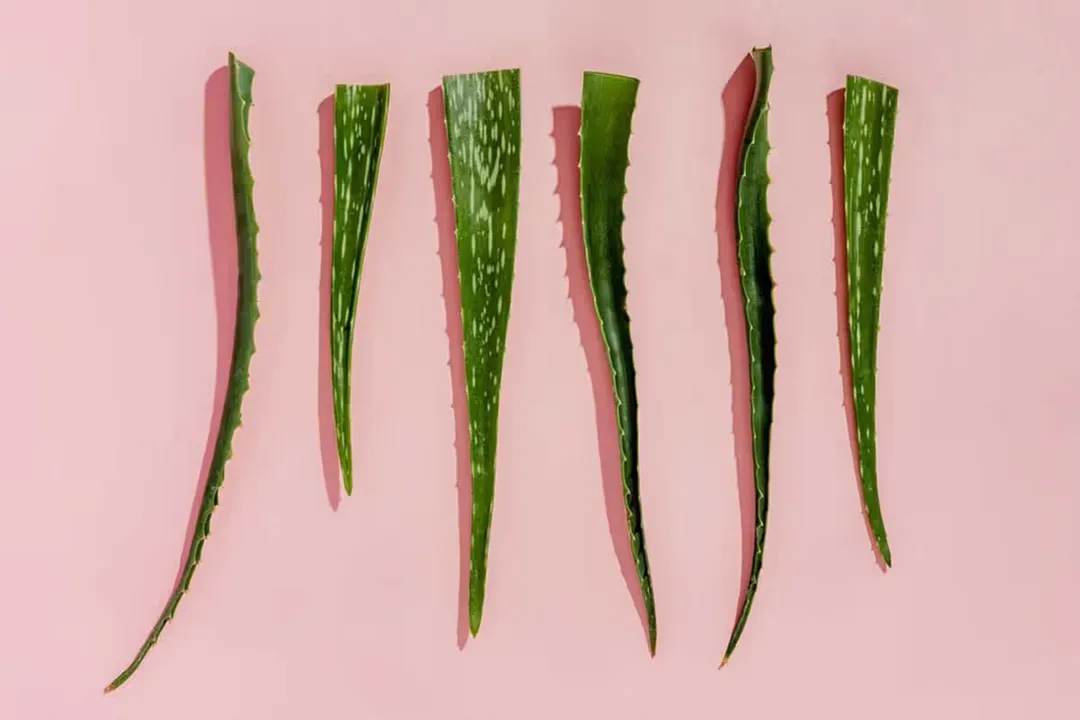
While many people keep aloe vera plants on their windowsills specifically for their soothing properties on burns and minor skin irritations, interest in consuming the gel internally has grown. It is technically possible to eat the gel found inside an aloe vera leaf, but it is not as simple as slicing off a piece and eating it raw. [1][6] Safety depends entirely on your ability to separate the clear, beneficial inner gel from the yellow latex found just beneath the plant's skin. [2][8]
If you do not remove that yellow layer correctly, you are likely to experience an unpleasant, and potentially harmful, reaction. [1] Understanding the anatomy of the leaf is the most critical step before considering consumption.
# Plant Anatomy
The aloe vera leaf is composed of three distinct layers, each serving a different purpose. Understanding these layers helps prevent common mistakes when preparing the plant for consumption.
| Leaf Layer | Edible? | Characteristics |
|---|---|---|
| Outer Skin | No | Thick, green, protective layer |
| Yellow Latex | No | Bitter yellow sap, potent laxative |
| Clear Gel | Yes | Jelly-like, mild flavor, nutrient-rich |
The yellow latex, also known as aloin, is what you must avoid. It contains compounds that act as a strong laxative, which can lead to cramping, diarrhea, and other gastrointestinal issues if ingested in any significant amount. [1][6] When you cut into a leaf, this liquid often oozes out, which is why proper preparation is non-negotiable. [2][4] The clear gel, however, is the part praised for its vitamins and minerals, provided it is properly cleaned of any latex residue. [10]
# Safe Preparation
Preparing aloe vera at home requires patience and precision. You cannot simply scoop out the gel and eat it immediately if you want to ensure the latex is fully removed.
The most effective method involves letting the leaf drain before you attempt to process it. Once you have harvested a leaf, stand it upright in a container, such as a cup or a glass, with the cut end facing downward. Allow it to sit for at least 10 to 15 minutes. This position uses gravity to draw the bitter, yellow latex out of the leaf and into the container, preventing it from contaminating the gel. [2]
After the leaf has drained, follow these steps to extract the edible portion:
- Wash the exterior: Thoroughly scrub the leaf under cool, running water to remove any dirt or debris clinging to the skin.
- Trim the edges: Use a sharp knife to slice off the spiky serrated edges on both sides of the leaf.
- Remove the skin: Lay the leaf flat on a cutting board and carefully peel away the top layer of skin with a knife or a vegetable peeler. Do this gently to avoid cutting into the gel deeply.
- Extract the gel: You will be left with a clear, jelly-like fillet. Use a spoon or knife to scoop or slice this gel away from the remaining bottom skin.
- Final Rinse: Once you have the clear cubes or chunks of gel, rinse them again under clean, running water. This removes any lingering yellow sap that may have smeared during the cutting process. [2][8]
Some people prefer to soak the cleaned gel cubes in water for a few minutes before use. This provides a final safety margin to ensure no trace of aloin remains, which significantly improves the taste by removing the bitterness. [2][5]
# Potential Risks
While the gel itself is generally considered safe for most people when prepared correctly, consuming it does carry risks that should not be overlooked. The primary concern is the presence of aloin. Even small amounts of this latex can cause severe stomach cramps and diarrhea. [1][6]
Furthermore, there is a lack of long-term research on the effects of consuming fresh aloe vera gel in large quantities. Excessive intake has been linked to potential issues with electrolyte imbalances, particularly potassium levels, which can be dangerous for individuals with underlying heart conditions. [10]
Certain groups of people should avoid consuming aloe vera entirely:
- Pregnant and breastfeeding individuals: There is evidence suggesting that aloe might stimulate uterine contractions, posing a risk during pregnancy. [1][6]
- Those with digestive disorders: People suffering from conditions like Crohn's disease, ulcerative colitis, or bowel obstruction may find that the compounds in aloe aggravate their symptoms. [1]
- Individuals on medication: Aloe can interact with various drugs, including diuretics, diabetes medications, and corticosteroids. Because it acts as a laxative, it may decrease the absorption of other oral medications. [1][10]
If you are currently taking any prescription medication, it is safer to consult with a healthcare professional before adding fresh aloe vera to your diet. [10] It is not just about the safety of the plant; it is about how it interacts with the specific chemistry of your body.
# Culinary Uses
Once you have successfully prepared the clear, clean gel, it can be incorporated into various recipes. On its own, raw aloe vera gel is quite flavorless and has a slimy, viscous texture that many find off-putting. The goal in culinary applications is usually to mask the texture or blend it into drinks where the consistency is less noticeable. [8]
Smoothies are perhaps the most common way to consume fresh aloe. Because the gel is essentially flavorless, it pairs well with strong-tasting fruits like pineapple, mango, or citrus. Blending the gel creates a smoother texture that is much more palatable than eating the chunks raw. [2][4]
Some people also add it to juices or infused waters. The key is to blend it thoroughly so that the gel breaks down completely, preventing large, jelly-like clumps from forming in your beverage. Because it is highly perishable, you should use the gel immediately after extraction. If you must store it, keep it in an airtight container in the refrigerator, though it is best consumed within 24 to 48 hours, as it oxidizes quickly and loses freshness. [2][8]
# Species Identification
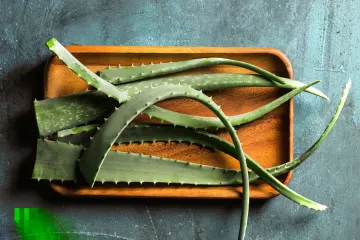
One critical, often overlooked detail is that not all aloe plants are the same. When people talk about "eating aloe vera," they are referring specifically to Aloe barbadensis miller. This is the species most commonly found in garden centers and sold for skincare.
However, there are hundreds of species of aloe, and some ornamental varieties are not suitable for consumption. Some ornamental aloes are strictly decorative and may have different chemical compositions that could cause toxicity. [10] Before harvesting from your own plant, ensure you have correctly identified it as Aloe vera. If you are unsure about the species, do not eat it. It is safer to purchase food-grade aloe products from a store, which are processed specifically for human consumption and have had the latex rigorously removed. [2][6]
# Quality Check
To help you decide if a leaf is ready for preparation or if it should be discarded, you can use a quick mental checklist. If a leaf is thin, shriveled, or has brown, soft spots, it is likely past its prime. High-quality leaves for consumption should be firm, plump, and bright green.
Another factor is the age of the plant. A younger, smaller plant often lacks the dense gel accumulation of a mature plant. If you are harvesting from your own collection, wait until the plant is at least two to three years old. This ensures that the leaves have had enough time to develop a thick, healthy gel content, making the effort of peeling and cleaning worthwhile. [4]

# Dietary Considerations
When considering the addition of aloe vera to your diet, think of it as a supplement rather than a food staple. It is not something you should consume in large servings daily. Most anecdotal advice and general guidance suggest starting with very small amounts—perhaps a teaspoon or two mixed into a smoothie—to see how your digestive system reacts. [3][5]
Tracking your reaction is vital. Since everyone's tolerance for natural laxatives varies, what causes no issue for one person might cause significant discomfort for another. By starting small, you can gauge your body’s response without risking an adverse reaction.
If you find that the process of growing, cleaning, and preparing the plant is too time-consuming or leaves you anxious about potential contamination with latex, there is no shame in sticking to commercially processed aloe juice or gel. Manufacturers of these products have specialized equipment to separate the latex from the gel, which is something very difficult to replicate perfectly at home. [6][8]
Ultimately, while the internet is filled with trends promoting the health benefits of eating aloe, the primary takeaway is caution. The plant is indeed edible, but the biological mechanism that makes it great for skin—the chemical composition of its sap—is the exact same reason it is potentially harsh on your digestive tract. Respecting the plant's anatomy and following careful preparation protocols is the only way to navigate this safely. [1][2]
#Videos
How to eat Aloe Vera - YouTube
Related Questions
#Citations
Can You Eat Aloe Vera? - Healthline
How to Eat Raw Aloe: Safety, Uses, and More - Everyday Health
Does anyone use Aloe Vera gel (directly from plant ... - Reddit
How to eat Aloe Vera - YouTube
Can I eat aloe vera gel directly from the plant? - Quora
Can You Eat Aloe Vera? All About Aloe Vera Juice, Aloe Vera Gel ...
Hi all, can I eat the gel of this aloe or should I just use it topically?
Can You Eat Aloe Vera? - Allrecipes
Bet you didn't know you could eat aloe raw Most people ... - Instagram
Aloe Vera: Benefits, Uses, Dosage & Side-Effects | Holland & Barrett