Is aloe vera safe during pregnancy?

Natural remedies often feel like the safest choice during pregnancy, yet a product being natural does not automatically equate to it being harmless for an expectant parent. [2] Aloe vera, a staple in many households for skincare and wellness, falls into a category of items that require a more nuanced approach when expecting. [2] While millions of people rely on this plant for skin hydration and digestive soothing, pregnancy alters how the body metabolizes and reacts to various substances. [7] Understanding where this plant fits into a prenatal regimen requires distinguishing between external application and internal consumption.
# Topical Use
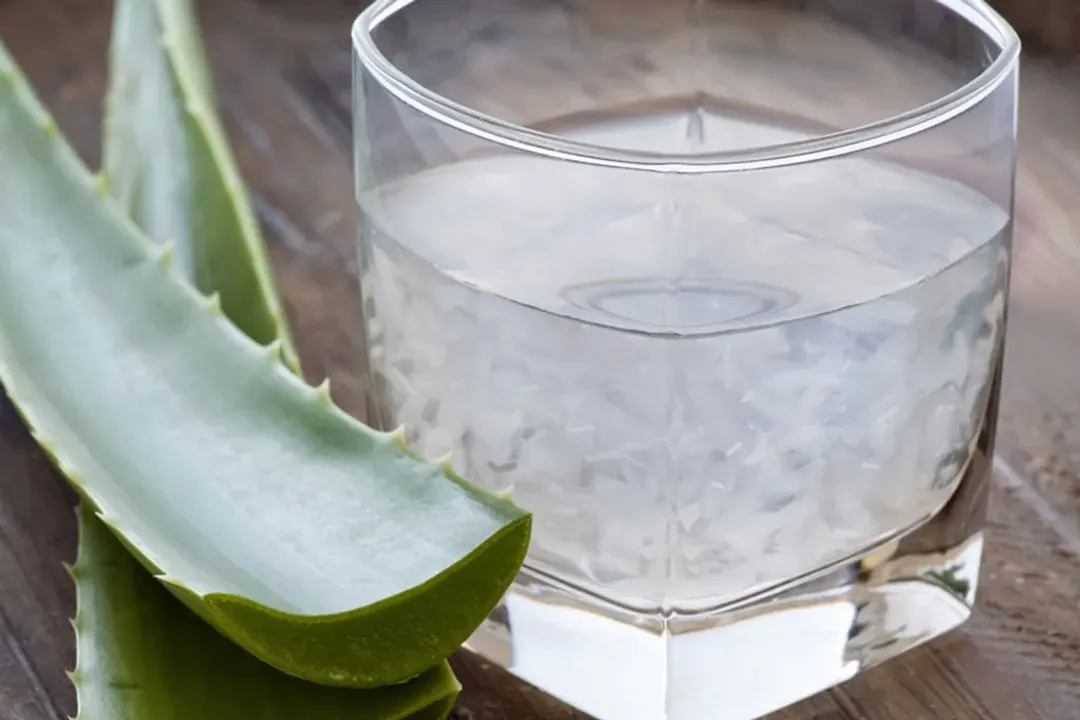
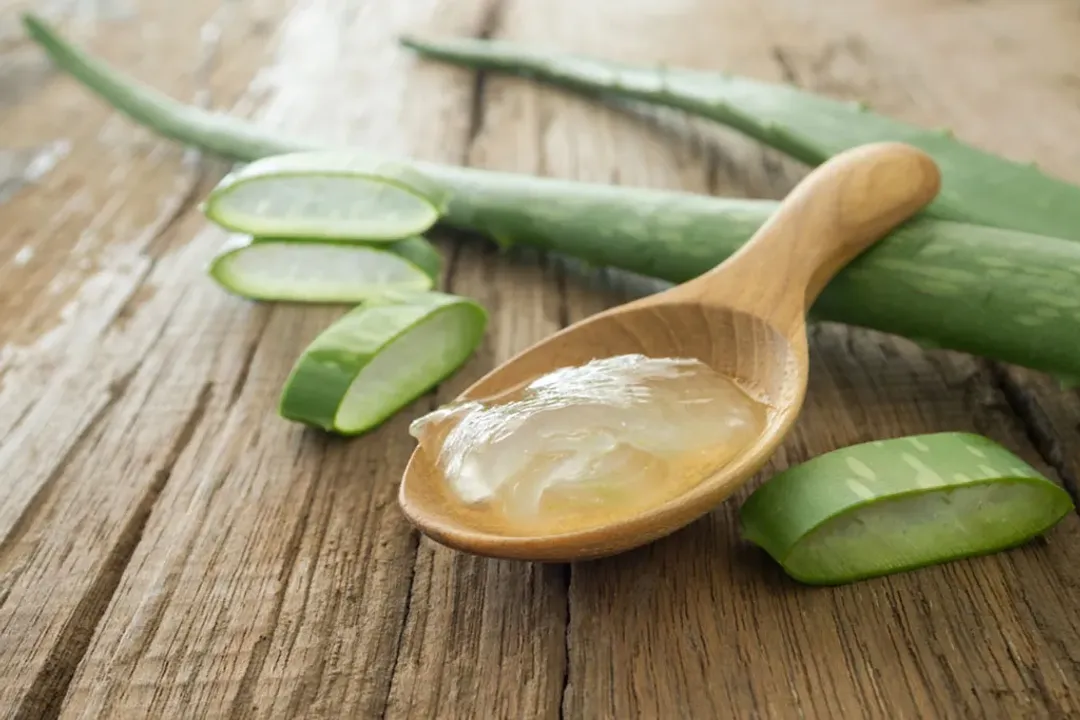
When it comes to applying aloe vera directly to the skin, the general medical consensus leans toward it being safe. [3] Most healthcare providers and dermatologists do not raise concerns about using pure aloe vera gel on the skin to soothe dryness, irritation, or itching during pregnancy. [9] The plant is well-regarded for its moisturizing properties, and it is a common ingredient in many lotions, stretch mark creams, and gels. [2]
The safety profile for topical use remains high because the body does not absorb a significant amount of the plant's compounds into the bloodstream through the skin barrier. [3] However, as with any skincare product during these months, the quality of the product matters. While the aloe vera plant itself is often deemed safe for external use, some commercial formulations contain additives, preservatives, or fragrances that could cause irritation or allergic reactions in individuals whose skin has become more sensitive due to hormonal changes. [3] A simple patch test on a small area of the inner arm can help determine if a specific product will cause a reaction before applying it to larger areas like the abdomen or legs. [9]
# Oral Consumption

The situation changes drastically when considering the ingestion of aloe vera, such as in juices, supplements, or tablets. Medical professionals and pregnancy experts consistently advise against consuming aloe vera during pregnancy. [1][5][6] Unlike topical applications, internal consumption introduces the plant’s chemical compounds directly into the digestive system, where they can be absorbed into the bloodstream and potentially impact the pregnancy. [7]
One of the primary reasons for this caution is the presence of anthraquinones, specifically aloin, which is found in the latex of the aloe plant. [10] This substance is a strong laxative. During pregnancy, any substance that causes significant gastrointestinal distress or acts as a potent laxative can be problematic. [5][7] The concern is not merely limited to the discomfort of diarrhea or cramping; the dehydration and electrolyte imbalances that often accompany digestive distress can pose risks to the mother and the developing fetus. [1][6]

# Uterine Contractions
Perhaps the most significant concern regarding the ingestion of aloe vera is its reported potential to stimulate the uterus. [1] Certain components within aloe vera are believed to trigger uterine contractions. [7][10] Contractions during pregnancy, particularly in the earlier stages or before the final weeks of gestation, are generally something to be avoided, as they can lead to complications or increase the risk of preterm labor. [1]
The scientific data on this specific effect in humans is somewhat limited because ethical standards prevent researchers from conducting controlled trials on pregnant women to test for potential abortifacient effects. [2][3] However, because of the known mechanisms of aloe vera as a stimulant laxative, the potential for it to cross-react with the pelvic area and induce contractions is a risk that medical professionals are not willing to ignore. [7] When a substance has the potential to trigger contractions, the standard medical advice is to avoid it entirely to ensure the safety of the pregnancy. [1][5]
# Safety Comparison
| Usage Type | Safety Profile | Primary Concern |
|---|---|---|
| Topical (Gel) | Usually Considered Safe | Additives/fragrances, allergic reaction |
| Oral (Juice/Capsule) | Not Recommended | Uterine stimulation, laxative effects |

# Ingredient Labels
Navigating skincare and health aisles during pregnancy requires a heightened level of awareness. Because regulatory bodies do not always demand strict standardization for "natural" health products, a bottle labeled as "pure aloe vera" might actually contain other plant extracts or active compounds that are not pregnancy-safe. [8] It is not enough to simply see the word "aloe" on the front of the bottle; reading the back label is necessary for every product brought into the home.
When evaluating a product, look specifically for terms related to the processing of the aloe. Products that specify "inner leaf" or "purified gel" are often processed to remove the latex and anthraquinones that cause the primary health concerns. [10] Conversely, products that do not specify the processing method, or those that contain whole-leaf extract, carry a higher risk of containing the compounds associated with laxative effects and uterine stimulation. [1][10] If a product contains a long list of additional herbs or "proprietary blends," it is generally safer to choose a different option during these months. [6]
# Expert Guidance
The decision to use or avoid any specific product should always be discussed with a midwife or obstetrician. Every pregnancy is unique, and individual medical histories can influence how a person might react to certain substances. [6] If a person has been using an aloe-based product for years without issue, they might wonder why they need to change their habits now. The answer lies in the shift in physiological needs and safety thresholds that pregnancy dictates. [2]
It is helpful to bring specific product names or ingredient lists to prenatal appointments. A healthcare provider can review the exact formulation and offer advice based on the specific brand, rather than giving a blanket statement about the plant in general. Often, providers may suggest alternatives that are known to be safer, such as pure cocoa butter or plain coconut oil, which provide similar moisturizing benefits without the associated concerns of aloe vera extracts. [3]

# Potential Risks
It is worth noting that the body often becomes more reactive during pregnancy. Conditions that might have been manageable before, such as mild constipation or skin sensitivity, may require different approaches when pregnant. [4] Relying on over-the-counter natural remedies can sometimes mask symptoms that a doctor should evaluate. For instance, if an individual is tempted to drink aloe vera juice to help with pregnancy-related constipation, it is better to discuss this with a doctor first. [10] There are many pregnancy-safe ways to manage digestive issues—such as increased water intake, fiber adjustments, and specific prenatal-approved probiotics—that do not carry the risks associated with aloe vera. [5]
Avoiding aloe vera ingestion is a simple, low-risk way to eliminate one potential source of harm during pregnancy. [1] By focusing on topical-only use and choosing products with clean ingredient lists, it is possible to maintain a skincare routine that feels natural and effective without compromising the safety of the pregnancy. [8] When in doubt, the most prudent course of action is to stick to products that have a well-established safety record for expectant parents, prioritizing clear ingredient transparency above all else. [9]
Related Questions
#Citations
Drinking Aloe Vera During Pregnancy – Safety, Benefits & Risks
Aloe Vera and Pregnancy: A natural care for a unique journey
Aloe Vera Gel: Incompatible with Pregnancy? - Typology
Aloe Vera juice during pregnancy : r/pregnant - Reddit
Separating Myths from Truths About Certain Fruits in Pregnancy
Benefits of Drinking Aloe Vera While Pregnant: What to Expect
Aloe vera is not safe in pregnancy
Why We Don't Use Aloe Vera In Our Skincare - Bohemian Skin
Skincare While Pregnant: What Products Are Safe? - The Skin Institute
Taking Aloe Vera Juice While Pregnant - Uses & Benefits