What is the primary role of stagnant water in the context of kitchen hygiene and cleaning tools?
Answer
It provides the essential moisture required for bacteria to survive and reproduce.
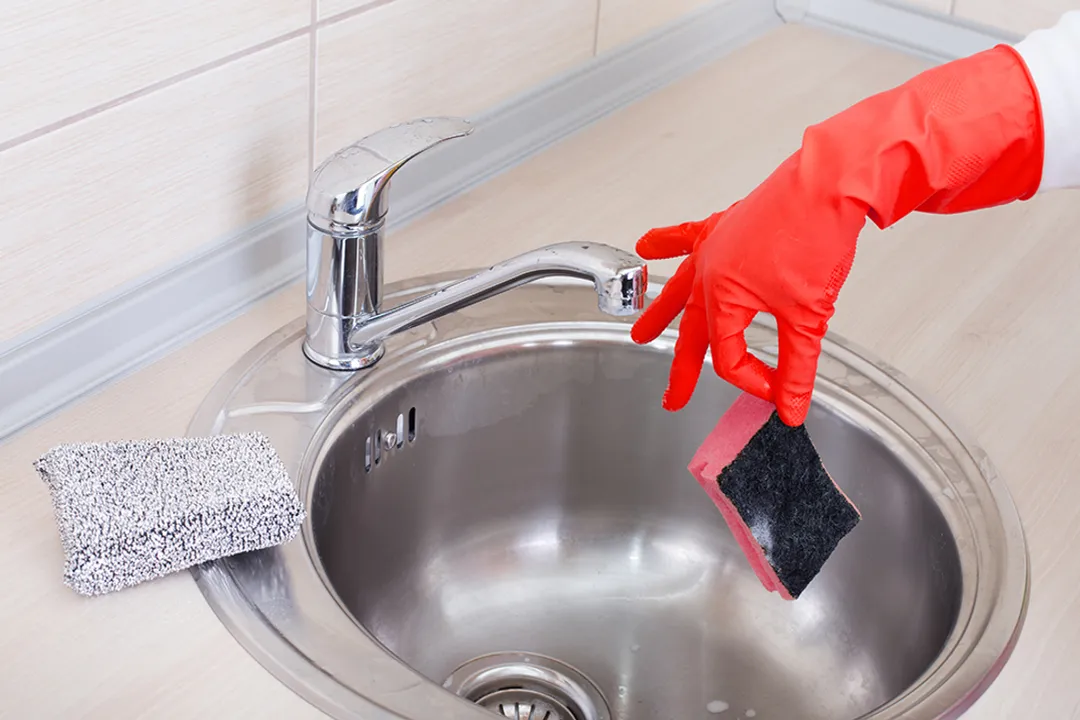
Moisture is the single most critical factor for bacterial survival and reproduction in the kitchen environment. Bacteria require hydration to undergo metabolic processes and replicate. When a cleaning tool, such as a sponge, is left sitting in a pool of water at the bottom of a sink, it provides the perfect reservoir for microbial proliferation. This stagnant water creates a continuous supply of hydration that allows colonies to expand rapidly. Managing this by ensuring tools are stored to allow for drainage and airflow is crucial for keeping microbial counts low.
#Videos
How Dirty Is Your Kitchen Sponge? | Talking Point | Full Episode
Related Questions
What specific structural feature makes a standard kitchen sponge an ideal incubator for rapid microbial replication?Which specific genera of bacteria are frequently identified within the microbial communities inhabiting kitchen sponges?Why does microwaving a kitchen sponge often fail to effectively sanitize it and potentially worsen the situation?What is the most reliable schedule for replacing a kitchen sponge to maintain household hygiene?Why are silicone scrubbers considered a more sanitary cleaning tool than traditional cellulose sponges?What is the primary role of stagnant water in the context of kitchen hygiene and cleaning tools?What makes the dishwasher an imperfect solution for sanitizing a standard kitchen sponge?Why is the use of kitchen brushes often recommended over sponges to prevent bio-sludge buildup?What is a major financial and hygiene benefit of switching to durable alternatives like silicone brushes or reusable cloths?How can one modify storage habits to minimize bacterial growth in a sponge without discarding it prematurely?