Can I buy food with my Healthy Benefits Plus card?
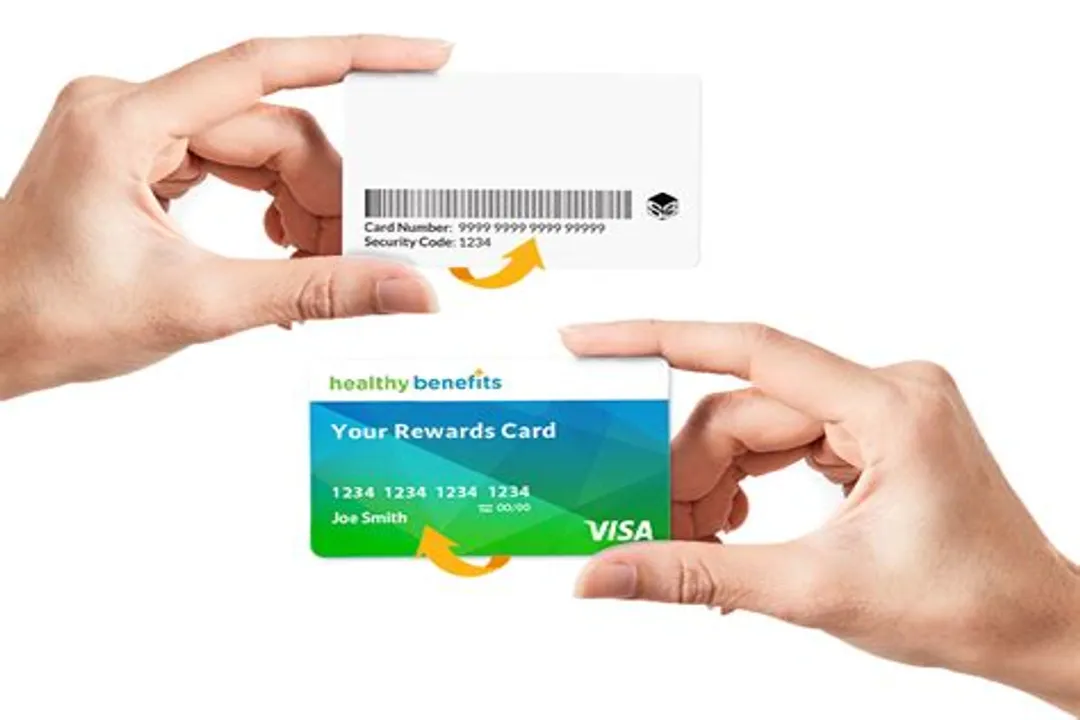
Understanding whether your Healthy Benefits Plus card functions like standard cash for groceries is a common query, especially since these cards are tied to specific health plan allowances meant to support well-being through nutrition. [5] The short answer is generally yes, you can buy certain foods, but the acceptance is highly dependent on the specific health plan you are enrolled in and the type of food item you intend to purchase. [1][5] These funds are typically part of supplemental benefits provided to members of certain Medicare Advantage (MA) or Special Needs Plans (SNP) to help cover costs for eligible groceries. [4][7]
# Benefit Types
The core function of the Healthy Benefits Plus program is to provide access to specified goods, which often center around food and sometimes over-the-counter (OTC) items. [9] The program generally covers healthy food items. [1] This usually translates to staples that form the basis of a nutritious diet: things like fresh produce, dairy products, certain meats, and whole grains. [1] It is essential to recognize that these benefits are not a blanket grocery allowance; they are restricted to items deemed eligible by your specific insurance carrier. [5]
# Plan Variations
The rules governing exactly what you can buy and where you can buy it are not uniform across all users. Since Healthy Benefits Plus administers benefits for several major insurance providers, the particulars shift depending on your enrollment. [2]
For members enrolled with UCare, the Healthy Benefits Plus Visa card is specifically designated for purchasing approved food items. [4] Similarly, if you are part of Caresource's MyCare SNP, these enhanced benefits are intended to be spent on groceries that meet the established eligibility criteria. [7]
When dealing with major carriers like UnitedHealthcare (UHG) or Humana, the structure remains similar, but verification often requires consulting plan-specific resources. [2][3] For example, Humana members often have access to a dedicated store finder tool that helps pinpoint where the card will be accepted for eligible purchases. [3] Always cross-reference your member handbook or contact your plan directly if you have any doubt about whether a particular food category is covered under your benefit package. [5]
# Where Acceptance Occurs
Unlike a general-purpose debit card, the HBP card must be used at merchants whose systems recognize the transaction as eligible under the supplemental benefit guidelines. [5] The card operates as a Visa or Mastercard at the point of sale, which allows it to be used in most standard retail environments, provided the retailer is approved or the items scanned fall within the approved food list. [4][5]
You can find specific retailers that participate. For example, certain grocery chains, such as Super 1 Foods, have publicly stated their acceptance of the Healthy Benefits Card. [6] Furthermore, large retailers like Sam's Club provide documentation outlining how food benefits associated with these types of cards can be applied to purchases. [9] If you are unsure about a particular supermarket, checking the official store finder provided by your plan administrator, such as the one available for Humana members, is a necessary step before you shop. [3]
A useful rule of thumb for readers who shop online is to check the merchant's primary categorization code (MCC) before hitting 'purchase.' If the transaction codes as general merchandise or a restaurant rather than a grocery store, the transaction will likely be declined, even if you are buying an approved item from that vendor's website.
# Items Off-Limits
While the card is intended to boost access to healthy food, there are clear exclusions that apply across the board to maintain the program's integrity and focus. [5] You cannot use the card to purchase items such as alcohol or tobacco products. [1][5] Furthermore, non-food grocery items—think paper towels, cleaning supplies, personal care products, or pharmacy items not explicitly listed as OTC benefits—are typically ineligible for payment with these funds. [1][5] Another common restriction involves prepared foods; meals that are hot or ready-to-eat from a deli or restaurant section are generally disallowed, as the benefit focuses on groceries you prepare at home. [1]

# Verification and Spending Strategy
Navigating these benefits successfully requires proactive verification. The FMI blog highlights that there are crucial things to know about these cards, and understanding the rules upfront prevents frustrating declines at checkout. [8] Do not assume a card works everywhere; always verify the merchant is set up to accept the specific food benefit designation. [5]
Since these cards often operate on a fixed monthly allowance that resets, make it a habit to review your remaining balance before a major shopping trip. Unlike a traditional debit card where overspending is just a bank fee, overspending here means foregoing necessary groceries later in the month, as the system will simply reject the transaction at the register.
# Card Usage Tips
To maximize your benefit, keep these practical steps in mind:
- Check the Store: Before visiting a new or unfamiliar store, consult your plan’s official store locator if one is provided (like the Humana finder). [3]
- Separate Transactions: If you are buying both eligible food items and ineligible items (like cleaning supplies) in the same order, try to separate them into two distinct transactions if the point-of-sale system allows. Sometimes, running the eligible food items first can ensure those charges go through before the system flags the entire basket as containing non-covered goods.
- Balance Awareness: Always monitor your balance closely [Self-Generated Insight]. If you are near the limit for the month, prioritize perishable goods or staples you use daily, saving non-perishables for the next benefit cycle.
In summary, the Healthy Benefits Plus card is a powerful tool for purchasing nutritious foods, provided the user adheres strictly to their plan’s eligibility list and retailer network. [1][4][7]
Related Questions
#Citations
2020 Special Food Credits
Healthy Benefits+ Visa Card | Easily Use Your Benefits
Healthy Benefits+
Proudly Accepting Healthy Benefit Cards
Top Five Things to Know about Healthy Benefits Cards
Food & OTC Benefits