Should I go to the ER for a spider bite?
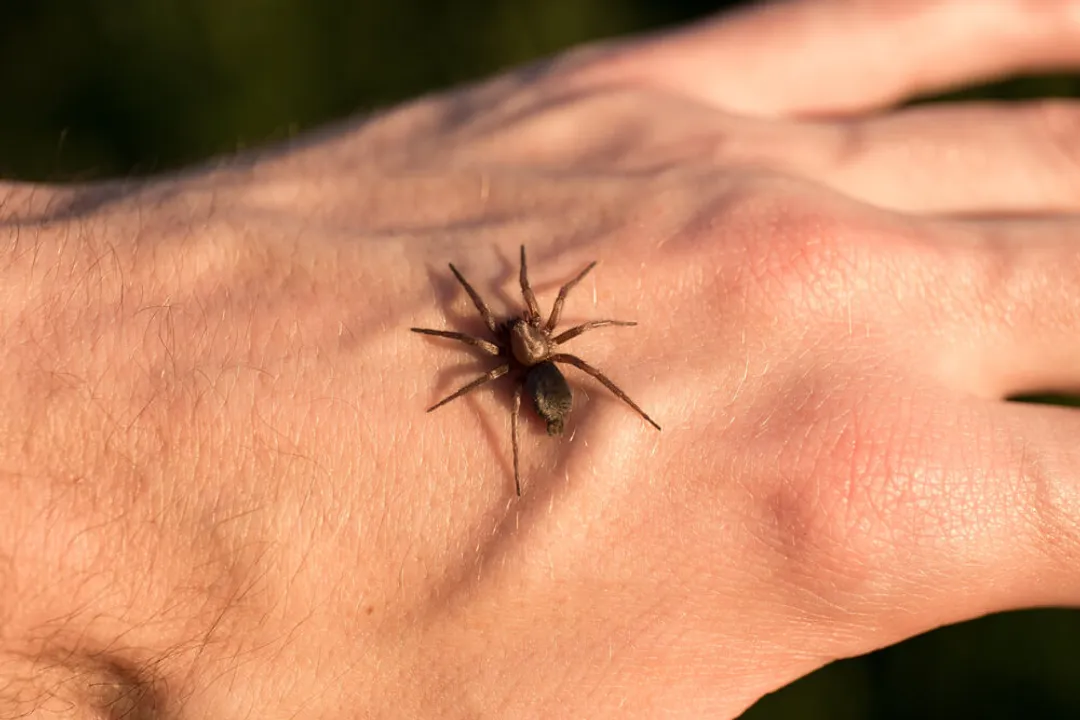
A seemingly minor prick or bite on the skin can quickly escalate into a source of significant worry, especially when the culprit might be one of the hundreds of spider species lurking in homes or gardens. For most people, a spider bite results in little more than temporary, mild irritation, akin to a bee sting or mosquito bite. [6][7] However, the anxiety often stems from the unknown: Was it venomous? Am I going to need stitches? Should I interrupt my day and head straight to the emergency room? Navigating this decision requires knowing the typical outcomes versus the rare, severe reactions that demand immediate professional intervention. [1][3]
# Local Reactions
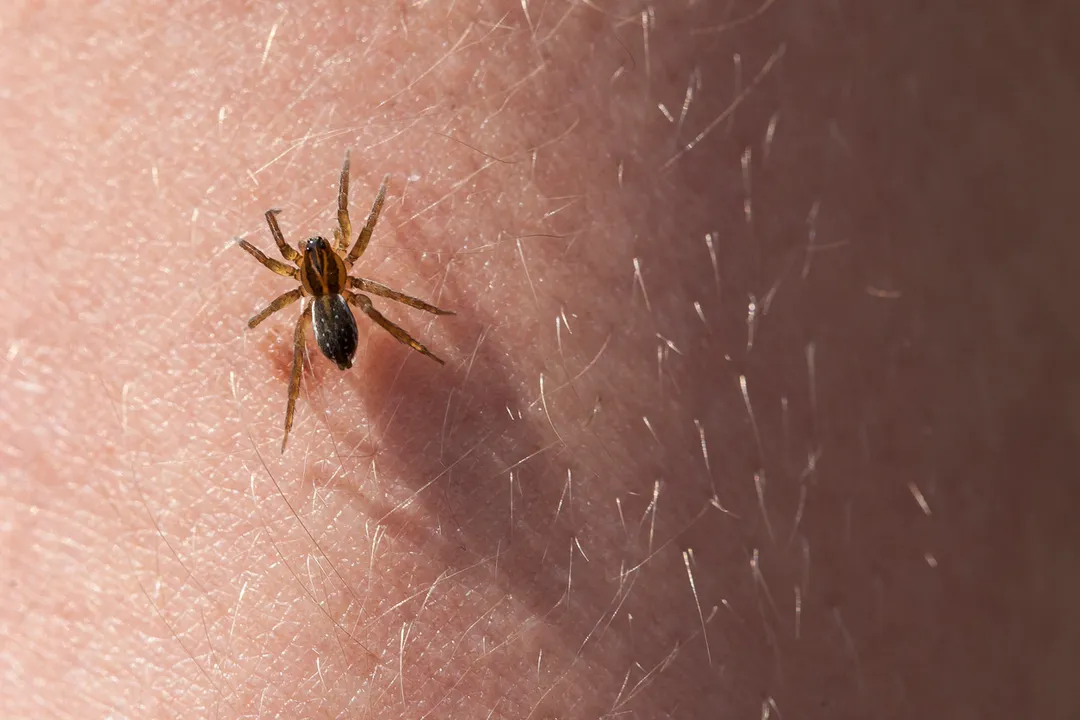
The vast majority of spider encounters in North America involve non-dangerous species whose bites cause only minor, localized irritation. [6] Often, people mistake bites from other insects, like fleas or mosquitoes, for spider bites, or they react strongly to an otherwise harmless bite. [5]
When a reaction does occur, it usually presents as mild redness, slight swelling, and minor pain at the bite site. [6] These symptoms are generally manageable at home. Immediate first aid involves cleaning the area thoroughly with soap and water. [7] Applying a cool compress, such as ice wrapped in a cloth, can help reduce swelling and manage discomfort. [4][7] Over-the-counter pain relievers, like acetaminophen or ibuprofen, can address any mild pain, while antihistamines might help control localized itching. [4][7] Keeping the area elevated, if possible, can also assist in minimizing swelling. [7]
If the site is itchy, resisting the urge to scratch is important to prevent secondary bacterial infection, which can complicate the healing process. [4] For some, a topical corticosteroid cream can be effective for managing persistent inflammation and itching. [4]
# Systemic Symptoms

The crucial turning point in deciding whether a bite warrants professional attention moves beyond simple skin irritation and into the realm of systemic symptoms—those that affect the entire body. [1] While rare, certain spiders possess venom potent enough to cause body-wide distress. [6]
If you experience muscle pain, cramping, or stiffness starting hours or a day after the bite, this signals a need to seek medical care, although perhaps not an immediate ER visit unless symptoms are severe. [1][6] Other systemic signs that push the situation out of the realm of simple home care include nausea, vomiting, generalized body aches, or unusual sweating. [1][6] These symptoms suggest the venom is having a broader effect than just the immediate bite area.
If these systemic symptoms are mild but persistent, an appointment with your primary care physician or a visit to an urgent care center is generally the appropriate next step. [5][7] Urgent care centers are well-equipped to assess the situation, determine if specific medication is needed, and manage symptoms that are concerning but not immediately life-threatening. [5][8]

# Dangerous Species
In the United States, most bites come from spiders that are medically insignificant to healthy adults. [6] The genuine concern revolves around two primary groups whose bites require prompt medical evaluation: the Black Widow and the Brown Recluse. [6][1] Knowing the difference in presentation can guide your decision-making.
# Widow Identification
Black widow spiders are recognizable by the shiny black body and the distinct red or orange hourglass marking on their underside. [6] The initial bite might feel like a pinprick or may not be noticed at all. [1] However, within about 30 minutes to an hour, severe symptoms often begin, including sharp, radiating pain that can spread beyond the bite site. [1][6] Systemic muscle cramping, abdominal pain, and sometimes elevated blood pressure are classic signs of a black widow envenomation. [6]
# Recluse Identification
Brown recluse spiders are often identified by the dark violin or fiddle shape on their back, though this marking can sometimes be faint. [6] Their bites are typically less painful initially than a widow bite. [4] The danger with a recluse bite is the potential for localized tissue damage, known as necrosis. [6] This usually presents as a small blister or pimple that may turn blue or purple, eventually developing into an open ulcerated sore. [4][6] While this tissue destruction takes time, any bite site that appears unusually dark, discolored, or begins forming a deep lesion warrants urgent medical review to prevent further localized tissue loss. [1]
If you suspect you have been bitten by one of these two species, or if you managed to safely capture the spider for identification, having that information ready for your healthcare provider is extremely helpful, though treatment should never be delayed waiting for confirmation. [2]
# ER Threshold Signals
Deciding between the ER and urgent care hinges on the severity and stability of the patient's condition. The Emergency Room is reserved for true medical emergencies—situations where life, limb, or major organ function is immediately threatened. [3]
For spider bites, the ER is necessary when signs of a severe allergic reaction (anaphylaxis) or severe systemic envenomation are present. [3][5]
Key indicators that mandate an immediate trip to the Emergency Room include:
- Difficulty Breathing or Swallowing: Any sign of throat tightness, wheezing, or severe shortness of breath is a medical emergency, pointing toward a serious allergic reaction. [3][6]
- Widespread Rash or Hives: A rash that spreads rapidly across the body, especially when accompanied by dizziness or fainting, requires immediate intervention. [3]
- Severe, Uncontrolled Pain: Pain that is excruciating, relentless, and not managed by standard home care or over-the-counter medication suggests a significant envenomation that may require prescription pain management or specific antivenom, if available and indicated. [1][6]
- Signs of Necrosis Progression: If the local reaction site develops a large, deep, spreading ulcer, or if signs of significant infection—such as spreading red streaks, high fever, or chills—accompany the bite, the ER is the correct destination for immediate deep wound care and potential hospitalization. [1][5]
- Systemic Collapse: Signs such as severe dizziness, fainting, confusion, or seizure activity are red flags demanding immediate resuscitation and stabilization efforts only available in an emergency setting. [3]
When assessing the situation, one useful mental metric is how quickly the symptoms are progressing. A localized bump that slowly turns red over 24 hours leans toward urgent care or a doctor’s visit, whereas symptoms that begin intensifying rapidly within the first hour or two often necessitate the ER. [1]
# Differentiating Care Settings
It is important to understand that urgent care facilities and emergency departments serve different primary functions, even though both can treat bites. [8] Urgent care is designed for acute, non-life-threatening issues that need attention faster than a primary care appointment allows. [5] This is the perfect intermediate stop for a bite that is concerning—say, causing moderate pain or exhibiting moderate swelling that isn't improving with home measures—but where the patient remains otherwise stable. [8] They can clean wounds, prescribe antibiotics for secondary infection, and offer initial anti-venom consideration if the spider is locally notorious and symptoms are escalating but stable. [5]
The ER, conversely, is equipped for stabilization and advanced life support. If you are uncertain about the severity, prioritizing going to the nearest emergency department is the safer choice; they can always redirect stable patients to lower-acuity care, but waiting too long when an ER visit is needed can have severe consequences. [3]
For instance, if you are in a region where Black Widows are common and you develop significant cramping an hour after a known bite, even without breathing trouble, the ER might be more appropriate than urgent care due to the rapid onset and systemic nature of the potential envenomation. [6] In contrast, if a bite site on your ankle is painful and swollen three days later, showing clear signs of a localized bacterial infection (like warmth and pus), an urgent care visit is likely sufficient for obtaining necessary antibiotics. [5][8]
A helpful way to visualize the decision path, assuming you are otherwise healthy, is to plot the potential severity against the speed of onset:
| Symptom Type | Onset Speed | Recommended Care Site |
|---|---|---|
| Mild redness, itch, small bump | Immediate/Slow | Home Care [7] |
| Moderate pain, localized swelling, mild systemic aches | Within a few hours | Urgent Care or PCP [5][7] |
| Severe muscle cramping, abdominal pain, spreading redness | Rapid (under 1 hour) | Emergency Room [1][6] |
| Difficulty breathing, dizziness, spreading rash | Any speed | Emergency Room [3][5] |
| Deep, rapidly enlarging ulcer/necrosis | Slow to moderate | Emergency Room [1][5] |
This framework highlights that rapid, severe systemic involvement should immediately bypass the urgent care line, whereas localized, non-improving symptoms are appropriate for the lower-acuity setting. [5][8]
# Information Gathering
When seeking professional help, whether urgent or emergency, being prepared can significantly speed up the diagnostic and treatment process. While time is often critical for severe reactions, gathering specific details about the event and the bite area helps clinicians make the best judgment call.
One highly valuable piece of information for a medical professional is an accurate visual record of the bite site, if possible. If you can safely snap a clear, close-up photo of the bite area before applying heavy medication or wrapping it tightly, this visual evidence can be extremely helpful to a doctor who may not see the bite at its earliest stage. [2] This is especially true when trying to differentiate between a reaction to a Brown Recluse versus a staph infection, where the pattern of initial skin change is key. Another actionable tip is to try to identify the spider without putting yourself at risk. If the spider is still present, do not provoke it. However, if it is found deceased nearby, safely securing it in a sealed container or taking a high-quality photo for visual identification by a medical expert can confirm or rule out dangerous species quickly. [2] This photographic evidence, combined with a timeline of symptom development, forms the backbone of an efficient consultation.
In sum, while most spider bites can be managed with simple wound care and observation at home, the presence of progressive, spreading, or severe systemic symptoms—particularly breathing difficulty or uncontrolled pain—is the clear signal that your destination should be the emergency room. For everything in between, urgent care provides a necessary step up from home treatment without requiring the resources tied up at the ER. [5][8]
Related Questions
#Citations
When to Worry About a Spider Bite and When ... - Healthline
Spider bites - Diagnosis & treatment
When to Seek Emergency Care for a Bug Bite
8 Signs a Spider Bite Needs Treatment (With Images)
Urgent Care for a Spider Bite
Spider Bites: Symptoms & Treatment
How to treat spider bites and when you need to see your ...
Should I Go to Urgent Care for a Spider Bite?