Which class of medication is prioritized during an active, non-obstructive FIC flare to manage the cat’s discomfort?
Answer
Analgesics, such as butorphanol or buprenorphine.
The immediate goal during an acute FIC episode is managing the significant pain the cat is experiencing due to inflammation deep within the bladder wall. Analgesics, which are pain relievers, are the frontline pharmacological treatment for this purpose. Specific examples mentioned include butorphanol or buprenorphine. Furthermore, medications targeting neuropathic pain, such as gabapentin, may also be employed. Conversely, antibiotics are generally withheld since the condition is sterile, and the use of certain muscle relaxants previously used to control spasms is now approached with caution due to potential risks regarding recurrent obstruction.
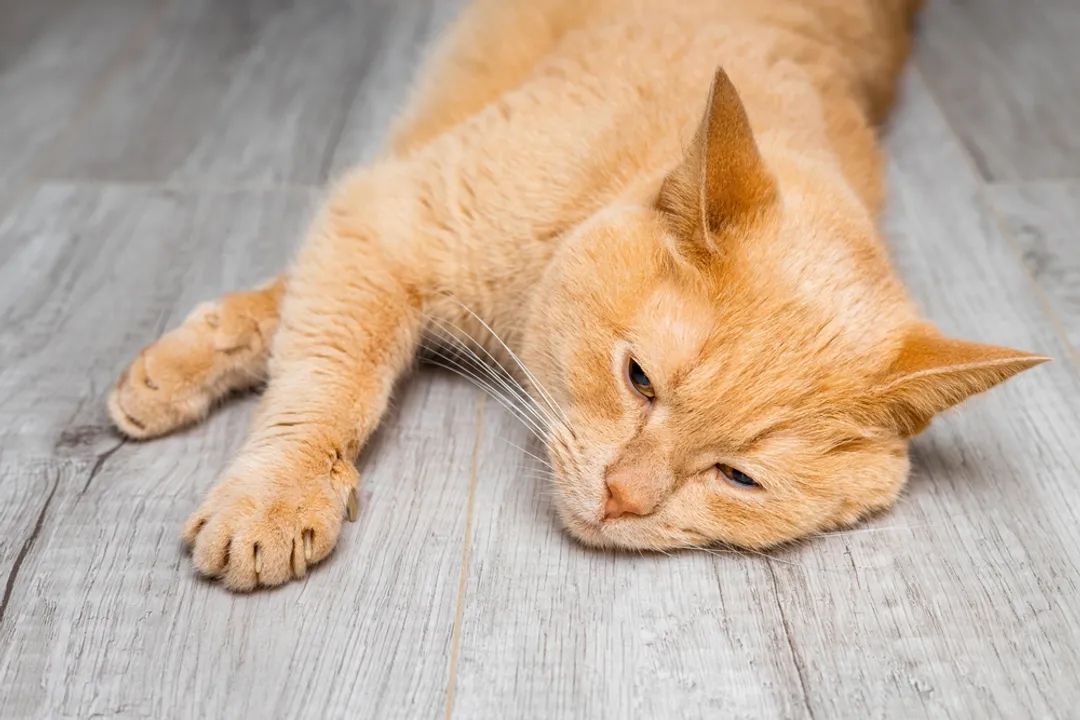
Related Questions
Why is Feline Idiopathic Cystitis (FIC) classified as a sterile disease by veterinarians?What clinical sign defining urinary distress in a cat with FIC is characterized by straining to urinate?What protective layer lining the bladder wall is often found to be patchy or deficient in cats suffering from FIC?Which life-threatening complication of FIC is seen almost exclusively in male cats due to anatomical differences?What diagnostic step is essential to confirm FIC, given it is considered a diagnosis of exclusion?Which interconnected syndrome suggests that FIC involves abnormalities across multiple organ systems, particularly the nervous system?Which class of medication is prioritized during an active, non-obstructive FIC flare to manage the cat’s discomfort?What comprehensive strategy is the most impactful approach for reducing the frequency of future FIC episodes?What key dietary adjustment is emphasized as a cornerstone for chronic FIC management related to hydration?What specific numerical guideline regarding litter box quantity is advised for creating a cat-friendly habitat for FIC-prone cats?