What does gastronomy mean in medical terms?

The term gastrostomy, in a medical context, refers to the creation of a conduit or opening that connects the stomach directly to the outside of the body through the abdominal wall. This procedure establishes an artificial opening, known as a stoma, which allows access to the stomach for specific therapeutic reasons. Essentially, it bypasses the normal upper gastrointestinal tract, particularly the mouth and esophagus.
# Defining The Procedure
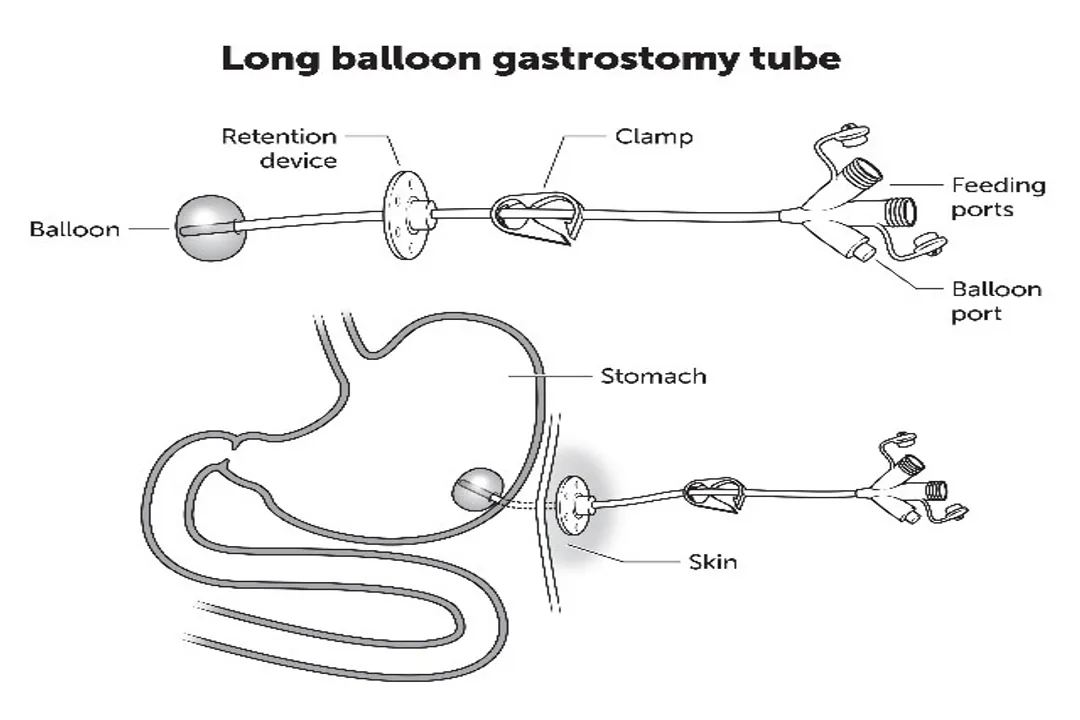
When speaking medically, a gastrostomy is the surgical formation of this specialized opening. The primary function of establishing this connection is usually related to nutrition, although it can also be used for administering fluids or medications directly into the stomach, or conversely, for draining stomach contents when necessary. This intervention becomes necessary when a patient is unable to consume adequate nourishment by mouth, or when swallowing presents a significant safety risk. While the term describes the creation of the hole itself, it is frequently used interchangeably with the presence of the tube that occupies that hole—the gastrostomy tube.
# Clinical Necessity
The decision to perform a gastrostomy is generally rooted in a patient’s inability to safely or sufficiently ingest food or liquids through normal oral pathways. This scenario often arises due to conditions affecting swallowing, such as severe neurological disorders, certain head and neck cancers, or other conditions that impede the passage of food from the mouth to the stomach. In some complex medical situations, particularly involving the intestines or recovery from major surgery, a temporary gastrostomy might be placed to allow the digestive system to rest while still providing essential nutrition directly to the stomach. This contrasts with methods that feed directly into the small intestine; the gastrostomy delivers nutrition to the stomach, allowing for normal digestive processes, like initial breakdown, to occur before the contents pass into the small bowel.

# Insertion Techniques
The method chosen for creating the gastrostomy opening often depends on the patient’s condition, the expected duration of the feeding requirement, and the available medical resources. One common technique involves placing a tube endoscopically, which is known as a Percutaneous Endoscopic Gastrostomy, or PEG tube. This method is generally less invasive than traditional open surgery. In a PEG placement, an endoscope is used to visualize the stomach internally, allowing the physician to guide a tube through the skin and abdominal wall directly into the stomach cavity. For situations requiring a more permanent opening or where endoscopic placement is not feasible, a standard surgical gastrostomy might be performed. Regardless of the technique, the resulting device provides reliable access for feeding or medication delivery.
# Daily Device Management
Once a gastrostomy tube is in place, whether temporary or intended for long-term use, consistent management becomes crucial for patient comfort, safety, and the continued functioning of the tube. This ongoing care involves several regular routines, often guided by clinical protocols established by hospitals and specialized care centers.
# Site Care
The area where the tube enters the body, known as the stoma site, requires diligent attention. For individuals living with these devices long-term, regular inspection of the skin around the tube insertion point is necessary to check for signs of irritation, redness, leakage, or infection. Keeping the site clean and dry helps preserve the skin barrier. If a patient is a child receiving care at a specialized center, for example, protocols emphasize checking the tube placement integrity and ensuring that the skin seal remains intact to prevent leakage, which can cause significant irritation.
A point to consider for caregivers managing long-term tubes is that the skin reaction is highly individual. What constitutes a mild redness for one person might quickly escalate to a breakdown for another due to differences in gastric acid exposure or friction from movement. Vigilance during daily cleansing is thus paramount.
# Tube Functionality
A primary aspect of daily maintenance, especially when the tube is being used for feeding, is ensuring that the tube remains patent—that is, open and clear. This is often achieved through regular flushing with water. Different centers may have specific schedules, but routine flushing prevents blockages from formula residue or medication sediment.
When administering medications or formula, the rate and temperature of the infusion matter significantly for patient tolerance. For instance, delivering a large volume too quickly can trigger nausea or cramping, even if the tube is working perfectly otherwise. Therefore, for long-term users, mastering the art of slow, controlled administration—perhaps using a syringe to push small amounts of warm water to flush the tube before and after every feed or medication—becomes a non-negotiable skill for the patient or their caregiver. This technique helps maintain a steady flow and prevents sudden pressure changes within the stomach that might otherwise cause discomfort or dislodge the device.

# Troubleshooting Essentials
Issues with gastrostomy tubes are common and usually center around three areas: leakage, blockages, or dislodgement.
If a blockage occurs, the common first step is attempting to clear it by flushing with warm water, often using a larger syringe to create gentle, back-and-forth pressure. A different approach, sometimes recommended when simple flushing fails, involves dissolving thick blockages with agents like soda water or very specific enzyme solutions, though this must be done strictly according to a clinician’s direction, as inappropriate chemical use can damage the tube material.
Leakage around the stoma is another frequent concern. This might indicate that the internal bumper holding the tube in place is too far out, or it could signify irritation or infection. If the leakage is associated with tube feeding, it sometimes means the formula is entering the stomach too rapidly, leading to digestive upset and subsequent increased gastric pressure that forces fluid past the tube. Adjusting the feeding rate is often the immediate corrective action taken by care teams when such leakage is observed.
A critical scenario is tube dislodgement—when the tube comes out entirely. For tubes that have been in place for a relatively short time (e.g., less than four to six weeks), the small opening in the abdominal wall can close up very rapidly, sometimes within hours. In these acute situations, immediate medical attention is necessary to reinsert the tube or secure the site until a replacement can be placed, as the tract is not yet mature enough to remain open independently. In contrast, tubes in place for many months or years often have a more established tract, offering slightly more time, but prompt medical review is still essential.
# Comparison of Care Contexts
The intensity and focus of gastrostomy care shift considerably based on the patient’s primary need. For a child recovering from a complex surgical intervention, the focus might be intensely clinical—monitoring output volumes precisely, ensuring sterile site care, and preparing for eventual tube removal once oral intake resumes. The care is often highly structured and time-limited.
However, for an adult with a chronic condition requiring lifelong nutritional support, the management transitions into a matter of daily living. The tube care becomes integrated into household routines rather than strictly clinical ones. In this context, the emphasis moves toward independence—teaching the patient or their family how to manage complex feeding schedules, ordering supplies proactively, and recognizing subtle warning signs of infection before they become emergencies. The management becomes less about acute procedure oversight and more about long-term disease management where nutrition delivery is a foundational life support system. This difference in expectation—acute management versus long-term self-management—is key to understanding the varied medical terminology and protocols surrounding gastrostomy devices.
Related Questions
#Citations
Gastrostomy care | Great Ormond Street Hospital
Understanding Gastrostomy: Definition and Purpose
Gastrostomy | Research Starters - EBSCO
Gastrostomy (G-Tube) Surgery | Children's Pittsburgh
GASTROSTOMY Definition & Meaning | Merriam-Webster Medical
Gastrostomy Tubes (G Tube) | Children's Hospital of Philadelphia
Medical Definition of Gastrostomy - RxList
Feeding tube insertion - gastrostomy - MedlinePlus
Nursing guidelines : Gastrostomy - The Royal Children's Hospital