What do you mean by thirst?

The simple act of reaching for a glass of water often follows a deeply ingrained biological imperative, yet the meaning behind the word thirst itself encompasses much more than just a dry mouth. Fundamentally, thirst describes a compelling sensation or a powerful desire for drink. [1][2][3][5] It is the body’s primary, non-negotiable alert system, signaling that the delicate balance of internal fluids is being disrupted and requires immediate correction. [4] When one experiences thirst, it is more than a casual preference for a beverage; it is a homeostatic drive urging the organism to restore its optimal water level. [10]
# Defining The Need
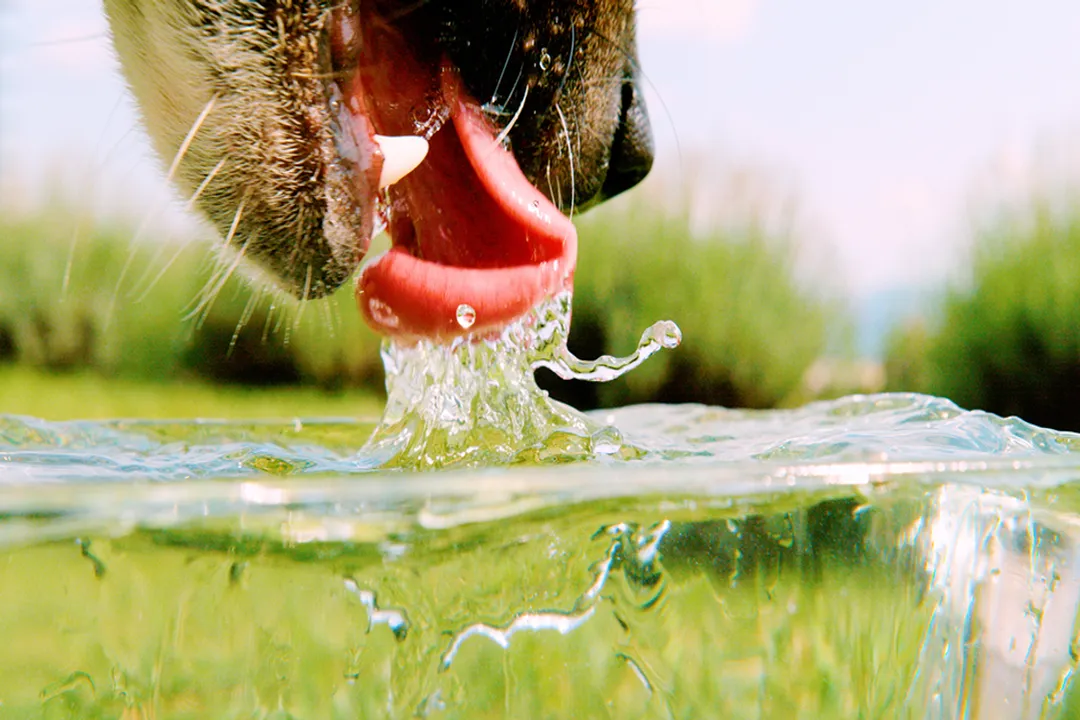
Looking at the terms used across various linguistic sources reveals a consistent core meaning. Thirst can be classified as a noun referring to the feeling itself—the need for drink—or as a verb, meaning to feel this need or to have a strong desire for something, though the latter usage often relates to an intense craving that extends beyond liquid consumption. [1][2][3] For example, vocabulary builders define thirst as the state of needing something to drink, or sometimes, as an intense craving for any desired object or thing. [3][5] While an intense craving for success can be described as thirst, in a physiological context, the definition zeroes in on the need for hydration. [3][5]
The experience of thirst is not always uniform. Sometimes it manifests as a vague feeling of needing refreshment, while other times it is an overwhelming, demanding urge that is difficult to ignore. [10] Understanding the mechanism behind this sensation clarifies why these varying intensities exist, showing that the signal doesn't just respond to surface-level dryness but to profound internal shifts. [4]
# The Body's Signal

The true mechanism behind the sensation of thirst is a sophisticated feedback loop managed primarily by the brain, specifically the hypothalamus, which monitors the concentration of the blood. [4][10] This concentration is often measured as osmolality—how "salty" the blood is, or the ratio of solutes to water. [10] When the body loses water, whether through sweat, respiration, or urination, the blood volume decreases, and the remaining fluid becomes saltier (more concentrated). [4]
Specialized sensors in the brain, known as osmoreceptors, detect this slight increase in blood concentration. [4][10] This detection triggers the immediate signal we interpret as thirst. Simultaneously, the body conserves the remaining water by releasing an anti-diuretic hormone, often called vasopressin, which tells the kidneys to retain more water rather than excreting it as urine. [4][10] This dual action—promoting intake (thirst) and reducing output (ADH release)—is how the body fights to maintain fluid equilibrium. [4]
It is interesting to note that the feeling of a dry mouth, often associated with thirst, is actually a secondary or localized symptom, not the primary trigger detected by the brain’s deep sensors. [10] The brain registers the systemic osmolality change long before the salivary glands significantly reduce their output, meaning by the time your mouth feels distinctly dry, your central hydration mechanisms have already been signaling distress for some time. [4]
If we think of the body as a complex, self-regulating ecosystem, thirst serves as the emergency call signaling low reservoir levels. The osmoreceptors act like highly sensitive pressure gauges in the plumbing system, constantly monitoring fluid consistency. When the gauge drops below the set point—meaning the blood is too concentrated—the alarm sounds. [10]

# Thirst Versus Dehydration
A common point of confusion lies in distinguishing between the sensation of thirst and the underlying condition of dehydration. They are related but not interchangeable concepts. [7][9] Dehydration is the measurable physical state where the body has lost more fluid than it has taken in, resulting in a deficit of total body water. [7][9] It is a quantifiable physiological condition, often assessed by factors like skin turgor or measured fluid loss. [7]
Thirst, conversely, is the psychological and physical drive to reverse that state of dehydration. [7][9] Think of it this way: dehydration is the problem (the deficit), and thirst is the motivation or the symptom driving the solution (drinking). [9] You can be mildly dehydrated without feeling particularly thirsty, especially if the fluid loss has been gradual, but the body is technically out of balance. [8] Conversely, some activities or external factors can cause a sensation of thirst even when the body is not significantly dehydrated from a systemic standpoint. [8]
One critical difference highlighted by medical professionals is the timing of the signal. Thirst is often considered a late indicator of dehydration, particularly in older adults or during strenuous activity. [7][9] By the time intense thirst manifests, the body may already be operating under mild to moderate stress. [8] This observation underscores why relying solely on subjective thirst is insufficient for maintaining optimal hydration, especially when fluid loss is rapid or chronic. [7]
To better understand where an individual sits on the hydration spectrum, moving beyond the simple feeling might involve a quick, self-administered check. Consider this simple assessment: If you have not had a drink in two hours, or if your urine is darker than a pale straw color, you are likely operating at a suboptimal hydration level, regardless of how "thirsty" you feel in the moment. [5] This moves the assessment from a reactive feeling to a proactive measure of fluid management.
# Physiological Triggers
While osmolality is the main driver, other factors can initiate or exacerbate the feeling of thirst. One factor is hypovolemia, which is a reduction in blood volume that isn't necessarily related to high salt concentration, such as blood loss from injury. [4] In this scenario, baroreceptors—pressure sensors located in major blood vessels—detect the drop in blood pressure and signal the brain to initiate thirst, even if the blood's saltiness hasn't changed significantly. [4] This demonstrates that the body prioritizes maintaining adequate blood pressure and circulation volume alongside cellular fluid balance.
Another influence comes from ingested substances. Substances like alcohol or high-salt meals cause the blood to become temporarily hyperosmolar, triggering strong thirst signals as the body pulls water from cells to dilute the bloodstream. [10] Conversely, certain medical conditions can cause a persistent, unquenchable thirst, known as polydipsia. [9] This often happens when the body cannot properly process water or when it signals for fluid even when levels are adequate, often pointing toward issues like uncontrolled diabetes. [9]
Sometimes the sensation can be almost immediate, especially following intense exercise. This rapid onset is often linked to the combination of fluid loss via sweat and the body signaling for replenishment before the osmoreceptors have fully registered the systemic imbalance—a predictive measure, perhaps, anticipating further fluid expenditure. [4]

# The Complexity of Desire
When we step away from strict bodily needs and examine the broader linguistic and psychological uses of "thirst," the concept gains layers of meaning that are fascinating to unpack. The ancient Greek concept of Dipsa certainly covered the physical need but also referenced a dry, parched state connected to the land itself, suggesting a primal link between environmental conditions and internal feeling. [2] When used metaphorically, thirst denotes an extreme craving or eagerness, such as a "thirst for knowledge" or a "thirst for revenge". [3]
What separates the biological need from the metaphorical craving is the mechanism of satiation. Biological thirst is quenched quite directly by fluid intake; a measurable physiological marker (osmolality) returns to baseline, and the sensation ceases. [10] Metaphorical thirst, however, is rarely fully satisfied. The desire for knowledge, for instance, often leads to more curiosity once one piece of information is acquired, perpetually increasing the demand rather than fulfilling it. [3]
A personal observation often made by those who monitor their health closely is the difference between habitual drinking and homeostatic drinking. Many people sip coffee or flavored water throughout the day out of routine, which keeps their system in a relatively stable state. If they suddenly stop this routine, they might feel a mild, almost phantom "thirst." This isn't necessarily true dehydration caused by fluid deficit, but rather the body missing the expected input—a learned pattern overriding the precise osmoregulatory signal. Breaking this pattern requires consciously ignoring the learned signal until the body resets its expectation, a process that can take several days of consistent, needs-based drinking only. [7]
# Quenching The Drive
Addressing the sensation responsibly means understanding how to properly restore balance. As established, the primary response is drinking water. [9] However, the speed and nature of the fluid intake matter. Gulping down massive quantities of plain water too quickly when severely dehydrated can actually dilute the blood too rapidly, potentially causing a temporary imbalance that the body must then work to correct. [4] Sipping or drinking moderate amounts over a short period is generally more effective than chugging large volumes. [7]
For situations involving significant fluid and electrolyte loss, such as intense sweating during prolonged heat or exercise, water alone may not be enough if the sodium loss is substantial. [8] In these cases, replenishing electrolytes alongside water is necessary to restore the full internal environment, not just the water volume. [8] This is why sports drinks contain salts and sugars—they aid in faster absorption and replace what was lost in sweat, which is significantly different from the thirst triggered by simple, non-sweating water deficit. [4]
In summary, thirst is the body's elegantly engineered, evolutionarily refined alarm system. It’s the internal messenger that alerts us to potential systemic instability driven by fluid imbalance. [4][10] Recognizing that this signal is often a delayed response means we must practice proactive hydration, using observable signs like urine color or consistent timing as a guide, rather than waiting for the distinct, undeniable command of true thirst to take hold. [7][9] It is a signal we should respect, but not necessarily one we should wait for before acting to maintain our internal equilibrium. [10]
Related Questions
#Citations
THIRST Definition & Meaning - Merriam-Webster
THIRST definition in American English - Collins Dictionary
Thirst - Definition, Meaning & Synonyms - Vocabulary.com
Thirst - Wikipedia
ELI5 - What actually is thirst? : r/explainlikeimfive - Reddit
THIRST Definition & Meaning - Dictionary.com
What does it mean when someone says they're 'thirsty ... - Quora
What's the difference between thirst and dehydration? - UT Physicians
Thirst - NHS inform
What Does It Mean To Be Thirsty? - Quanta Magazine