What does FIC mean in cats?
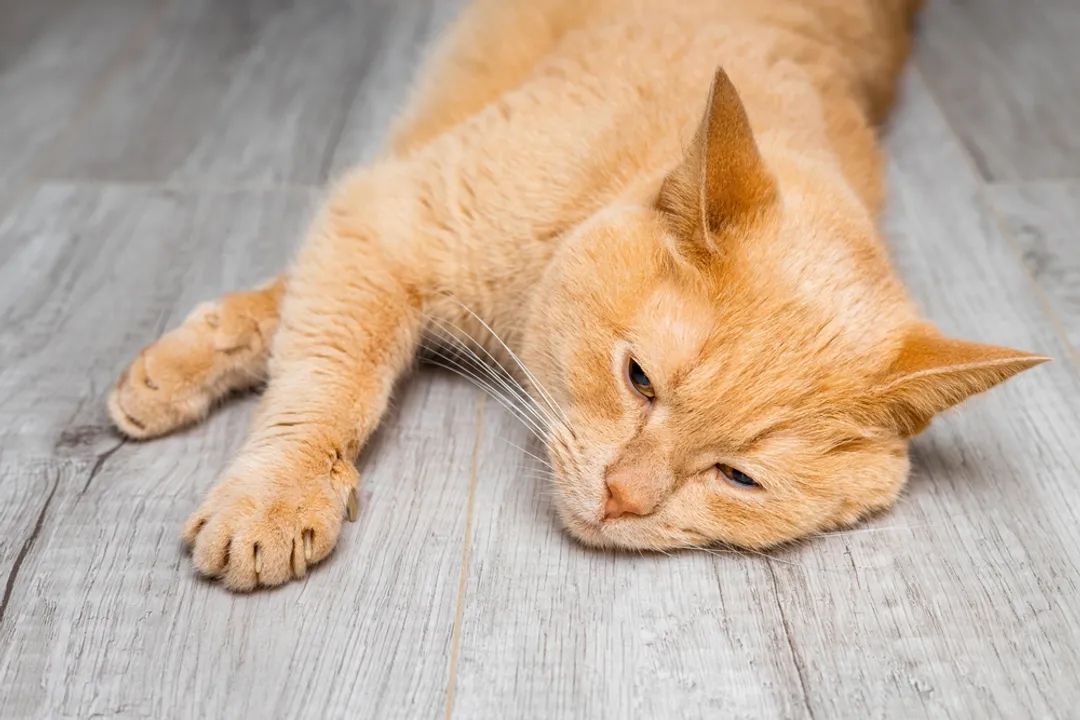
Feline Idiopathic Cystitis, commonly abbreviated as FIC, describes a painful and frustrating condition where a cat’s urinary bladder becomes inflamed without a clear, identifiable source like a bacterial infection or bladder stones. [1][4][8] In essence, it means the bladder is upset for an unknown reason. [6] This is a very common ailment, often presenting as one manifestation of a broader syndrome known as Feline Lower Urinary Tract Disease (FLUTD). [2][7] When all other known causes of lower urinary tract distress—such as urinary tract infections (UTIs), uroliths (stones), or tumors—have been definitively ruled out through testing, the diagnosis settles on FIC. [3][4][7][10]
The term idiopathic itself tells you the complexity: there isn't one simple "germ" to eliminate or one crystal to dissolve. In fact, FIC is a sterile disease, meaning veterinarians will not find bacteria in the urine culture, which is why antibiotics are typically unhelpful. [1][2] Because of its mysterious nature and the tendency for signs to wax and wane, FIC is sometimes linked to a larger, interconnected issue referred to as Pandora Syndrome, suggesting abnormalities across several organ systems, particularly the nervous system. [5] For owners, the signs are concrete and distressing, often mirroring a severe infection or blockage, yet the underlying cause points toward a physiological response to environmental factors. [2]
# Defining the Condition

FIC shares a striking resemblance to a condition seen in humans called interstitial cystitis or bladder pain syndrome. [2][6] While the symptoms are similar, the feline presentation is distinct from a bacterial UTI, which is far less common in younger cats, especially those under 10 years old. [1][6] For cats in this younger demographic, FIC is the most frequent diagnosis when lower urinary tract signs appear. [6][7][10]
FIC is characterized by inflammation deep within the bladder wall—specifically in the interstitium, the space between the cells. [4] This inflammation thickens the bladder wall and causes significant pain. [2][4] The clinical presentation is grouped under FLUTD signs, which include:
- Straining to urinate, known as stranguria. [1][6][8]
- Passing urine more frequently, often in small amounts (pollakiuria). [2][6][7]
- Blood in the urine (hematuria), which isn't always visible to the naked eye. [2][4][7]
- Urinating inappropriately (periuria), often outside the litter box, as the cat begins to associate the box itself with pain. [2][6]
- Excessive licking of the genital area, sometimes causing hair loss, as a self-soothing behavior. [2][4]
- Vocalizing or crying during urination due to discomfort. [2][6]
Cats experiencing an acute FIC episode may also show systemic signs of being unwell, such as reduced appetite, lethargy, or becoming quiet and withdrawn. [2][4]
# The Unclear Roots
The "idiopathic" label is a placeholder for a complex interplay of factors, with stress consistently identified as the most significant contributor or trigger. [1][2][6][8] It is hypothesized that cats susceptible to FIC possess a neurological wiring that makes them react abnormally to stressors compared to the average cat. [2][3] This faulty stress response is thought to involve the regulation of cortisol, leading to an overwhelming internal cascade that negatively impacts the bladder. [1]
One major physical component linked to this process is a defect in the bladder’s natural defense system. The bladder is normally lined with a protective layer of Glycosaminoglycans (GAGs), which acts as a barrier between the tissue and the concentrated urine. [3][6] In cats with FIC, this layer often becomes patchy or deficient, leaving the sensitive underlying tissue exposed to the irritants and chemicals concentrated in the urine, thus leading to inflammation. [2][3][6] Researchers also point to neurogenic inflammation, where nerves within the bladder wall are stimulated, potentially by direct irritation or signals sent down from a stressed brain. [2]
Predisposing factors that increase a cat’s overall risk profile for developing FIC include being overweight, a lack of consistent access to the outdoors or enrichment, living in a multi-cat environment, and a diet consisting predominantly of dry food. [3][5][7] Episodes typically affect younger adult cats. [4][6]

# Emergency Complication
While the majority of FIC cases are non-obstructive and self-limiting, resolving within five to seven days, [6][10] a portion of cats can escalate into a life-threatening complication: urethral obstruction, commonly called the "blocked cat". [2][5][6] This is seen almost exclusively in male cats because their urethra is significantly longer and narrower than a female's, making it far more susceptible to plugging. [2][6]
Obstruction can happen for two primary reasons, which can overlap:
- Functional Blockage: Severe muscle spasm of the urethra, triggered by the severe pain and inflammation of the cystitis, closes the passage shut. [6]
- Mechanical Blockage: Physical material physically plugs the urethra. This "plug" is often a combination of inflammatory debris (like mucus and blood cells) and mineral crystals that may have formed in the urine. [6]
If urine cannot exit the body, toxins build up rapidly, leading to fatal electrolyte imbalances, sometimes within 72 hours. [5][7] Any cat, particularly a male, that is straining with little or no urine production must be seen by a veterinarian immediately—this is a critical emergency. [2][4][7]
# The Diagnostic Process
Since FIC is a diagnosis of exclusion, the veterinarian’s primary goal is to methodically eliminate other possibilities before settling on the "idiopathic" label. [4][10] This process is necessary because the treatment for a stone or infection is very different from that for stress-mediated inflammation. Standard diagnostic steps often include:
- History and Physical Exam: Paying close attention to recent life changes, household dynamics, and stress triggers. [3][5]
- Urinalysis: Checking for bacteria (absent in FIC), crystals, blood, white blood cells, or protein. [4][7][10]
- Urine Culture: Essential to confirm the absence of bacterial infection. [3][4][10]
- Imaging (X-rays/Ultrasound): Used to visualize the bladder and kidneys to look for stones (uroliths) or structural abnormalities. [1][4][7][10]
- Advanced Imaging: In persistent or severe cases, procedures like urethrocystoscopy (using a scope to view the bladder lining) or even a surgical cystotomy for biopsy may be performed to rule out rare conditions like cancer. [4][6]
It is important to note that finding crystals in the urine during this process is not always predictive of FIC; they can be an incidental finding, though they do increase the risk of forming a plug if obstruction occurs. [1][6]

# Managing Acute Flares
For an active, non-obstructive episode, treatment focuses almost entirely on managing the cat’s discomfort until the inflammation naturally subsides. [3][6]
Medications that target the inflammation and pain are key. Veterinarians commonly prescribe analgesics (pain relievers) such as butorphanol or buprenorphine, or medications that address nerve pain like gabapentin. [3][4] While inflammation is present, NSAIDs are generally not the first line for FIC itself, though they are used for other conditions. [4][6]
Historically, drugs to relax the urethra (anti-spasmodics) like prazosin were common to prevent spasms that cause functional blockage. [3][4] However, some recent research has suggested that certain spasmolytics might actually increase the risk of recurrent obstruction, leading to varied protocols among practitioners. [6] Nevertheless, controlling urethral spasm remains an important consideration, often managed with drugs like dantrolene if Prazosin is avoided. [6] Antibiotics are almost never warranted unless a secondary UTI is confirmed via culture. [1]
A useful way to gauge your cat’s immediate status is to compare input versus output. If your cat is eating and drinking normally but producing significantly less urine than usual—even small, frequent trips—it is crucial to remain vigilant for signs of becoming blocked. If you suspect a reduction in total daily urine output compared to their normal baseline, contact your veterinarian right away, even if they appear to be urinating small amounts. [1][2]
# Long-Term Control Through Environment
Because FIC is so closely tied to stress, the most impactful strategy for reducing the frequency of future episodes is Multimodal Environmental Modification (MEMO). [2][6] This is not just about buying a few toys; it involves a comprehensive approach to improving your cat's perceived security and access to species-appropriate resources. [2][6]
# Hydration and Diet Focus
A cornerstone of chronic management is increasing water consumption to keep the urine dilute, making it less irritating to the bladder lining. [1][2]
- Wet Food First: The most effective way to boost moisture intake is transitioning the cat to a diet exclusively of wet food (canned or sachet). Cats naturally derive much of their moisture from prey, and drinking still water from a bowl is often anatomically inefficient for them. [6]
- Water Stations: Offer multiple sources of fresh, clean water. Many cats prefer running water, making a water fountain an excellent addition. [1][4] Some owners find success with flavored water or hydration supplements, but always ensure the cat has a still water option nearby if they refuse treated water. [2][9]
- Prescription Diets: Specific prescription urinary diets are often recommended. These formulations focus on moderate mineral content and sometimes include additives designed to promote calmness, such as L-Tryptophan or Alpha-Casozepine. [1][4] Diets formulated for "urinary stress" are generally preferred over standard urinary diets. [4]
# Creating a Cat-Friendly Habitat
Reducing environmental stressors is paramount. Cats need to feel in control of their domain. [2][5]
- Litter Management: Following the N+1 rule (one litter box per cat, plus one extra) is advised, especially for cats with urinary issues. [1][3][9] Boxes must be kept spotlessly clean, preferably using unscented, sandy litter, and located in quiet, low-traffic areas where the cat won't be startled. [1][3][9]
- Vertical Space and Hiding: Since cats feel safest when they can survey their territory from above, provide plenty of elevated perches and scratching posts—near windows are ideal for visual stimulation. [1][2][9] Adequate, private hiding spots (like covered beds or boxes) are also essential for security. [1][9]
- Resource Allocation: In multi-cat homes, ensure every cat has its own private access to food, water, and litter facilities without competition or obstruction from other animals. Avoiding conflict is key, as even subtle tensions can trigger an FIC episode. [1][5]
When designing the environment for a cat prone to FIC, think about creating choice rather than simply adding stuff. If you have a multi-level home, the litter boxes should ideally be on different floors to reduce the need for the cat to travel through a potentially high-traffic or "contested" area. [3] Also, try to keep food and water stations physically separated from litter areas and any spots near windows where outdoor cats might stress your indoor companion by looking in. [2][9]

# Ongoing Outlook
There is currently no definitive cure for FIC, but through consistent long-term management incorporating dietary changes and stress reduction, most cats experience significant improvement. [4] While approximately half of cats who experience one episode will never have another, a smaller group—about 12%—may suffer from six or more recurrences, classifying them as having chronic idiopathic cystitis. [4][6][10] For these challenging, recurrent cases, especially in males at risk of obstruction, surgical widening of the urethra (Perineal Urethrostomy or PU) may be considered as a last resort after all medical and environmental options have been exhausted. [6] For the average cat, with committed owner attention to environmental stability and hydration, FIC can be a manageable condition allowing for a normal lifespan. [4]
Related Questions
#Citations
Feline Idiopathic Cystitis (FIC) in Cats - PetMD
Feline Idiopathic Cystitis - VCA Animal Hospitals
Idiopathic Cystitis in Cats - Veterinary Partner - VIN
Feline idiopathic cystitis (FIC) in cats - International Cat Care
Feline Lower Urinary Tract Disease
Feline idiopathic cystitis - Wikipedia
Feline Idiopathic Cystitis (FIC) in Cats - Kingstowne Cat Clinic
What's New (and Old) in the Management of Feline Urinary Disorders
Cystitis in Cats | Feline idiopathic cystitis - Blue Cross
Chronic Feline Idiopathic Cystitis Study