What does it mean if a drug is water soluble?
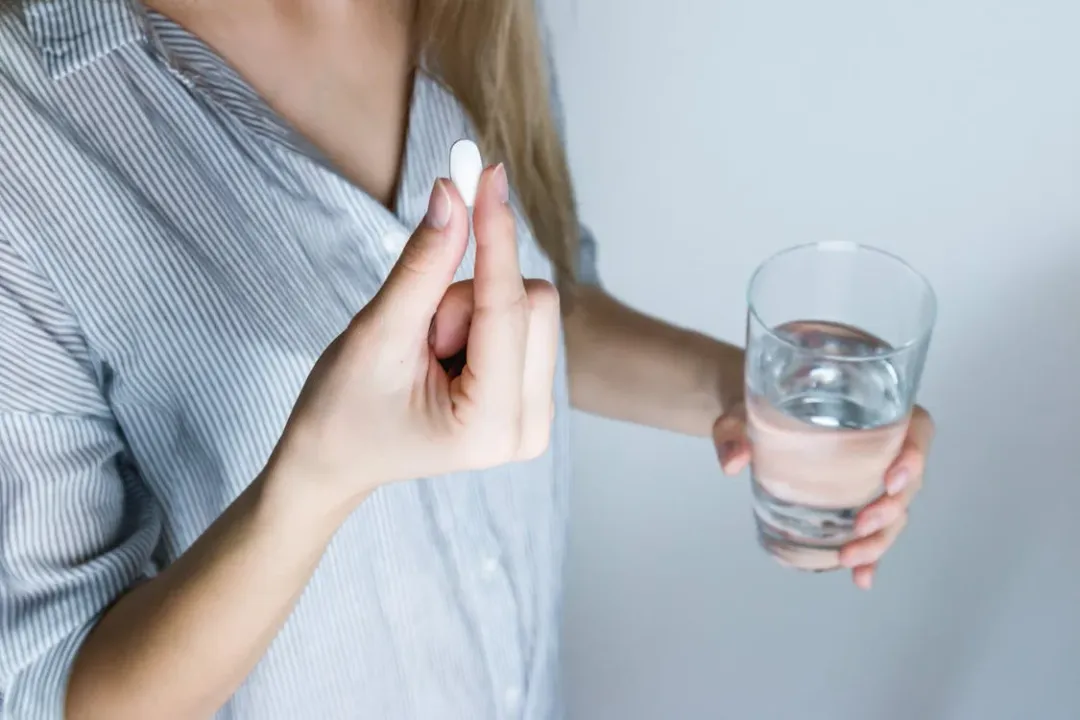
The concept of a drug being water-soluble goes far beyond simply mixing it into a glass of water; it describes a fundamental chemical characteristic that dictates almost every aspect of how a medicine works in the body, from how it is manufactured to how effectively it reaches its target. [1][2] Essentially, a drug’s solubility is a measure of its ability to dissolve in a solvent, in this case, water, which is the main component of bodily fluids like blood and interstitial fluid. [5][8] For a drug to be absorbed into the bloodstream and distributed throughout the body, it must first dissolve in the gastrointestinal fluids or the injection site fluid. [2][4] If a drug remains a solid particle, it cannot cross biological membranes, effectively rendering it useless regardless of its inherent potency against a disease. [3]
# Chemical Basis
Water solubility is primarily determined by the chemical structure of the active pharmaceutical ingredient (API). [6] Molecules that possess polar functional groups—such as hydroxyl (), carboxyl (), or amino () groups—tend to interact favorably with polar water molecules through hydrogen bonding and electrostatic forces, leading to higher solubility. [6] These characteristics allow the drug molecule to break free from its solid crystalline structure and disperse evenly into the aqueous environment. [5]
It is helpful to draw a clear distinction between substances that dissolve well in water and those that prefer fatty, non-polar environments. [7] Drugs that are highly water-soluble are generally characterized as being hydrophilic. [5] Conversely, drugs that are lipophilic (fat-loving) dissolve poorly in water but readily dissolve in lipids or organic solvents. [7] This difference is critical because the human body is lined with lipid-based cell membranes that drugs must pass through to enter systemic circulation. [3] A drug’s solubility profile informs scientists whether it will face hurdles dissolving first or hurdles crossing barriers second. [4] For instance, a drug that is extremely water-soluble might dissolve instantly but might then struggle to partition into the fatty cell membrane to be absorbed into the bloodstream. [3]
# Absorption Role
The process by which a drug enters the bloodstream is critically dependent on this initial dissolution step. [2][4] For orally administered drugs, the medication must dissolve in the stomach or intestinal fluids before the active ingredient can be absorbed through the gut lining. [2] Poor solubility directly translates to low bioavailability, meaning a smaller percentage of the administered dose actually makes it into the circulation to exert a therapeutic effect. [2]
When considering drug absorption, we often look at two related properties: solubility and permeability (the ability to pass through membranes). [3] A drug that is highly soluble but poorly permeable will dissolve quickly but get stuck at the absorption barrier. [3] Conversely, a drug with excellent permeability but very low aqueous solubility will dissolve so slowly that it is swept out of the body before sufficient amounts can pass through the membrane. [3] The ideal scenario for passive absorption is a drug that is reasonably water-soluble to dissolve effectively, yet sufficiently lipophilic to pass through the cell membranes. [4] A drug requiring high systemic concentrations to be effective must achieve this delicate balance. [3]
For drugs administered via injection, such as intravenous (IV) or intramuscular (IM) routes, water solubility is often an even more immediate concern. [2] For an IV preparation, the drug must be fully dissolved in the saline solution to prevent precipitation within the vein, which can cause blockages or embolisms. [2] This requirement means that injectable formulations often necessitate higher water solubility compared to what might be required for an oral tablet to achieve the same therapeutic effect. [1]

# Influencing Variables
Several factors can modulate how much of a specific drug dissolves in water, and understanding these allows formulators to engineer better medicines. [6]
One major factor is the pH of the surrounding fluid. [6] Many drug molecules are weak acids or weak bases, meaning their chemical structure—and thus their solubility—changes depending on whether the environment is acidic or basic. [6] For example, a weak acid drug will be less ionized (and thus less water-soluble) in the highly acidic environment of the stomach ( to 3) but will ionize more readily (increasing solubility) in the slightly alkaline environment of the small intestine ( to 7.4). [6]
Another key variable is the temperature. [6] Generally, as temperature increases, the solubility of most solids increases, although this relationship is not universally true and must be determined empirically for each compound. [6]
The presence of other substances, known as excipients in a formulation, also plays a role. [6] Certain additives can enhance the dissolution rate or the total amount dissolved, sometimes by changing the physical form of the drug or by interacting with the solvent itself. [6] The particle size of the drug powder is also crucial; smaller particles have a much greater surface area exposed to the solvent, leading to faster dissolution, even if the intrinsic chemical solubility remains the same. [6] A drug formulated as a micronized powder, for instance, dissolves much faster than the same drug in a large crystal form. [6]
It is a common misconception that higher solubility always means better performance. In reality, for a drug to be orally active, its solubility must align with the rate at which it can cross the intestinal wall. If solubility is too high, it dissolves immediately but may be rapidly cleared before complete absorption, while if it is too low, it never dissolves in the first place. The sweet spot often relates to the conditions found in the small intestine, which favors moderate dissolution and good permeability.
# Formulation Needs
When a promising drug candidate exhibits poor water solubility—a frequent challenge in modern drug discovery—pharmaceutical scientists must employ specialized techniques to make it viable for clinical use. [2][4] The choice of formulation strategy is a direct consequence of the drug's intrinsic solubility and its required dose. [4]
# Modifying the State
One approach focuses on altering the physical state of the drug. Converting a crystalline form into an amorphous solid (one lacking a regular, repeating structure) significantly increases its apparent solubility and dissolution rate because the amorphous state is inherently less stable and more willing to dissolve. [2] Another technique involves creating salts of the drug molecule if it is an acid or a base, as the ionic salt form often dissolves much better than the neutral free acid or free base. [2]
# Solubility Enhancement
When physical modification isn't enough, excipients are incorporated to aid dissolution. [6]
- Co-solvents: Adding water-miscible organic solvents, such as ethanol or propylene glycol, can sometimes increase the solubility of otherwise sparingly soluble drugs by creating a mixed solvent system that better accommodates the drug molecule. [6]
- Surfactants: These agents, which have both water-loving and fat-loving parts, can surround the drug particles, forming micelles that effectively pull the drug into solution. [6]
- Complexation: In some cases, the drug can be complexed with other molecules, like cyclodextrins, which form a cage-like structure that encapsulates the drug, rendering it more soluble in water. [6]
If a drug is so poorly soluble that even advanced oral formulations fail, the route of administration must change. [4] For drugs that cannot be made sufficiently soluble for oral absorption, manufacturers often opt for direct administration routes, such as intramuscular injection or subcutaneous injection, where the drug is dissolved in a specialized vehicle designed to release it slowly at the injection site, bypassing the harsh dissolution challenges of the gastrointestinal tract. [1] In some specific circumstances, such as for certain biologicals or highly potent compounds, sterile aqueous solutions for IV infusion are mandated, making high inherent water solubility a non-negotiable requirement for development. [2] The decision tree for developing a new medicine is heavily weighted by how easily the API can be prepared as a stable, bioavailable solution or suspension. [1]
Related Questions
#Citations
Drug Solubility: Importance and Enhancement Techniques - PMC
How does drug solubility affect drug delivery? - Patsnap Synapse
Drug solubility and permeability - Pion Inc
Drug Solubility - an overview | ScienceDirect Topics
Water soluble drug: Significance and symbolism
4 Factors Affecting Solubility of Drugs | Ascendia Pharmaceuticals
Water-Soluble Drugs - Prezi
Aqueous Soluble Drug - Encyclopedia.pub
Drug Distribution Within the Body - MSD Manuals