Which three key senses are often implicated beyond the traditional five when discussing sensory differences?
Answer
Vestibular, proprioceptive, and interoceptive systems
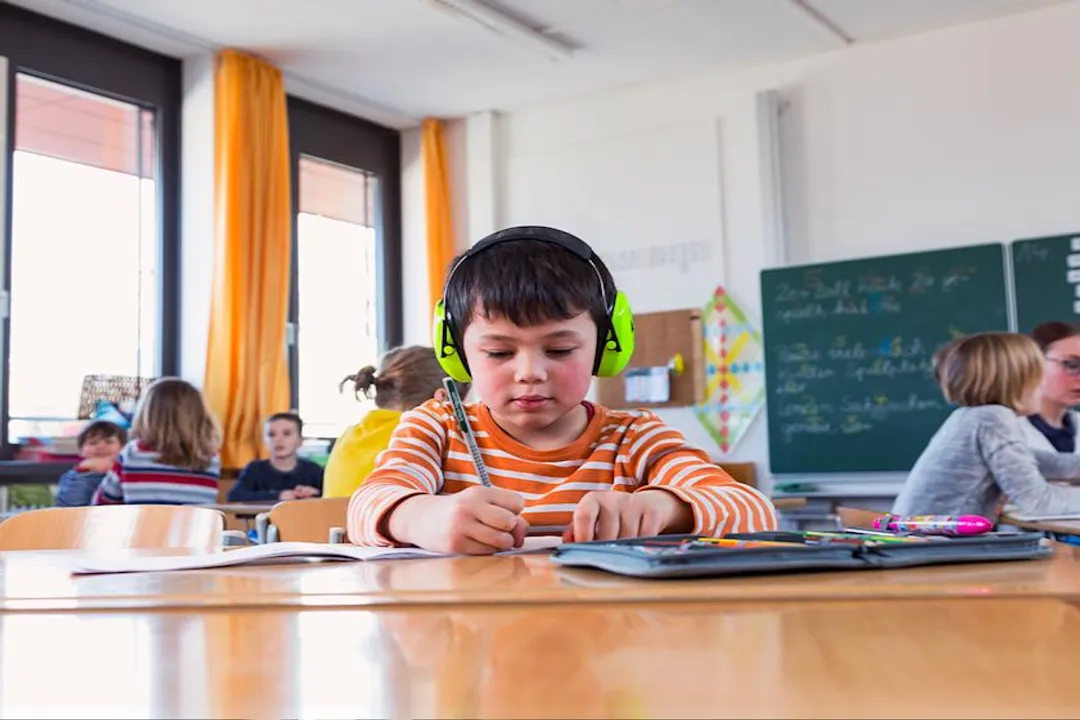
The understanding of sensory experience extends beyond the commonly known five senses. Modern frameworks frequently highlight at least eight or nine senses operating simultaneously. Among these, the vestibular sense, which manages balance and spatial orientation; the proprioceptive sense, which relates to body awareness in space; and interoception, which involves recognizing internal bodily states like hunger or pain, are identified as three crucial systems heavily implicated when differences in sensory processing are present. These systems work in concert with the traditional senses to form an individual's complete neurological experience of the environment.
Related Questions
Which three key senses are often implicated beyond the traditional five when discussing sensory differences?What specific bodily awareness function is primarily governed by the proprioceptive sense?In response profiles, what does the term 'sensory avoiding' typically describe regarding input responsiveness?What neurological requirement characterizes a sensory seeker needing a stronger 'dose' of input to register sensation?What bodily states does interoception specifically help an individual recognize?How is Sensory Processing Disorder (SPD) currently listed in the *Diagnostic and Statistical Manual of Mental Disorders, Fifth Edition* (DSM-5)?What perspective shift does recognizing environmental compatibility promote in support strategies for sensory needs?What is the role of the vestibular sense, often described as the body’s internal gyroscope?What are the two essential categories documented in a proactive Sensory Profile Snapshot?What is the intended function of utilizing a 'Sensory Ladder' approach for individuals categorized as sensory avoiding?