What does it mean when a person has consumption?
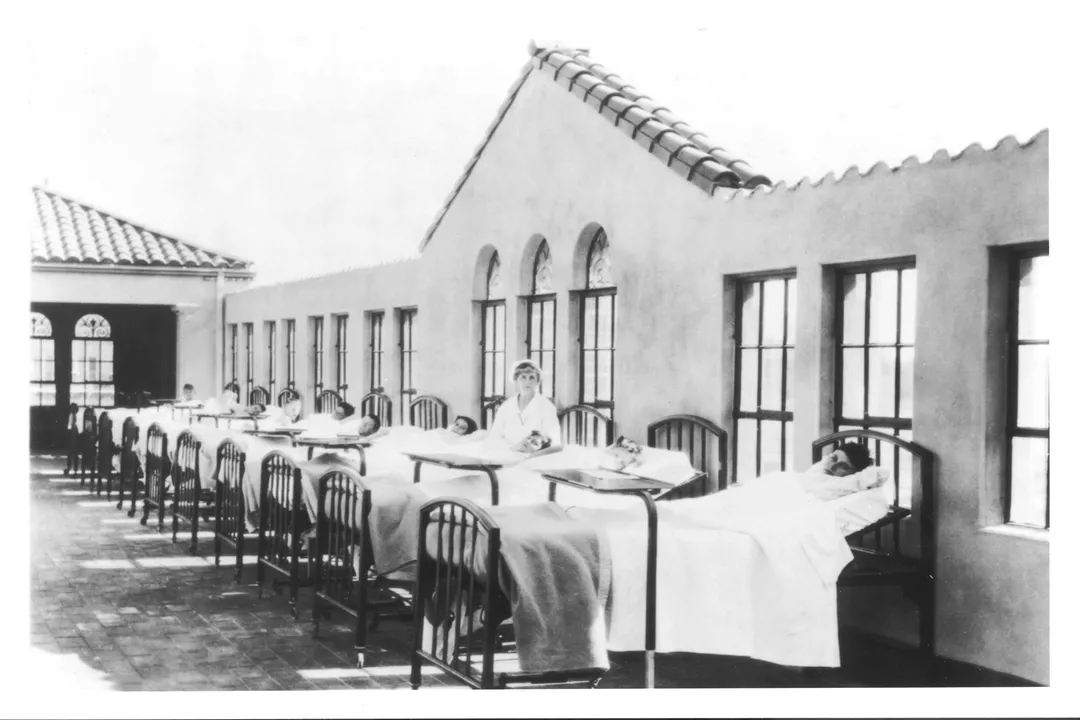
When someone in historical contexts, or sometimes even today in less common usage, spoke of a person having "consumption," they were referring to a serious, often fatal, infectious illness we now know as Tuberculosis (TB). [2][4][5][9] This term was the common vernacular for the disease throughout much of the 18th and 19th centuries and into the early 20th century, before the discovery of the causative agent and effective treatments changed medical language and patient outcomes. [1][6] The meaning behind the word itself paints a grim picture of the illness's physical effects on the sufferer. [4]
# Historic Name
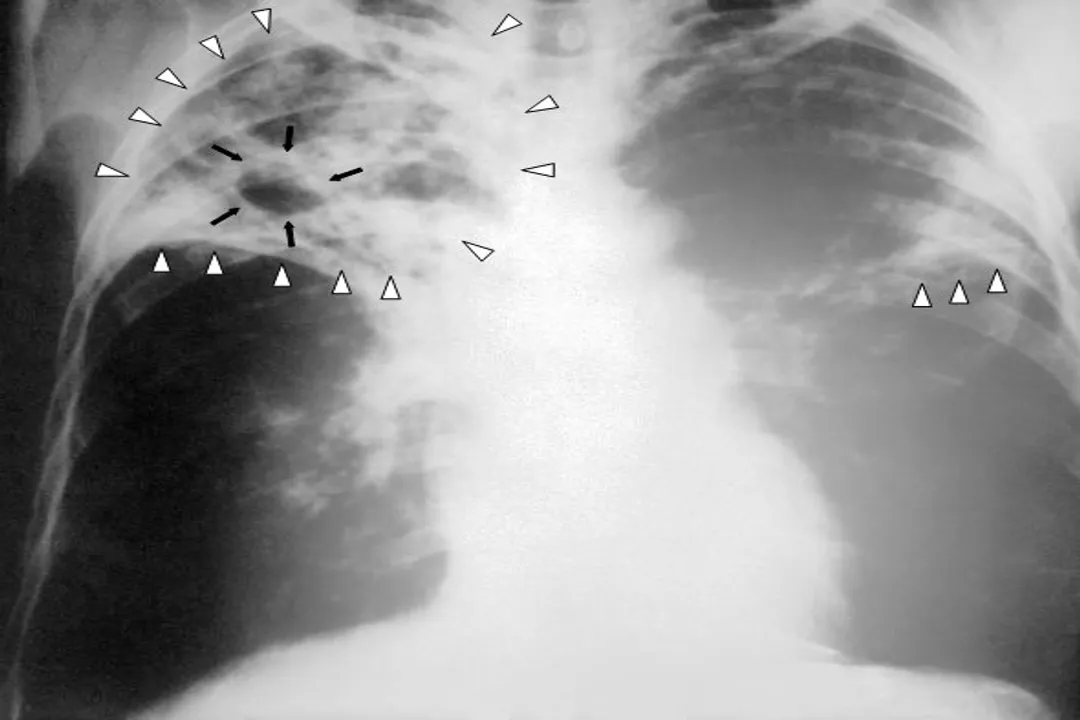
The word "consumption" served as a catch-all term for the wasting disease because it seemed to literally consume the patient from the inside out. [4] While TB can affect other parts of the body, the most common and recognizable form, which gained this infamous name, was pulmonary tuberculosis, affecting the lungs. [2][5][9] In medical texts prior to the late 1800s, "consumption" was the established label. [9] This linguistic legacy persists, reminding us of an era when the disease was so prevalent that a specific name was needed for the wasting away associated with it. [1] The underlying cause, the bacterium Mycobacterium tuberculosis, was only formally identified in 1882 by Robert Koch, which began the slow process of moving away from descriptive, symptom-based naming toward etiological naming. [3][5]
# Wasting Disease
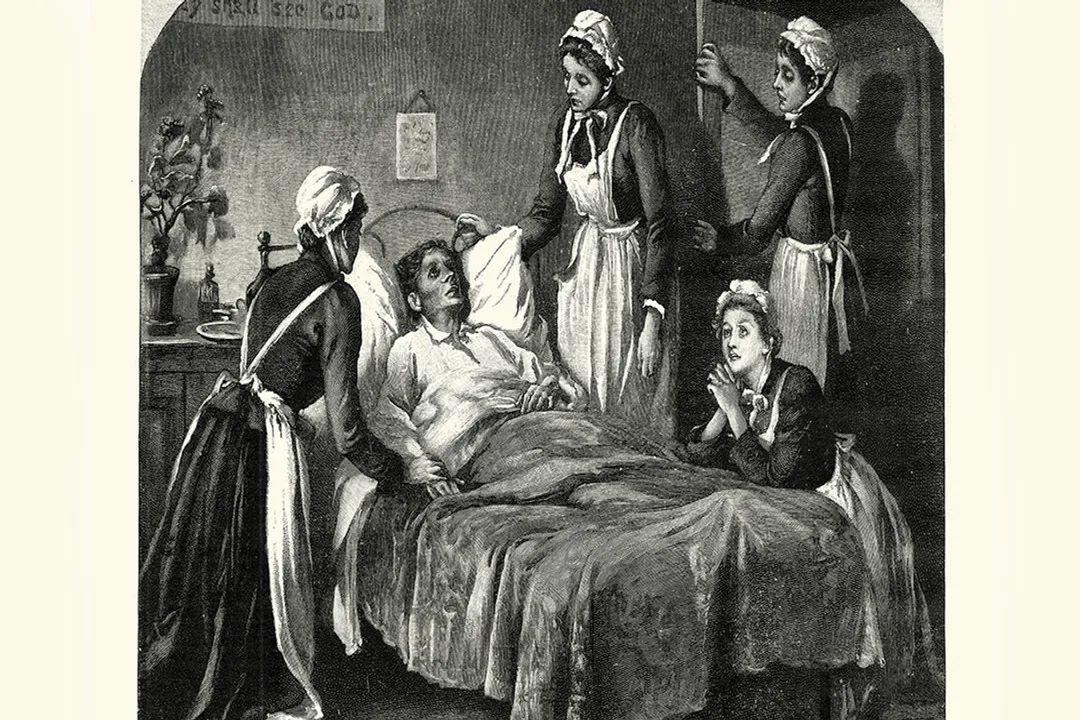
The experience of the patient was central to the name. A person suffering from active TB would exhibit a profound and relentless decline in health, which is what doctors and families observed. [1] This condition often involved significant weight loss, chronic fatigue, and a general fading away, as if the body’s very substance was being used up by the infection. [4][9] This wasting effect was particularly noticeable in pulmonary cases, where the lungs were damaged, interfering with the body’s ability to properly absorb nutrients and oxygenate the blood. [5]
It is interesting to note how this stark physical reality contrasted with the cultural depiction of the disease in art and literature of the time. [1] While the reality was horrific—a slow, agonizing decline—the Romantic period often imbued consumption with a certain tragic, almost ethereal beauty, perhaps due to the feverish flush on the cheeks juxtaposed with the thinness of the body. [6] This cultural overlay meant that to "have consumption" carried a heavy social and artistic weight entirely separate from the underlying microbiology. [6]

# Common Symptoms
When someone was diagnosed with consumption, the constellation of signs they presented with were quite distinct. [5][9] While modern medicine links these signs directly to bacterial activity, historically they were the core diagnostic markers.
The most prevalent symptoms associated with consumption include:
- A persistent, often worsening chronic cough. [5]
- Low-grade fever, which frequently spiked in the late afternoon or evening. [5]
- Drenching night sweats that required frequent linen changes. [5][9]
- Significant fatigue and malaise. [5]
- Unexplained weight loss and appetite loss—the wasting component. [9]
- In advanced lung disease, chest pain might also be present. [5]
If the disease spread beyond the lungs, symptoms could vary widely, but the initial presentation was overwhelmingly pulmonary. [2][5] The severity and duration of these symptoms often meant that by the time a person was officially recognized as having consumption, the disease was already advanced. [9]
# Transmission Route
Understanding how consumption spread was key to controlling it, even before the bacterium was identified. Consumption is, fundamentally, an infectious disease caused by inhaling airborne particles expelled by someone who is actively sick with pulmonary TB. [2][5] This airborne nature made it particularly dangerous in dense, poorly ventilated living and working environments, such as the crowded tenements of the 19th century or even hospitals. [1][5] A simple cough or sneeze from an infected person could release microscopic droplets containing M. tuberculosis into the air, which could then be inhaled by others nearby. [2] The slow, insidious way the infection took hold often meant people could unknowingly spread it to family members or close contacts for months or years before the sick individual became too ill to function. [1]

# Medical Progress
The shift away from viewing consumption as an inevitable, untreatable fate, often blamed on climate or inherited weakness, began with the application of germ theory. [3] While sanitation improvements and better nutrition played a role in reducing the spread in some areas, the true turning point was the introduction of effective medication. [1] The discovery of streptomycin in the 1940s revolutionized treatment. [1][3] This marked the point where having consumption changed from a near-certain death sentence to a manageable, curable condition, provided treatment was available and adhered to. [6]
It’s important to recognize the cultural hurdle overcome here. For centuries, medical understanding focused on symptom management—coddling the patient, encouraging rest in clean, dry air (the sanitarium movement)—because the cause was unknown. [1] The advent of effective antibiotics allowed physicians to target the root cause, the bacteria itself, rather than simply managing the effects of the body being consumed. [3] A critical gap in early understanding was the failure to connect environmental stress and poor ventilation with increased susceptibility, often leading to diagnoses that prioritized the patient's internal constitution over external exposure risks.
# Modern Reality
Today, when we talk about consumption, we are talking about Tuberculosis, and while it is curable, it remains a major global health concern. [2][5] The World Health Organization reports that it is still one of the world's top infectious killers, disproportionately affecting low- and middle-income countries. [10]
Modern diagnosis relies on identifying the bacteria through methods like sputum culture or rapid molecular tests, rather than relying solely on the clinical presentation of wasting and coughing. [2][5] Treatment is highly effective, usually involving a combination of several antibiotics taken consistently for six to nine months. [2][5]
However, the central challenge has shifted from finding a cure to ensuring access to and adherence to the existing cure. When a patient has TB, they must take every pill exactly as prescribed for the entire duration; stopping early because symptoms have disappeared is dangerous because it allows the hardiest bacteria to survive and potentially develop resistance. [2] This necessity for near-perfect, months-long adherence in potentially resource-limited settings is a significant public health hurdle today, arguably a more complex problem than the initial identification of the drug that can kill the bacteria. The primary modern concern isn't simply consumption, but multi-drug resistant tuberculosis (MDR-TB), which requires longer, more toxic, and significantly more expensive treatment regimens. [2][5] Thus, while the name "consumption" belongs to history, the disease it described certainly does not.
Related Questions
#Citations
How We Conquered Consumption
Tuberculosis
Consumption | Special Collections | Library | University of Leeds
Medical Definition of Consumption
When 'Consumption' Came to the West
Tuberculosis—the Face of Struggles ...
Consumption Disease, the great killer
Tuberculosis - Symptoms & causes
When someone died of “consumption” what does that mean?
Consumption