Whose job is to care for others?
The persistent human desire to make a meaningful impact on the lives of others shapes career choices across nearly every sector of the economy. For many adults, work that offers genuine fulfillment—where they can put their passions into practice—is prioritized, even when studies show that less than half of American workers feel their jobs are fulfilling. The answer to whose job it is to care for others is not singular; it belongs to the nurse, the teacher, the manager, and the artisan alike, provided their chosen profession aligns with their core values. Finding that alignment often means moving past the pursuit of salary alone to locate a role that contributes directly to the well-being of others or the betterment of the community.
# Direct Care

Within the medical field, the responsibility for direct, hands-on care is evident and constant. Registered Nurses (RNs) are perhaps the most widely recognized members of this group, forming the largest career sector in U.S. healthcare, where they monitor patients, administer treatment, and provide essential reassurance during vulnerable moments. Advanced practice roles, such as Nurse Practitioners, extend this care by acting as primary and specialized providers, often specializing in areas like geriatrics or mental health.
Rehabilitation and specialized therapy also fall under this direct care umbrella. Occupational Therapists (OTs) help individuals recover skills needed for daily functions, such as dressing or working, aiding those dealing with injury or long-term conditions. Physical Therapists (PTs) focus specifically on improving mobility and managing pain through tailored exercises and hands-on treatment for patients ranging from athletes to the elderly. Similarly, Speech-Language Pathologists (SLPs) treat disorders affecting speech, language, and swallowing, directly affecting a person’s ability to communicate daily.
Emergency situations call for immediate response, managed by EMTs and Paramedics who provide critical, often life-saving, care before a patient reaches a facility. On the less urgent but equally vital side of medical support are roles like the Dental Hygienist, whose work in preventative oral care controls bacteria and prevents diseases like gum disease and oral cancer. Even careers focused on the end of life, such as that of a Funeral Service Director, are considered helping professions, as they ease the burden of planning and provide counseling support to grieving families.
# System Support

Caregiving is not always about administering medicine or therapy; it frequently involves managing systems, advocating for populations, or providing essential daily support to those who need assistance maintaining independence.
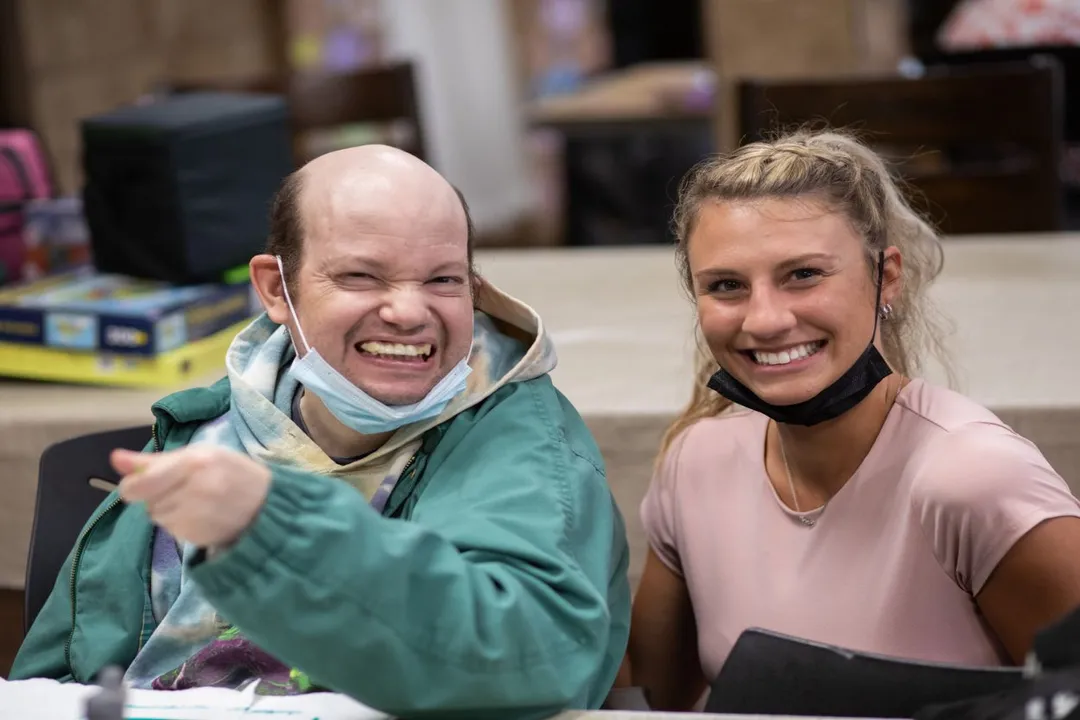
Direct Support Professionals (DSPs) offer assistance to individuals with disabilities, helping them achieve personal goals and maintain a high quality of life through support in community inclusion and daily living. This type of one-on-one relationship building is also central to the work of in-home Caregivers, such as those employed by senior assistance companies, who report that their work is far more than "just a job," often citing feelings of meaning and building genuine connections with the elderly. These roles often require strong compassion and availability, sometimes offering flexible hours and competitive wages starting around ten or twelve dollars an hour.
In the realm of mental and behavioral health, Substance Abuse and Behavioral Health Counselors work to save and change lives by helping people manage addiction and disorders like anxiety and depression. Mental Health Counselors similarly develop treatment plans to improve client well-being. For broader community issues, Social Workers advocate for and empower vulnerable individuals and families, connecting them with necessary resources during crises, such as illness or abuse.
For those who prefer to influence policy and population health, Public Health Professionals are crucial. They promote healthy behaviors within a community, often acting as advocates to help individuals communicate with healthcare providers, sometimes delivering preventive services like blood pressure screenings. Stepping into leadership, Social and Community Service Managers coordinate programs for specific demographics—like veterans or the homeless—by assessing needs and implementing services. Similarly, Nonprofit Program Managers oversee the operations, budget, and staff of organizations dedicated to positive societal impact.
# Shaping the Future
The investment in future generations is another powerful form of care. Teachers, particularly at the elementary level, spend significant face-to-face time with children, offering not only academic instruction but also a crucial secondary support system during difficult times. The classroom can become a nurturing haven where essential life lessons are imparted alongside long division.
A less obvious but significant form of community care involves fostering economic stability. Small business owners, while perhaps not immediately categorized with medical staff, play a key role in alleviating economic concerns by creating jobs, which can account for a large percentage of total U.S. employment. By turning a passion into a viable business, these individuals contribute to the local economic infrastructure and the overall quality of community life.
# The Care Spectrum and Required Investment
It becomes clear that the act of caring manifests across a spectrum of commitment, requiring vastly different levels of educational investment and proximity to the person being helped. This is where an individual must weigh their personal commitment against their timeline. On one end of the spectrum are roles requiring postsecondary certificates or associate degrees, such as EMTs or Dental Hygienists, who can enter the workforce relatively quickly to provide acute or preventative care. On the other end are highly specialized roles like Physical Therapists or Occupational Therapists, which typically necessitate a Doctoral or Master’s degree.
Consider the pathway of a Registered Nurse versus a Nurse Practitioner: the former often requires an Associate or Bachelor's degree to begin making a difference, while the latter requires a Master’s to attain the advanced, comprehensive care provider status and a higher average salary, which can reach six figures depending on location. This difference in educational commitment often correlates with a shift in responsibility, moving from direct task execution to system oversight or complex diagnosis. One tangible way to gauge this required depth is to research through resources like the U.S. Bureau of Labor Statistics Occupational Outlook Handbook, which details tasks, education requirements, and job outlooks for specific professions.
It’s interesting to note that the pursuit of meaning frequently intersects with complex organizational realities. While the motivation for entering helping professions is often pure—a desire to lift others up—the work environment itself is not always pristine. Individuals moving from corporate settings to nonprofits often do so hoping to escape negative office politics, only to find that drama and "playing the game" exist in nearly every industry. The difference, for some, is the ability to sleep at night knowing their daily actions, despite internal friction, contribute good to the world. Furthermore, the decision to enter the nonprofit sector requires due diligence, as not all organizations operate with the same level of integrity or structure; some can be just as business-oriented as for-profit entities. This suggests that caring for others is also the job of the researcher—the job-seeker who must investigate the financial health and culture of an organization before committing their desire to help.
# Values Versus Compensation
The inherent value of helping professions is often high, but the financial compensation does not always mirror that intrinsic worth. Many individuals report that the driving force behind choosing these paths is the feeling of gratification from changing or saving a life, not the paycheck. For example, Social Workers, who help families navigate severe struggles, have a median salary around $$61,330$110,000$ annually.
This contrast reinforces the idea that the person whose job it is to care is defined by intent, not income bracket. When people leave corporate environments seeking kindness, they sometimes find that roles offering the highest emotional reward—like hospice work or direct social work—are the most taxing, requiring sacrifice that can sometimes exceed personal comfort. Conversely, if one chooses a highly specialized clinical track, such as certain medical specialties often noted for high salaries (like Orthopedics or Plastic Surgery), the direct, day-to-day interaction might be less about interpersonal crisis management and more about complex technical skill execution. The realization that one can still pay the bills while accepting a lower salary in a nonprofit setting often confirms that the environmental quality—being surrounded by people who share a goal of making the world better—outweighs the marginal financial gain of a corporate position.
# Finding Your Calling
Ultimately, determining which specific career is suited for an individual requires an honest self-assessment. It involves asking what strengths, passions, and values one brings to the table and then seeking out where the greatest need exists in the local community. Do you want to work on the front lines protecting public health, or do you wish to direct services from a management position? Are you drawn to helping specific demographics, like children or veterans?
One compelling piece of advice suggests moving beyond searching for an existing perfect place and instead aiming to be the change sought. As philosopher Howard Thurman famously advised, one should ask not what the world needs, but what makes them come alive, and then pursue that path, because the world needs people who are fully engaged. Whether that engagement looks like coordinating community outreach, teaching basic literacy, or providing non-judgmental companionship to a senior citizen, the act of caring becomes the individual's job when they choose to prioritize purpose over simple employment.
Related Questions
#Citations
12 Jobs That Help People and Support Communities | USAHS
What careers are out there for people who genuinely want to help ...
8 Important Jobs that Help People in Need | Goodwin University
The Best Careers That Involve Helping People: Finding Meaning ...
Top 5 Inspiring Jobs to Help Others | Career Guide
Caregiver, Home Health Aide And CNA Jobs In Lafayette, LA