What does cottonseed do to your body?
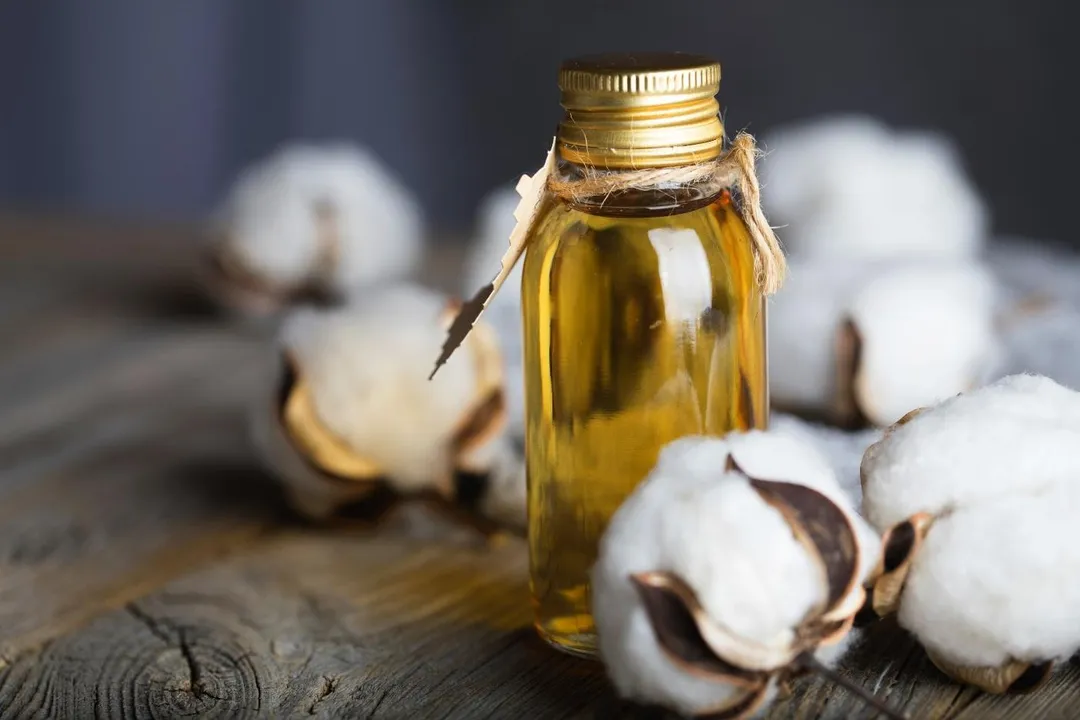
Cottonseed, once largely considered a byproduct of the cotton industry, has found its way into the human food supply, primarily through the highly processed oil extracted from the seeds. Understanding what this ingredient does to the body requires looking closely at the journey from raw seed to refined cooking medium, focusing heavily on the critical chemical changes that occur along the way. [9] The seed itself contains a compound that makes it toxic for direct consumption, but modern refining techniques aim to mitigate these risks, presenting a different nutritional picture once converted to oil. [2][5]
# Seed Toxicity

The raw cottonseed contains a naturally occurring substance called gossypol. [2][5] This polyphenolic compound is a defense mechanism for the cotton plant, meant to ward off pests and predators. [2] For humans and many animals, consuming raw or improperly processed cottonseed can lead to significant health issues. [2][5] Gossypol is known to be toxic; studies indicate that gossypol can cause damage to various organs, including the liver and heart, and may lead to issues like sterility in males. [2] Because of this inherent toxicity, unprocessed cottonseed is generally restricted to animal feed, where specific processing standards must still be met to ensure safety for livestock. [2][9]
# Refining Necessity

The fact that cottonseed oil ends up in salad dressings and frying vats means it must undergo significant processing to remove the gossypol. [2][5] This is a crucial step differentiating the raw material from the final product intended for cooking. [9] The refining process typically involves steps like degumming, neutralization, bleaching, and deodorization. [2] This intensive treatment effectively strips away the free gossypol and other undesirable components, making the resulting oil safe for regular human intake. [2] Without this refinement, the oil would carry the inherent risks associated with the raw seed. [5]

# Fat Composition
Once refined, cottonseed oil presents a distinct fatty acid profile that influences how it interacts with the body's systems, particularly cardiovascular health. [1][3] The oil is notable for its high proportion of unsaturated fats compared to saturated fats. [1] Specifically, it contains a significant amount of linoleic acid, which is an omega-6 polyunsaturated fatty acid. [1] It also contains a moderate amount of oleic acid, a monounsaturated fat, and lower levels of saturated fats like palmitic acid. [1][3]
The general breakdown often looks something like this in terms of percentage of total fats:
| Fatty Acid Type | Typical Range (%) | Primary Benefit/Role |
|---|---|---|
| Linoleic Acid (Omega-6) | 50–55% | Essential nutrient; associated with lowering LDL cholesterol [1] |
| Oleic Acid (Monounsaturated) | 15–25% | Contributes to heart health [1][3] |
| Palmitic Acid (Saturated) | 20–25% | Common saturated fat found in many oils [1] |
When comparing cottonseed oil to other common vegetable oils, the ratio of polyunsaturated to saturated fats is often higher than in something like palm oil, which is much higher in saturated fats. [1] This ratio is often what nutritional science focuses on when assessing the "heart-healthiness" of a fat source. [3]
# Cardiovascular Impact
The specific fatty acid blend in cottonseed oil has drawn attention, particularly regarding its potential role in managing high cholesterol levels in adults. [3] Some research suggests that replacing saturated fats in the diet with oils rich in polyunsaturated fats, like cottonseed oil, can help lower levels of low-density lipoprotein (LDL) cholesterol—often termed the "bad" cholesterol. [3][1]
In clinical contexts, dietary interventions substituting saturated fats with polyunsaturated fats have been shown to reduce LDL concentrations. [3] Furthermore, the oil contains tocopherols, which are a form of Vitamin E, known for their antioxidant properties that can offer some protection against oxidative stress related to lipid peroxidation. [1] While it is an excellent source of linoleic acid, which is essential for human nutrition—we must get it from our diet—it is important to note that the overall dietary context matters significantly. [1][4] Relying on any single oil without balancing overall caloric and macronutrient intake isn't the full picture for long-term health. [4]
A practical point to consider when using cottonseed oil in home cooking is its relatively high smoke point, which makes it a stable choice for deep frying or high-heat searing. [4] However, because it is high in polyunsaturated fats, repeated heating beyond its recommended smoke point or extensive reuse can lead to the breakdown of these beneficial fatty acids and the formation of potentially harmful compounds, similar to any oil high in PUFAs. Keep an eye on oil clarity and smell if reusing oil for frying. [4]
# Industrial Presence
Cottonseed oil has a long history in the food manufacturing sector, often valued for its stability, neutral flavor, and lower cost compared to some alternatives. [4][5] This stability made it an attractive option for mass production. [4] It is frequently used as a frying oil in commercial kitchens because it can withstand high temperatures without imparting strong flavors to the food being cooked. [4][5] Beyond frying, it can be found in various processed foods such as mayonnaise, salad dressings, and baked goods. [5]
The use of cottonseed oil in frying has even been promoted by bodies like the USDA as a potentially "healthier frying" alternative when compared to oils high in saturated fats, provided the consumer understands the fatty acid breakdown. [4] Its neutral taste is a major asset here, allowing the natural flavor of the food product to dominate. [5]
# Comparison and Context
When evaluating cottonseed oil, placing it alongside other common fats offers perspective on its impact. For instance, while it boasts a favorable omega-6 to saturated fat ratio, it is significantly different from olive oil, which is much higher in monounsaturated fats (oleic acid) and lower in linoleic acid. [1] In contrast to oils like palm or coconut oil, which are much higher in saturated fats, cottonseed oil offers a different approach to dietary fat intake. [1]
One subtle area where cottonseed oil differs is in its Vitamin E content. While it does contain tocopherols, the type and quantity can vary based on the refinement process. [1] If the goal is maximizing intake of a specific type of tocopherol, one might need to compare brands or consider other sources, as the refining process can strip away some of these beneficial compounds. [2]
Here is a simple comparative note on common oils based on their general characteristics:
- Cottonseed Oil: High in Linoleic Acid (Omega-6); neutral flavor; stable at high heat post-refinement. [1][4]
- Olive Oil: High in Oleic Acid (Monounsaturated); distinct flavor profile; often consumed raw or lightly heated. [1]
- Coconut Oil: Very high in Saturated Fats; solid at room temperature; unique flavor. [1]
To maximize the nutritional benefit of incorporating cottonseed oil into a standard American diet, which is already often high in omega-6 fatty acids from various sources, one might consider deliberately pairing its use with foods rich in omega-3 fatty acids (like fatty fish or flaxseeds). [1] This conscious balancing act helps ensure that the overall dietary intake maintains a healthier ratio between omega-6 and omega-3s, which is often cited as important for reducing systemic inflammation. [1]

# Final Considerations
The body's reaction to cottonseed components is therefore overwhelmingly dependent on the degree of processing the seed undergoes. [2] The gossypol risk largely vanishes in the refined oil, leaving behind a fat profile that contains essential fatty acids and some Vitamin E. [1][2] The primary nutritional contribution is energy and essential fatty acids, particularly linoleic acid. [1][3] As with any added fat source, moderation and context within the entire diet dictate its overall effect on health. [4]
Related Questions
#Citations
Cottonseed Oil: Uses, Side Effects, and Possible Benefits - Healthline
Cottonseed oil composition and its application to skin health and ...
Cottonseed oil: A possible nutritional therapeutic for adults with ...
Healthier Frying with…Cottonseed Oil - USDA
Is Cottonseed Oil Good or Bad for You? Uses, Dangers, Benefits
Cottonseed Oil and Food Safety
5 Ways You Can Use Cottonseed Oil | MED LAB SUPPLY
Why Cottonseed Oil Is Bad For You - Perfect Keto
Cottonseed for Human Consumption? | NC State Extension