What are the benefits of okra in a woman's body?
Okra is a unique vegetable that has earned a place in many kitchens, particularly for its distinct texture and impressive nutritional density. Known scientifically as Abelmoschus esculentus, this flowering plant is packed with vitamins and minerals that offer specific advantages for women’s health. Often overlooked in favor of more common greens, okra provides a concentrated dose of nutrients that support everything from blood sugar regulation to prenatal health. [1][2]
# Nutritional Profile
At the most basic level, okra is a low-calorie food that is incredibly rich in fiber, antioxidants, and essential vitamins. A single cup of cooked okra contains a substantial amount of Vitamin C, which is vital for immune function, and Vitamin K, which is necessary for bone health and proper blood clotting. [1] It also contains folate, a B-vitamin that is particularly critical for women during their childbearing years. [1][2]
Beyond these basic vitamins, okra contains polyphenols, which are plant-based compounds that act as antioxidants to reduce inflammation throughout the body. [2][5] The high fiber content in both the soluble and insoluble forms helps maintain steady digestion and keeps you feeling full longer, which is a significant asset for weight management. [1][2]
# Blood Sugar
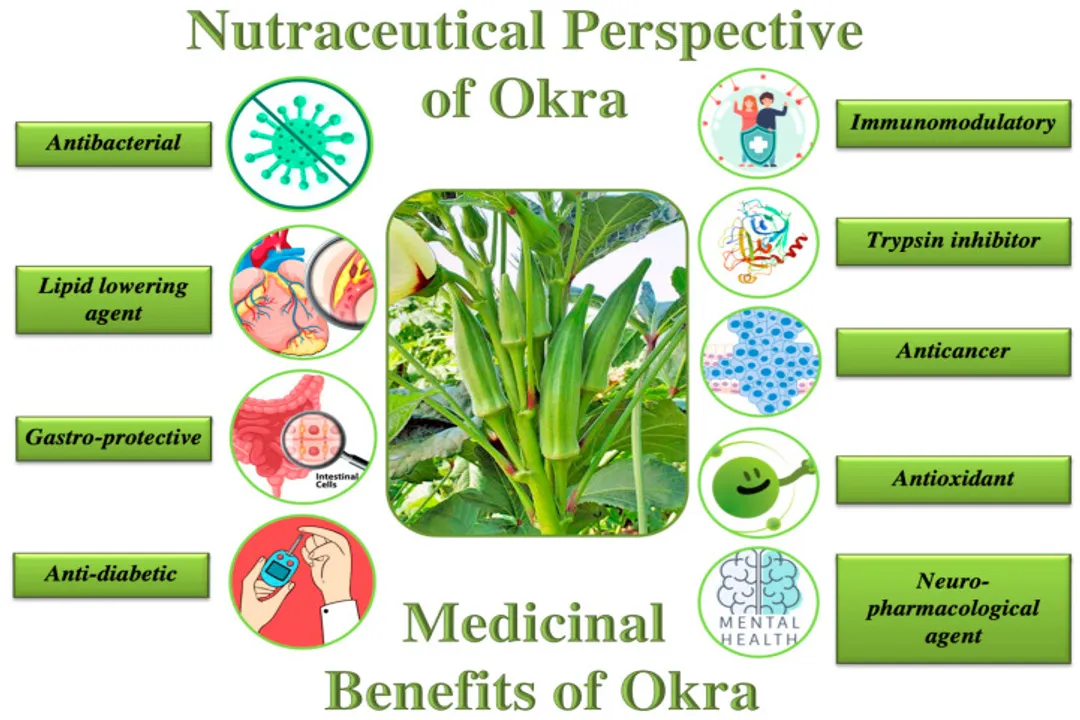
One of the most frequently discussed benefits of okra relates to its potential impact on blood sugar levels. Many people include okra in their diet specifically to manage blood glucose, as research suggests it may help slow the absorption of sugar in the digestive tract. [2][4] The presence of mucilage—the thick, gel-like substance found inside the pods—is often credited with this effect, acting as a natural buffer that keeps blood sugar spikes in check. [5][6]
While some evidence supports the idea that okra can help with glycemic control, it should not replace prescribed medication or medical advice. Instead, it serves as a helpful dietary addition for those who are pre-diabetic or looking to maintain stable energy levels throughout the day. [4] Incorporating it into a regular meal rotation alongside other complex carbohydrates can make blood sugar management a more manageable, food-based effort rather than just a medical task. [8]
# Heart Health
Heart health remains a top priority, and the antioxidants in okra, such as polyphenols, offer direct benefits to the cardiovascular system. [2] These compounds help prevent inflammation and may reduce the risk of heart disease by protecting the body against free radical damage. [1]
The fiber in okra also plays a part here by helping to manage cholesterol levels. High-fiber diets are linked to lower levels of "bad" (LDL) cholesterol, which reduces the buildup of plaque in the arteries. [1][2] By adding okra to your diet, you are not just getting vitamins; you are providing your cardiovascular system with a form of natural support that helps keep arterial function running efficiently. [6]
# Pregnancy Support
For women who are pregnant or trying to conceive, folate is a non-negotiable nutrient. Folate helps prevent neural tube defects in developing fetuses and is necessary for healthy cell division. [1] Okra is a natural food source of folate, making it an excellent addition to a prenatal diet. Because it is also high in fiber, it can help alleviate some of the common digestive discomforts, such as constipation, that often accompany pregnancy. [1]
# Digestive Health
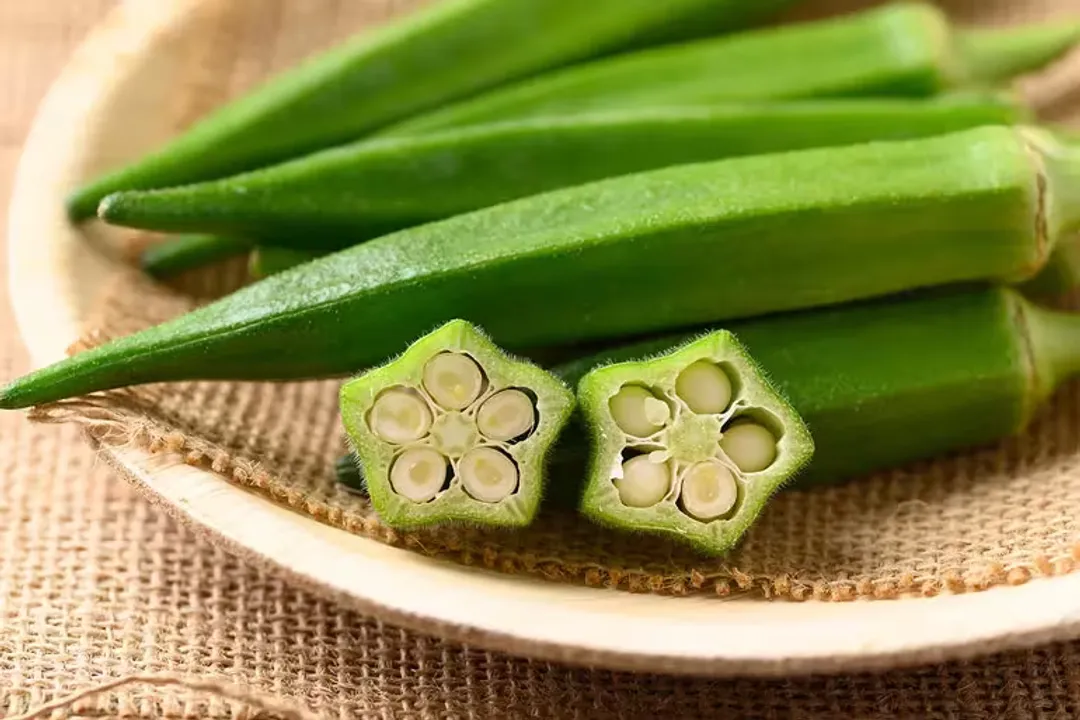
The unique "slime" that many people find off-putting is actually the source of many of okra's benefits. This mucilage is a form of soluble fiber that acts as a prebiotic, feeding the healthy bacteria in your gut. [6] A healthy gut microbiome is essential for hormone regulation, immune function, and mood stability—all of which are vital for overall women's health. [5]
When you eat okra, this gel coats the stomach lining and helps move food through the digestive system more effectively. If you are struggling with irregular bowel movements or general bloating, regular consumption of this vegetable can help keep things moving smoothly. [5][6]
# Okra Water
In recent years, the trend of drinking "okra water"—soaking pods in water overnight—has gained traction. Proponents claim this method extracts the nutrients and mucilage without the need for cooking. [3][4] While drinking this water can contribute to hydration and may provide some of the vegetable’s soluble fiber, it is not a magic solution.
Many of the claims surrounding okra water, such as its ability to instantly cure diabetes or regulate hormones, often lack rigorous scientific backing. [4] It is a safe, calorie-free drink, but it should be viewed as a supplement to a healthy diet rather than a replacement for whole-food consumption. [3] If you enjoy the taste, it can be a hydrating routine, but eating the vegetable itself provides more fiber and nutritional value than the water alone. [8]
# Cooking Tips
Many people avoid okra because they dislike the slimy texture. However, the way you prepare it changes the outcome significantly. Here is how different cooking methods affect both the texture and the nutritional retention of the pods:
| Method | Texture Result | Nutrient Retention | Best For |
|---|---|---|---|
| Quick Sauté | Crisp, less slime | High | Stir-fries |
| Roasting | Dry, crunchy | High | Snacks or sides |
| Boiling | Soft, very slimy | Medium (leaches into water) | Soups/Stews |
| Pickling | Firm, tangy | Medium | Condiments |
To reduce the slime factor while cooking, try adding an acidic ingredient like lemon juice, vinegar, or tomatoes to the pan. The acid breaks down the mucilage, resulting in a less viscous texture. Another effective trick is to cook the pods whole rather than slicing them; slicing exposes the internal gel, which is what causes the sliminess when heated. Keeping the pods intact preserves the texture while still allowing the nutrients to be absorbed by your body. [1][5]
# Actionable Integration
If you want to incorporate more okra into your routine, start small. You do not need to eat it every day to see benefits. Adding it to soups or stews two to three times a week is sufficient to get a consistent supply of fiber and vitamins. [2]
One simple way to start is by roasting sliced okra with olive oil, salt, and your favorite spices until it is crispy. This eliminates the "slime" that deters many new eaters and creates a chip-like snack that is far healthier than processed alternatives. Pairing it with a source of healthy fat, like olive oil or avocado, also increases the absorption of the fat-soluble vitamins (like Vitamin K) found in the okra, ensuring you actually receive the nutritional rewards of what you are eating. [1]





#Videos
OKRA...The Superfood That Heals Your Body Inside & Out! Dr ...
Related Questions
#Citations
5 Benefits of Eating Okra - Cleveland Clinic Health Essentials
Health Benefits of Okra - WebMD
The Amazing Powers of Okra Water (It's the Okra, Not the Water)
6 Possible Health Benefits of Okra Water - GoodRx
Okra (Abelmoschus Esculentus) as a Potential Dietary Medicine with ...
Okra Benefits: Unlocking Health Secrets in the Slime
OKRA...The Superfood That Heals Your Body Inside & Out! Dr ...
6 reasons why every woman should drink okra water with cloves ...