How long does it take to detox from mold exposure?

Navigating the recovery process after mold exposure often feels like waiting for a slow-moving tide to recede. There is no singular, universal timeline for how long it takes to detox from mold [1][4]. The duration fluctuates significantly based on individual biology, the intensity of the exposure, and the specific actions taken to clear the body of mycotoxins [1][8]. While some individuals report feeling symptomatic relief within a few weeks of removing the source of the mold, others face a much longer recovery period spanning months or even years [1][7].
# Recovery Timelines
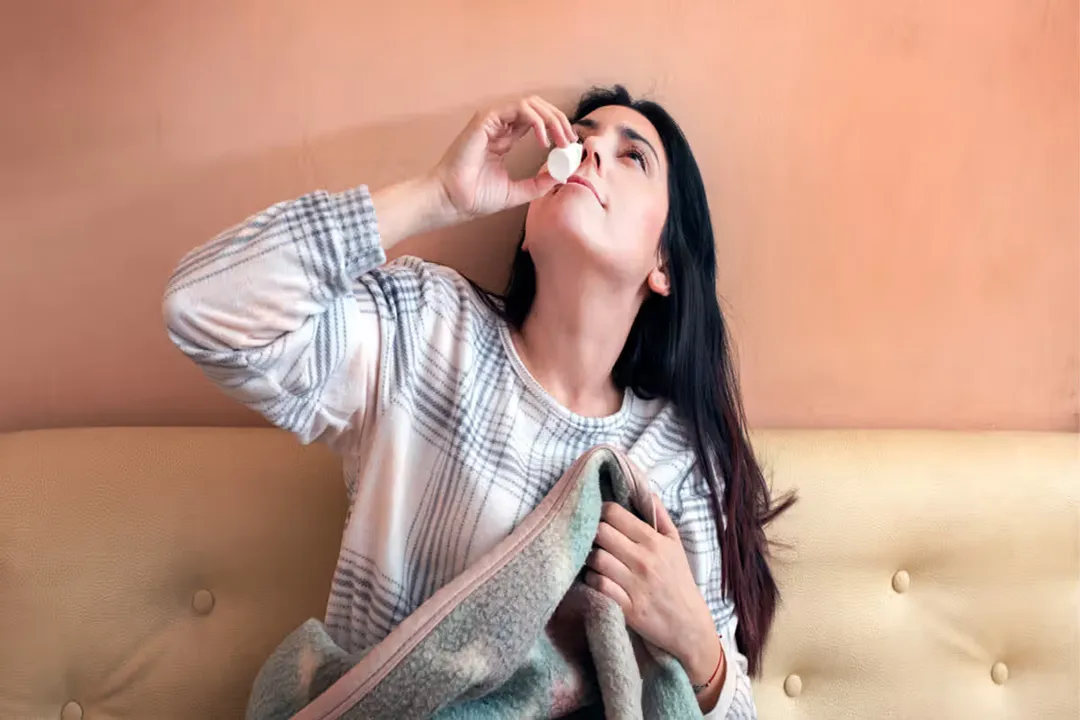
The path to recovery is rarely a straight line. Many people hope for a rapid improvement once they step away from the contaminated environment, but the body often needs significant time to process stored toxins. In cases of acute exposure, symptoms may begin to subside relatively quickly once the individual is in a clean environment [1][8]. However, chronic exposure, where the body has accumulated a higher "load" of mycotoxins, requires a much slower detoxification process [4].
It is helpful to view recovery in phases. The initial phase involves the cessation of exposure and the start of supportive care, which can produce noticeable changes within a few weeks [1]. Long-term recovery, particularly for those with genetic markers that hinder the body's ability to identify and remove mold toxins, can stretch significantly longer [4][6]. The consensus among those who have navigated this process is that patience is required; trying to rush the body’s natural detoxification pathways can sometimes lead to an intensification of symptoms [7][8].
# Removing Exposure
The single most critical step in determining how fast you can recover is the complete removal of the mold source [10]. If you remain in a space where mold is present, your body continues to accumulate toxins, effectively neutralizing any detox efforts you undertake [1][4]. This step must be addressed before any other treatment protocols can be effective.
Once the environment is remediated or the individual has moved to a new location, the body must still contend with the toxins already stored in fat cells [5]. Mycotoxins are lipophilic, meaning they are stored in fat tissues and are not easily excreted by the body without assistance [5]. Simply leaving the environment starts the clock on recovery, but it does not instantly clear the system. Ensuring the new environment is truly clean is essential, as even minor, undetected mold growth can stall progress indefinitely [9][10].

# Biological Factors
Several variables dictate the speed of your recovery, and these are often outside of your immediate control. Genetics play a substantial role. Some individuals carry specific HLA-DR gene variations, which make it difficult for the immune system to recognize and tag mold toxins for removal [4][6]. For these individuals, the body requires significantly more assistance to clear the toxins than it does for someone without these genetic predispositions [4].
The duration of the initial exposure also matters. Long-term, low-level exposure can be just as difficult to recover from as short-term, high-level exposure, as the toxins settle deep into the system [4]. Additionally, the state of your gut health and liver function determines how efficiently your body can process the toxins once they are mobilized [2][5]. If your liver is already overwhelmed, the detoxification process slows down, as the body struggles to keep up with the volume of mycotoxins being released from fat stores [2].
# Detox Methods
Because the body often struggles to eliminate mycotoxins on its own, many protocols focus on "binding" these toxins [5]. Binders are substances that attach to mycotoxins in the digestive tract, preventing them from being reabsorbed and allowing the body to excrete them safely [2][5].
The following table summarizes common strategies used to support the body during the detoxification process:
| Method | Purpose | Typical Usage |
|---|---|---|
| Binder Therapy | Traps toxins in the gut for excretion | Taken between meals or at night [2][5] |
| Sauna Therapy | Encourages excretion through sweat | Used in short, monitored sessions [2][6] |
| Dietary Changes | Reduces inflammation and burden | Removing moldy/yeast-promoting foods [2] |
| Hydration | Supports kidney and liver function | Consistent daily water intake [2] |
These methods should be implemented gradually. Introducing too many interventions at once can overload the body's elimination pathways, potentially causing a "herxheimer" reaction, where symptoms temporarily worsen as toxins are released faster than they can be cleared [6].

# Monitoring Progress
Tracking your progress is essential to stay motivated, as the day-to-day changes are often subtle. Rather than looking for a sudden, complete resolution of symptoms, it is more effective to monitor small, incremental shifts. Many individuals find it useful to keep a symptom log to identify trends over weeks, rather than hours.
One effective way to track progress is to use a consistent, scale-based system for your most prominent symptoms. Assigning a numerical value to your brain fog, fatigue, or respiratory issues can help you see the downward trend in toxicity even when you feel stuck.
Consider the following tracking checklist to maintain perspective:
- Symptom Frequency: Are the "bad days" becoming less frequent week over week?
- Intensity: When symptoms do appear, are they less severe than in the previous month?
- Recovery Time: How long does it take for you to bounce back after a stressful event or trigger?
- Energy Levels: Are you finding periods of sustained energy that were previously impossible?
If you notice that symptoms have plateaued for an extended period, it may be an indication that the current protocol needs adjustment or that there is still a hidden source of mold exposure, such as a contaminated car, workplace, or a piece of furniture that was brought to the new environment [10].
# Immune Health
The immune system is the engine that drives your recovery. After mold exposure, the immune system is often in a state of high alert or, conversely, significantly suppressed [3]. Healing is not just about removing the toxins; it is about rebuilding the body's resilience. This involves addressing nutrient deficiencies, as the body uses significant amounts of vitamins and minerals to process toxins [2].
Focusing on gut health is another secondary pathway to recovery. Since a large portion of the immune system resides in the gut, restoring the balance of your microbiome can prevent the ongoing inflammation that keeps you feeling symptomatic long after the mold has left your system [5]. Avoiding foods that fuel fungal growth, such as high-sugar or yeast-containing items, can reduce the internal burden while the liver works to process the mycotoxins [2].
Ultimately, the timeframe for detoxing is entirely individual. While you might want a definitive date for when you will feel 100% recovered, the best approach is to focus on the consistency of your protocol, the quality of your environment, and the slow, steady restoration of your baseline health [8]. Recovery is possible, but it requires listening to your body's signals and adjusting your pace accordingly [7][8].
Related Questions
#Citations
How Long Does Mold Stay in Your System? - EHC Buffalo
How to Detox Your Body from Mold - Healthline
Mold Exposure: Symptoms, Risks, and Effective Treatments 2026
How Long Does It Take to Detox Mold from the Body? - Cymbiotika
How to Detox Mold and Mycotoxins From Your Body After Mold ...
Expert Dr. Kausik Roy on the Mold Detox Protocol That Actually Works
How long would it take to detox from mold toxicity - Reddit
Mold Recovery, How Long does Mold Sickness Last? Mold Allergies
Black Mold Exposure: Symptoms, Risks & Treatment - Cleveland Clinic
Mould Detox: 3-Phase Treatment for Recovery & Gut Health