What primarily drives appetite frequently categorized as hedonic?
Answer
Pleasure, sight, smell, or emotional state rather than energy deficit
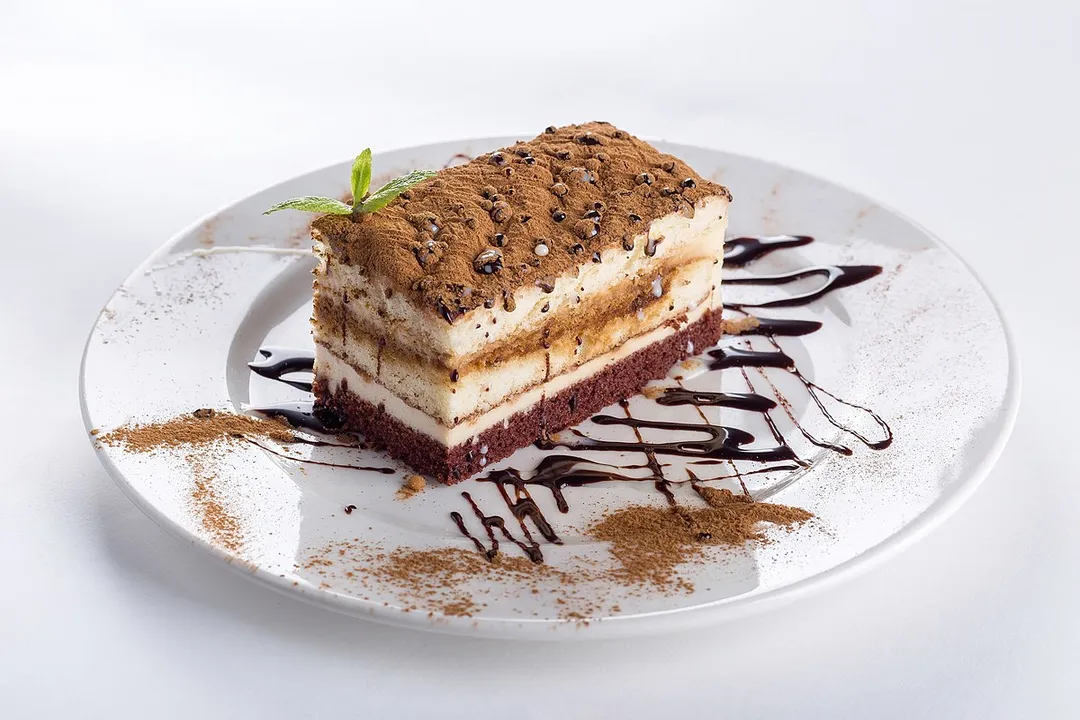
Hedonic eating, which is largely governed by appetite, is motivated by the potential for pleasure derived from food, rather than the actual physiological need for calories. This drive is strongly modulated by external stimuli such as the sight or smell of palatable items, or internal factors like emotional states, rather than a recognized energy deficit in the body. A classic example illustrating this is the strong desire for dessert following a large, satisfying meal—the physical need for energy has been met, but the hedonic appeal of the sweet item keeps the appetite active. This mechanism relies heavily on the brain's reward centers responding to sensory cues.
Related Questions
What distinguishes the fundamental term appetite from simple physical need?How is hunger primarily characterized in contrast to appetite?What primarily drives appetite frequently categorized as hedonic?What role does the hypothalamus play in appetite regulatory systems?Which hormone, released by the stomach, signals the brain to initiate eating?Why can appetite persist even when a person is physically full?How do sensory cues like the aroma of baking bread influence eating behavior?Which self-assessment question tests if the desire is for food or a specific treat?What is the Latin root word for appetite, meaning 'desire' or 'inclination'?What term is used clinically for the severe loss of desire to eat during cancer treatment?