What distinction separates powered, full-body robotic exoskeletons from simpler passive supports?
Answer
Powered systems incorporate active motors and computerized balance controls
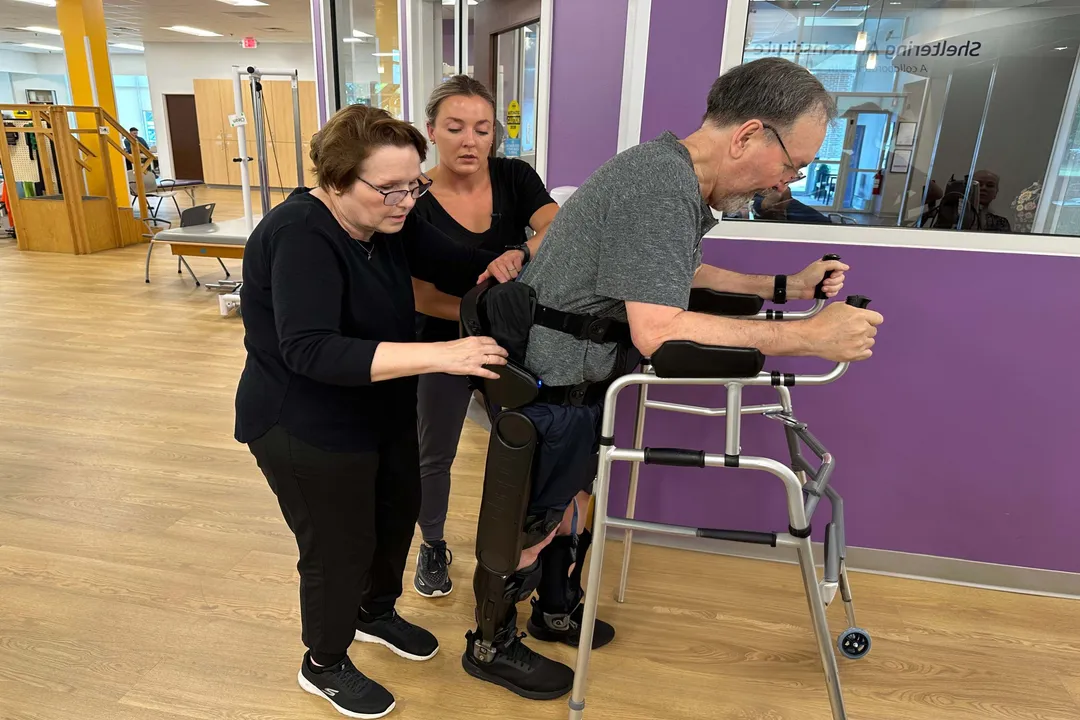
The primary functional difference that accounts for the massive price disparity between basic supports and advanced robotic systems lies in the technology deployed for movement restoration. Passive devices function using mechanical assistance only, lacking any internal power source for movement generation. In contrast, medical-grade exoskeletons like those for SCI recovery utilize sophisticated actuators, integrated battery systems, and computerized balance controls to actively power and manage safe, repetitive bipedal motion, which contributes directly to their high sticker price.
Related Questions
What was the reported historical purchase price benchmark for a ReWalk personal exoskeleton system?What is the estimated additional cost added solely by the mandatory initial training for a personal exoskeleton device?What is the standard outpatient rate range per hour for physical or occupational therapy sessions mentioned in the context of training?How many hours of supervised training are generally mandated before a user is cleared to operate their personal exoskeleton independently?Which device type represents the lower end of the cost spectrum for assistive exoskeletons?What distinction separates powered, full-body robotic exoskeletons from simpler passive supports?What important development regarding Medicare coverage for personal exoskeletons occurred on the East Coast in late 2024?What factors besides the basic engineering contribute to driving up the final price tag for custom exoskeleton systems?What components must personal exoskeleton owners budget for as separate liabilities for long-term ownership?When does purchasing a personal exoskeleton outright potentially become more economical than continuous clinical rental use over several years?