Does fig increase sperm?
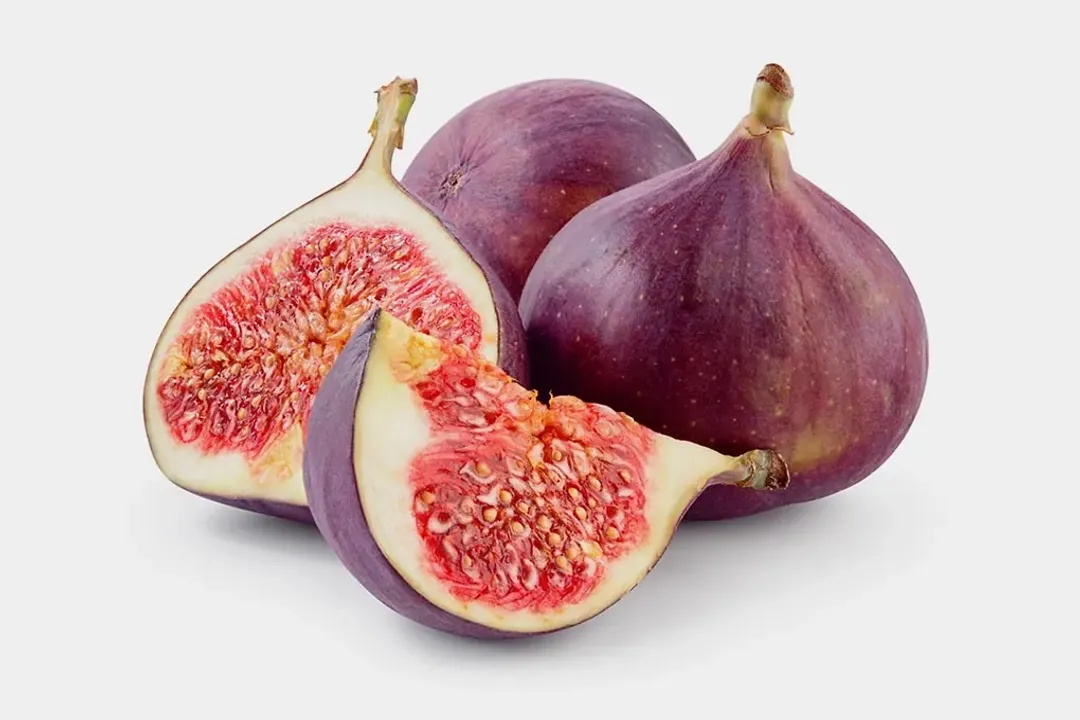
The sweet, chewy fruit of the fig has long held a respected place in various traditional dietary practices, particularly those concerning male vitality and reproductive wellness. Men seeking natural ways to support their reproductive health often turn to this ancient fruit, sometimes referred to as anjeer in certain regions, wondering about its specific physiological effects, especially concerning sperm quality and quantity. [2][4][9] While modern clinical research provides nuanced views, the established nutritional profile of figs offers compelling reasons why they are frequently suggested for male vigor. [7]
# Fig Nutrients

Figs, whether eaten fresh or dried, are dense packets of essential nutrients vital for overall health, which indirectly supports reproductive function. [4][6] A close look at their composition reveals minerals often associated with male fertility pathways. They contain zinc, a mineral frequently studied for its role in sperm production, motility, and testosterone maintenance. [2][6] Furthermore, figs offer good amounts of magnesium, potassium, and iron. [2][6]
The presence of Vitamin B6 is also noteworthy, as this vitamin plays a role in hormone regulation. [6] For men concerned about circulatory health—which directly impacts reproductive function—figs provide dietary fiber and compounds that may support healthy blood flow. [5] Dried figs, in particular, concentrate these minerals significantly when the water content is removed, meaning a small portion of dried figs can deliver a higher dose of key elements compared to the same weight of fresh figs. [4] However, it is important to recognize that the drying process can affect the levels of certain water-soluble vitamins. [9] This trade-off between mineral density and vitamin retention means that incorporating both fresh and dried varieties into the diet across different times of the year offers the most rounded nutritional advantage.
# Sperm Impact
The primary interest surrounding figs in this context revolves around their potential to boost sperm parameters, specifically count and motility. [4][7] Some traditional and modern alternative health discussions link the consumption of figs to an increase in sperm density and the percentage of sperm that are actively moving. [9] While many reputable sources cite general improvements in sexual health, specific large-scale, double-blind human studies directly attributing a measured percentage increase in sperm count solely to fig consumption are less common in widely accessible literature. [1][7]
However, the supporting evidence lies in the known functions of the micronutrients figs provide. Zinc, for example, is directly involved in the structure and maturation of sperm cells. [2] Deficiencies in this mineral have been linked to poor sperm quality. Therefore, the mechanism is likely indirect: by ensuring adequate intake of crucial building blocks, figs support the body's natural spermatogenesis process. [6] When considering scientific literature that investigates diet and fertility, it is often the pattern of nutrient intake, rather than a single food item, that shows measurable results, making the consistent inclusion of nutrient-rich foods like figs beneficial. [1]

# Traditional View
Historically, figs have been valued across Mediterranean and Ayurvedic traditions not just as a food, but as a restorative tonic. [2][8] In many historical contexts, foods that supported general physical strength and stamina were naturally linked to sexual potency and fertility. [4] They were often recommended alongside other aphrodisiac or tonic foods to enhance male reproductive function generally. [2]
This traditional belief system often emphasized whole-food interventions for long-term well-being rather than acute treatment for specific disorders. [9] If a community observed that men who regularly consumed figs seemed more vigorous or fertile, that observation cemented the food's reputation as a fertility aid. Such traditional recommendations often focus on consistent, moderate consumption as part of a balanced diet, rather than viewing the fig as a pharmaceutical agent to be taken in high doses for a short period. This contrasts sharply with modern, goal-oriented supplementation, where people often seek an exact dosage to achieve a specific, rapid outcome.
# Consumption Methods
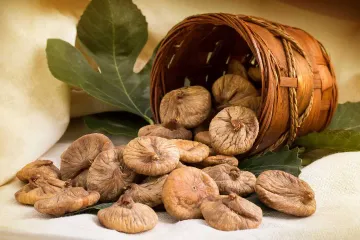
Incorporating figs into a regular diet can be done easily, given their versatility. Dried figs are perhaps the most common form consumed globally due to their long shelf life and concentrated sweetness. [6] They can be eaten as a snack, added to breakfast cereals, or blended into smoothies. [8]
For those focusing specifically on fertility support, moderation is key, especially with the dried variety due to its higher sugar concentration. [4] A typical suggestion involves soaking a few dried figs overnight in milk, possibly with almonds or walnuts, and consuming them in the morning. [2][9] This preparation method is often cited in traditional contexts as particularly beneficial for vitality. [2] Another practical application is using them in nutritious preparations; for instance, blending figs with greens and other seeds can create a well-rounded smoothie aimed at general male health. [8]
If you are planning your intake around mineral replenishment, understanding the preparation context matters. While soaking milk might enhance mineral absorption or bioavailability for some, eating them dried straight from the package offers a rapid energy boost along with the concentrated zinc and calcium. [6] The key takeaway across most advice is consistency rather than quantity; introducing three to five figs (fresh or dried equivalent) daily into an already healthy eating plan is a common, sustainable approach. [4][9]
# Vitality Support
The benefits attributed to figs extend beyond just sperm parameters, often encompassing broader markers of male health that are fundamentally linked to reproductive success. Since reproductive health relies heavily on balanced hormone levels and good systemic circulation, the general health-boosting properties of figs are relevant. [5][7]
Figs are known to be a source of antioxidants. [5] These compounds help combat oxidative stress, which is a recognized contributor to sperm DNA damage and reduced motility. [1] By reducing systemic oxidative burden, the body creates a more favorable internal environment for sperm development. Furthermore, figs have been suggested to support healthy energy levels and stamina, which aligns with the traditional view of figs as a fortifying food. [4] When the body is generally well-nourished and fighting less oxidative stress, all complex processes, including spermatogenesis, tend to function more optimally.
In summarizing the evidence, figs are a nutrient-dense food that provides key minerals, like zinc, known to be foundational to male reproductive health. While they are not a singular cure for infertility, their regular inclusion in a balanced diet supports the underlying nutritional needs that allow for healthy sperm production and function. [1][7]
Related Questions
#Citations
Effects of Common Fig (Ficus carica) Leaf Extracts on Sperm ... - NIH
Dry Figs Benefits for Men: Health Reasons to Eat Anjeer - Krishival
Is fig juice really the key to better sperm? Let's break it down
Fig Benefits for Sperm and Sex for Men - InstaCare
What are the Benefits of Figs for Men's Health?
7 Health Benefits of Dried Figs for Male Energy, Strength & Vitality
Top 10 Fruits to Increase Sperm Count and Motility | CNY Fertility
Fig Smoothie To Help Boost Fertility - Brisbane Livewell Clinic
Figs for Fertility – How Does It Help? - FirstCry Parenting