Why avoid allium?

The simple scent of garlic sautéing or the satisfying crunch of a raw onion can define entire cuisines, yet for a significant number of people, these staple vegetables signal the beginning of discomfort or other unwanted effects. Understanding why one might choose to avoid the Allium genus—which includes onions, garlic, chives, leeks, and shallots—requires looking beyond simple taste preference and delving into digestive science, immune responses, and even ancient dietary philosophies. [2][6] It’s not just about a temporary upset stomach; the reasons for avoidance can range from mild intolerance to severe allergic reactions, or adherence to specific lifestyle practices. [3][7]
# Digestive Discomfort
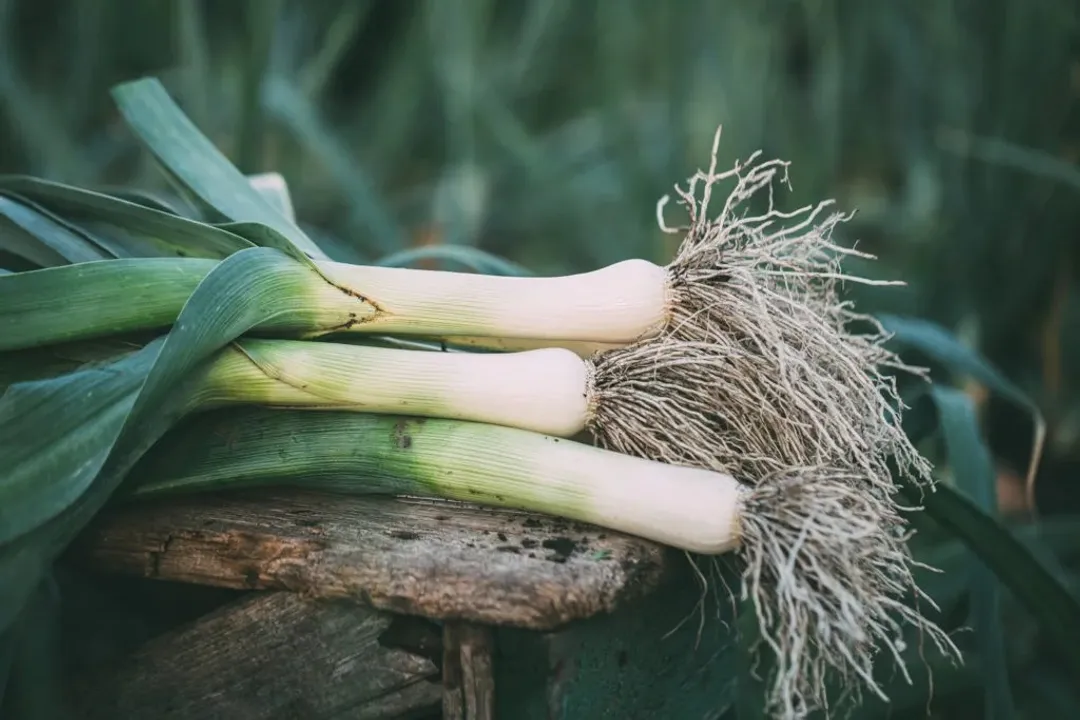
For many individuals, the problem with alliums boils down to their significant fiber content, specifically a type of carbohydrate known as fructans. [9] These compounds are classified as FODMAPs (Fermentable Oligosaccharides, Disaccharides, Monosaccharides, and Polyols). [9] Fructans are short-chain carbohydrates that can be poorly absorbed in the small intestine. [9]
When these undigested fructans reach the large intestine, they become a feast for resident gut bacteria, leading to fermentation. [9] This process, while natural, produces gas, which translates directly into symptoms like bloating, flatulence, and abdominal pain for sensitive individuals. [2][9] This reaction is particularly problematic for those diagnosed with Irritable Bowel Syndrome (IBS), where the gut is already hypersensitive to normal digestive pressures. [2][9] The reaction to alliums in this context is generally termed an intolerance rather than a true allergy, meaning the body reacts poorly to the substance itself rather than mounting an immune defense against it. [2]
It is helpful to note the difference in concentration. While garlic is very high in fructans, other alliums vary. For instance, the green, leafy parts of scallions or chives often contain considerably less fructan than the white bulb portions, offering a potential avenue for limited consumption if the issue is strictly FODMAP related. [9] This distinction between the bulb and the stalk is a key piece of practical knowledge when navigating a low-FODMAP plan. [9]
# True Allergy
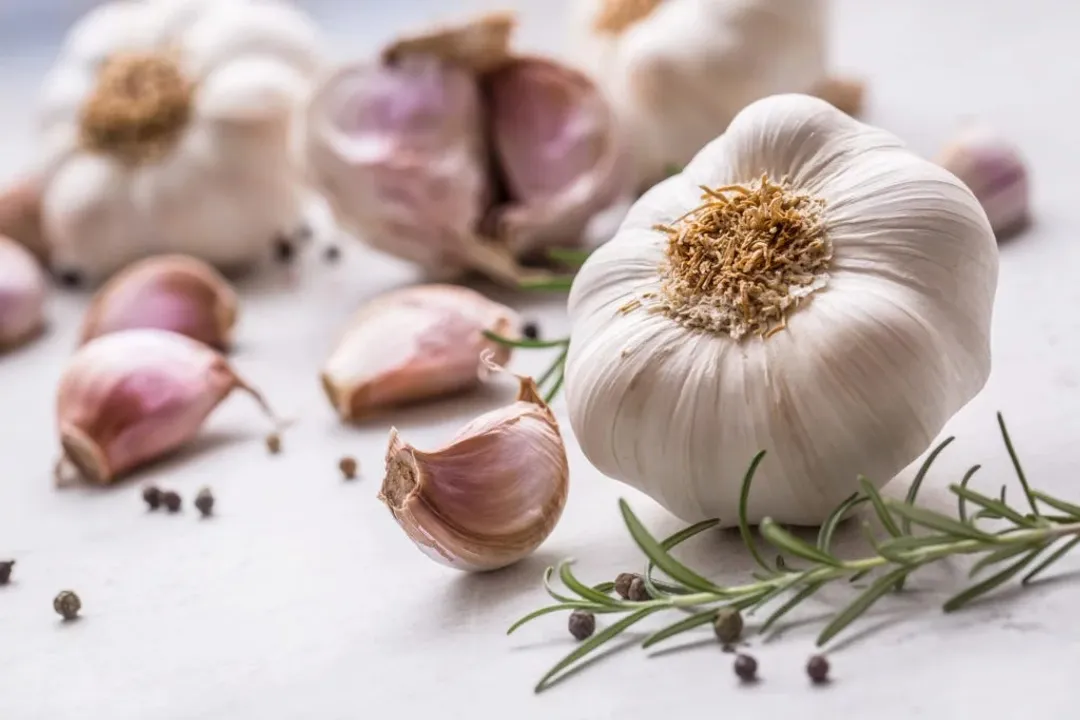
While intolerance related to fructans is common, a true allergy to onions and garlic does exist, though it may be less frequently discussed than other food allergies. [3][7] A genuine food allergy involves the immune system mistakenly identifying proteins in the food as a threat. [7] This triggers the release of chemicals like histamine, resulting in an allergic cascade. [7]
The symptoms of an allium allergy can be much more immediate and severe than digestive upset from intolerance. [7] Reactions can manifest as hives, swelling of the mouth or throat, vomiting, and in the most serious cases, anaphylaxis, which is a life-threatening emergency. [7] Because these reactions are IgE-mediated, they are less dependent on the quantity consumed compared to intolerances; even a trace amount could potentially trigger a severe response in a highly sensitized person. [3][7] Furthermore, the allergenic proteins might survive the cooking process, meaning that while cooking might mitigate fructan issues, it offers little protection against a true protein allergy. [3]
# Spiritual Dieting
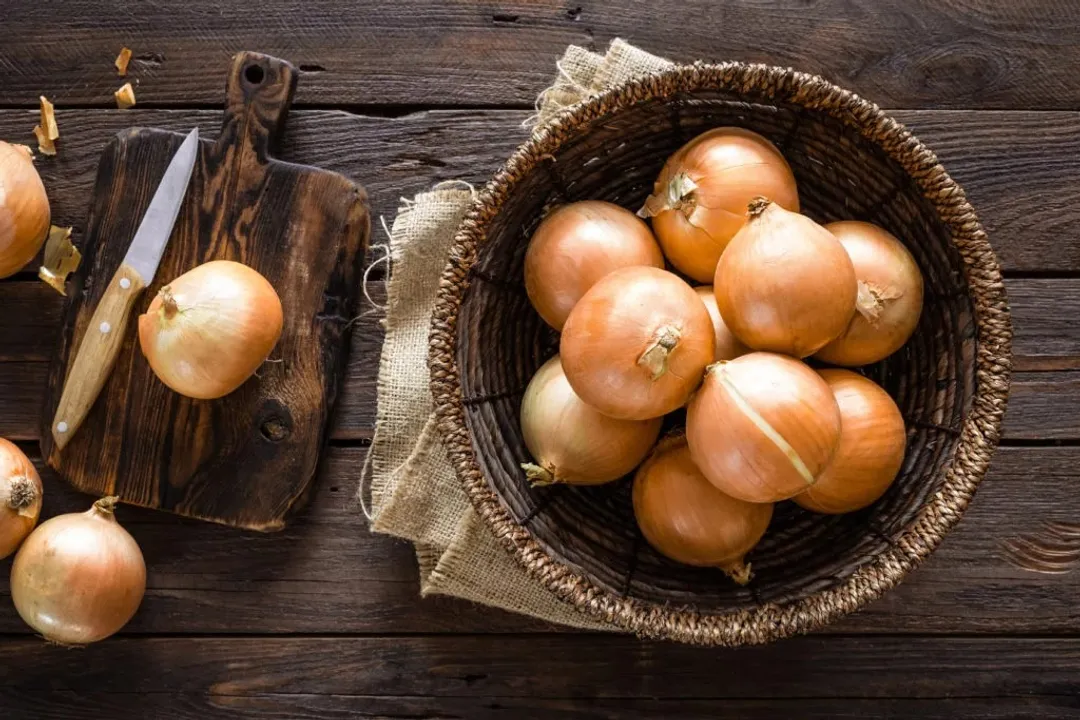
Moving away from the biological triggers, some traditions advocate avoiding alliums for reasons tied to mental and spiritual states. [6] Within the framework of Ayurvedic principles, foods are often categorized by their effect on the mind and body, with alliums, including onions and garlic, generally being discouraged for regular consumption. [6] These vegetables are often deemed rajasic or tamasic—foods believed to increase passion, agitation, sexual desire, or dullness/lethargy, thereby interfering with the pursuit of clarity and tranquility. [6]
This concept extends into certain branches of Buddhism, where some monastic orders abstain from eating onions and garlic. [4] The reasoning cited often revolves around maintaining mental composure. Eating these pungent vegetables is thought to stir up the passions or lead to mental turbidity, making meditation and focused practice more challenging. [4][5] While interpretations vary across Buddhist schools, the underlying principle is maintaining a clear, unagitated state suitable for spiritual discipline. [4][5] It's a fascinating contrast: for one person, avoiding garlic might ease a bloated gut, while for another, it is about easing an agitated mind. [6]
# Hidden Presence
One significant challenge when trying to eliminate alliums stems from their remarkable ability to enhance savory flavor profiles, meaning they are embedded deeply within processed and prepared foods. [3] They are not always listed simply as "onion" or "garlic" on ingredient labels. [3]
If you are avoiding alliums for medical reasons, recognizing their aliases is crucial. They can hide under terms like:
`flavorings``spices``vegetable broth``natural flavor`[3]
Moreover, related compounds, such as asafetida, which is derived from a species of giant fennel but is often used as a substitute for onion and garlic flavor, is also avoided by some individuals with allium sensitivity, especially those following certain Ayurvedic or Jain dietary guidelines. [1] This illustrates how the flavor compound profile, often sulfur-based, is what practitioners are trying to eliminate, not just the whole vegetable. [1]
If a person is cooking at home, the substitution is straightforward, but when eating out, the hidden nature of these ingredients becomes the primary obstacle to adherence. [3] A simple sauce or seasoning blend can quickly undermine efforts to maintain an allium-free diet, whether the goal is digestive ease or spiritual focus. [1][2]
# Flavor Strategy
When the primary reason for avoidance is not a severe allergy, but rather an intolerance or a spiritual choice, the culinary challenge becomes how to build a savory base without the familiar pungency of the allium family. [9] In many Western and South Asian dishes, onions and garlic form the aromatic foundation, often called the soffritto or tadka. [6]
To rebuild that depth without relying on the whole vegetables, one might focus on other aromatic compounds that provide savory depth without the high fructan load or the intense spiritual "heat" attributed to onions and garlic. [1][6] For example, focusing on herbs and slow-cooked elements can help. While garlic powder is a no-go for many, a very judicious use of asafoetida mixed with oil—often used in Indian cooking when alliums are prohibited—can mimic some of the savory base flavor, though it must be used sparingly as it is potent. [1]
A helpful kitchen approach for those managing FODMAP issues, where the bulb is the main culprit, is to experiment with the green tops of scallions or chives. Since fructans are concentrated in the bulb, the green stalks often pass muster in small quantities, offering a fresh, onion-like garnish without triggering significant symptoms. [9] This contrasts sharply with strict allergy avoidance, where any part of the plant must be excluded. [7]
# Deciding Avoidance Level
Navigating whether to avoid alliums entirely, or just restrict them, often depends on pinpointing the exact nature of the negative reaction. If you suspect an issue, a systematic approach can clarify the path forward, offering an alternative to blanket elimination. [2][9]
Here is a simplified mental checklist for determining the necessary level of avoidance:
- Immune System Test: Do I experience hives, rapid swelling, breathing difficulty, or near-instant nausea after consuming even a tiny amount?
- If Yes: This points strongly toward a true Allergy. Complete, strict avoidance of all allium proteins is necessary, regardless of cooking method. [7]
- Digestive Tolerance Test: Do I experience bloating, gas, or cramping hours after eating a large serving of onion or garlic, particularly if I also have diagnosed IBS?
- Mental State Check: Do I find that eating pungent foods correlates with increased restlessness, agitation, or difficulty focusing on meditation or calm activities?
- If Yes: This aligns with Spiritual/Ayurvedic guidelines. Adherence here usually requires complete avoidance to maintain mental equanimity, as the goal is to avoid the energetic effect, not just the physical byproduct. [6]
Understanding the "why" behind the avoidance dictates the "how" of dietary management. A person adhering to a Buddhist monastic vow cannot substitute asafoetida or eat the green tops if the primary goal is spiritual purity, whereas a person with IBS might find relief simply by switching from raw onion to thoroughly cooked garlic paste in their meals. [4][9] Being precise about the reaction allows for the most nuanced and sustainable dietary choice. [3]
Related Questions
#Citations
Why No Garlic or Onions: Reasons to Avoid Allium and Asafetida
Allium Intolerance | Symptoms and Testing - YorkTest
What are Allium Allergies and Why are They Hidden?
Why are some Buddhist monks against eating onions and garlic?
Why I can never eat onions or garlic again - Popular Science
Why No Garlic or Onions? - Food - Krishna.com
Onion and Garlic Allergy | Anaphylaxis UK
cooking without onions and garlic due to allergy - Facebook
All things allium on the low FODMAP diet - Noisy Guts