What does pawpaw do to the body?
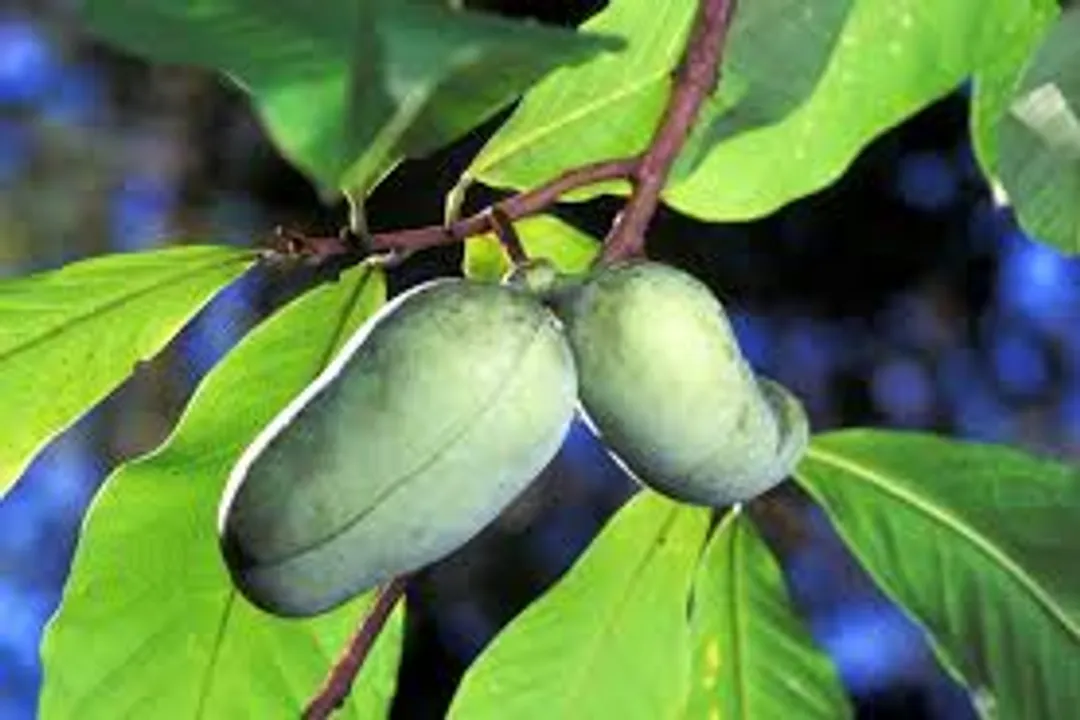
The fruit known as pawpaw occupies a unique niche in the world of North American produce. It is the largest edible fruit native to both the United States and Canada, a fact that often surprises those accustomed to supermarket offerings where it remains largely absent. [2][3] This relative obscurity is partly due to its short shelf life and the fact that it grows wild across a specific range extending from northern Florida up to southern Ontario and west to eastern Nebraska. [1][2] For many, encountering a pawpaw means foraging in the wild or visiting a specialty market when the harvest season hits, typically from late August through mid-October in regions like Kentucky. [1][3]
# Flavor Profile
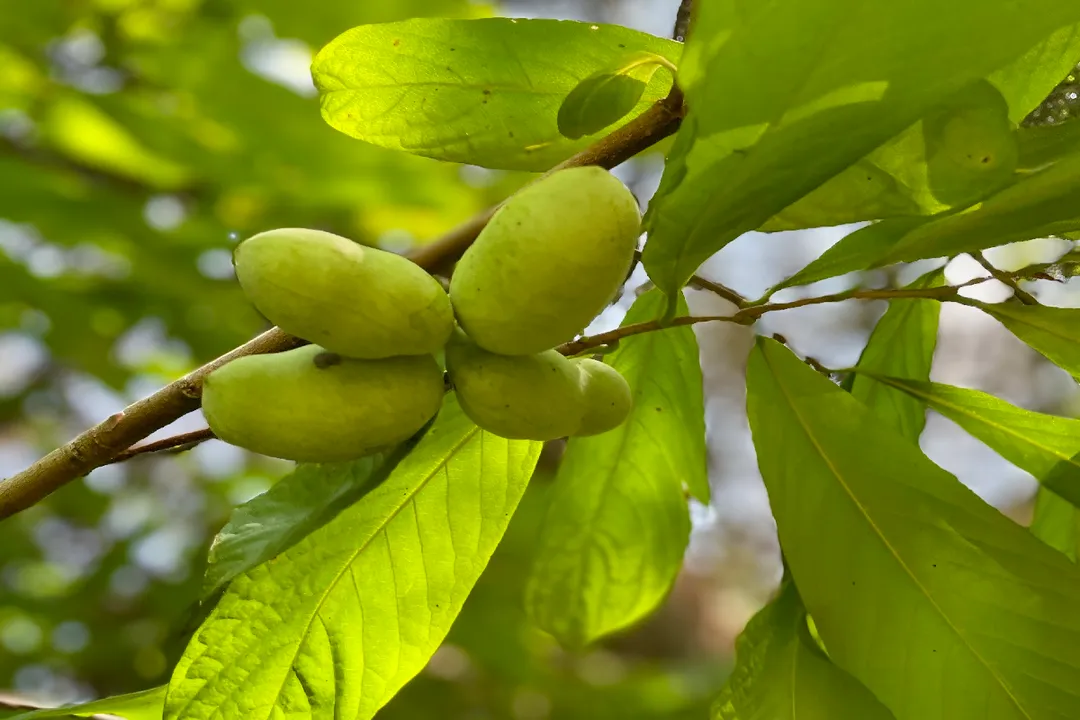
The taste of the pawpaw is what truly sets it apart, often described as a tropical confection. Enthusiasts frequently report that its flavor is a blend incorporating notes of banana, mango, and sometimes pineapple or berries. [1][3] This complex profile has earned it affectionate nicknames such as "Kentucky banana" or "poor man's banana". [1][2] The texture perfectly complements this taste, offering a creamy, custard-like consistency when the fruit is perfectly ripe. [1][3] Just like judging an avocado or a peach, ripeness is best confirmed by a gentle squeeze—it should yield slightly to pressure and emit a strong, pleasant, and floral aroma. [1][2] Immature fruits are light green, while ripeness can bring on a yellowish hue with dark flecks, similar to a banana’s skin. [1][3] The skin itself is generally regarded as bitter and is usually discarded. [2]
# Nutritional Composition
From a nutritional standpoint, the pawpaw holds its own against more common fruits, often equaling or exceeding them in several key areas. [1] It mirrors the banana closely in overall composition, sharing similar calorie and dietary fiber counts. [1] A 100-gram serving, which often includes the skin in analysis, contains about 80 calories, 1.2 grams of protein, and 1.2 grams of fat. [2] However, where the pawpaw truly shines is in its mineral density.
When comparing 100 grams of pawpaw pulp (including skin for this data set) against a banana, apple, or orange, the numbers reveal a powerhouse profile. [1] Pawpaw contains substantially more calcium than orange, and significantly more phosphorus, magnesium, iron, zinc, copper, and manganese than its counterparts. [1] For instance, a 100-gram serving provides about 35.9% of the Daily Value (DV) for magnesium and an astonishing 113% of the DV for manganese. [1][3] To put that manganese figure into perspective, it represents a concentration far beyond that found in typical dietary staples like apples or bananas. [1] While it has less Vitamin C than an orange, it boasts roughly three times the Vitamin C found in an apple and double that of a banana. [1][3] Furthermore, the protein present in the pawpaw fruit is notable because it contains all of the essential amino acids, exceeding apples in every one and matching or surpassing bananas and oranges in most. [1]
It is worth noting that the fat profile is also interesting. Pawpaw fat is composed of 40% monounsaturated fatty acids, a profile often considered preferable to that of the banana, which contains a higher percentage of saturated fats. [1]
# Data Deep Dive
To better understand its internal density, we can look closer at the mineral content as a percentage of daily needs per 100 grams: [1]
| Mineral | Pawpaw (% DV) | Banana (% DV) | Orange (% DV) |
|---|---|---|---|
| Magnesium | 35.9 | 9.2 | 3.2 |
| Iron | 39 | 2.5 | 0.8 |
| Copper | 22.2 | 4.6 | 2.0 |
| Manganese | >74.3 | 4.3 | 0.7 |
Note: Iron content is listed as 39% of DV in one source, [3] and 56% of DV in another analysis for the same 100g serving (including skin). [1] These variations underscore the importance of sourcing consistency, but the relative superiority of pawpaw in these minerals remains clear.
This fruit’s high concentration of minerals like manganese, which is vital for nutrient metabolism and skeletal health, suggests that even small inclusions in the diet could have a notable impact on micronutrient intake, especially for those who struggle to meet recommended daily levels of magnesium. [1][3] It’s a dense package of nutrition, even if one must discard the skin, which contains some of the fiber and fat according to analysis. [1]

# Health Properties
Beyond basic nutrition, pawpaws contain various plant compounds that contribute to potential health effects. These include phenolic compounds like epigallocatechin, epicatechin, chlorogenic acid, and p-coumaric acid, all recognized for possessing antioxidant and anti-inflammatory properties. [3] While the antioxidant levels in pawpaw are comparable to fruits like guava and bananas, the research specifically focused on pawpaw’s anti-inflammatory role is not as extensive. [3] Interestingly, some findings suggest that the antioxidant content might diminish as the fruit moves from green to fully ripe. [3]
One area of significant, though preliminary, interest involves compounds called acetogenins. These phytochemicals are found in the twigs, bark, and leaves of the pawpaw tree, and have also been detected in the fruit. [2] In studies involving mice, acetogenins have been observed to potentially lower the production of adenosine triphosphate (ATP), which is the primary energy source for cells—and, in some contexts, can promote tumor growth. [2] This has led to speculation about potential anti-cancer effects, though scientific testing in humans is lacking, and results in mice have been mixed. [2]
A more direct, although small-scale, application of acetogenins involves pest control. Extracts containing these compounds have shown efficacy against head lice and their nits. In one small study noted, a significant majority of participants using a pawpaw extract-based herbal shampoo successfully eliminated their infestation. [2]
# Safety and Concerns
The conversation around pawpaw benefits must be balanced with a discussion of its potential risks, which are primarily linked to those same acetogenins. [2] The pawpaw fruit contains a chemical called annonacin, which has been identified as potentially toxic to nerve cells and capable of affecting brain function. [2] Because of this potential neurotoxicity, medical professionals generally advise that pregnant individuals avoid consuming pawpaw fruit. [2]
For the general consumer, mild reactions can occur, which may manifest as allergic responses, vomiting, or symptoms associated with neurotoxicity, such as blurry vision, headaches, or limb weakness. [2] If an adverse reaction is noted, stopping consumption is the immediate necessary step. [2] This inherent botanical complexity—containing both beneficial antioxidants and potentially neurotoxic compounds—is a key characteristic of this wild fruit.
# Consumption Logistics
Successfully incorporating pawpaw into the diet requires understanding its ephemeral nature. Foragers or growers must wait until late August or early autumn for the fruit to ripen. [1][2] Once perfectly ripe—soft to the touch and strongly aromatic—the fruit is extremely perishable, often lasting only a few days at room temperature. [1][2] Refrigeration can extend this period to about a week. [2] For long-term storage, the ripe flesh can be pureed after removing the seeds and skin, then frozen. [1][2]
If you manage to secure unripe fruit, refrigeration can hold it for up to three weeks before you allow it to finish ripening at room temperature. [1][2] Generally, the best way to experience the delicate, tropical flavor is to eat it raw; simply cut it open and scoop out the yellow flesh, discarding the seeds. [2][3] Because high heat can destroy its unique flavor, the fruit is best suited for preparations that require little or no cooking, such as homemade ice cream, mousse, or sorbet. [3]
An important operational consideration for those inspired to cultivate this fruit is patience. If you choose to plant a pawpaw tree, you should anticipate a wait of up to seven years before it begins producing fruit. [3] Furthermore, to ensure adequate cross-pollination and fruit set, planting two or more unrelated trees is recommended. [1] Considering these factors—the short harvest window, the storage challenge, and the multi-year commitment to cultivation—it becomes clear why pawpaw remains a seasonal delicacy rather than a year-round staple for most of the population. [3]
# Cultivar Selection
The fact that there are at least 27 recognized varieties available from commercial nurseries highlights that flavor and texture are not uniform across the species. [1][2] Cultivars like 'Davis,' 'Overleese,' and 'Sunflower' represent intentional efforts to select for optimal taste and texture traits. [1] This suggests that the home grower or dedicated consumer might experience wildly different flavors depending on which cultivar they seek out or forage. [3]
As a practical tip for the aspiring consumer, when sourcing pawpaws from a grower, asking about the cultivar and its parentage can provide clues about its expected sweetness or texture, much like inquiring about the origin of an apple variety in an orchard. [1] If you live in the native range, participating in local foraging—while being mindful of ripeness and identification—is the most immediate way to experience this fruit as intended by nature. Always remember to verify which specific type of pawpaw you are consuming or growing, as the general health profile for the Asimina triloba may not perfectly map onto all related fruits in the Annonaceae family, which includes tropical species like soursop or cherimoya. [3] Focusing solely on the native fruit allows us to appreciate its distinct nutritional gift, especially its phenomenal mineral density, while respecting the required precautions regarding its more potent chemical constituents. [2]
Related Questions
#Citations
Health Benefits of Pawpaw Fruit - WebMD
What Is Pawpaw Fruit? Nutrition, Benefits, and How to Find It
Pawpaw Description and Nutritional Information