What are the most effective repellents?
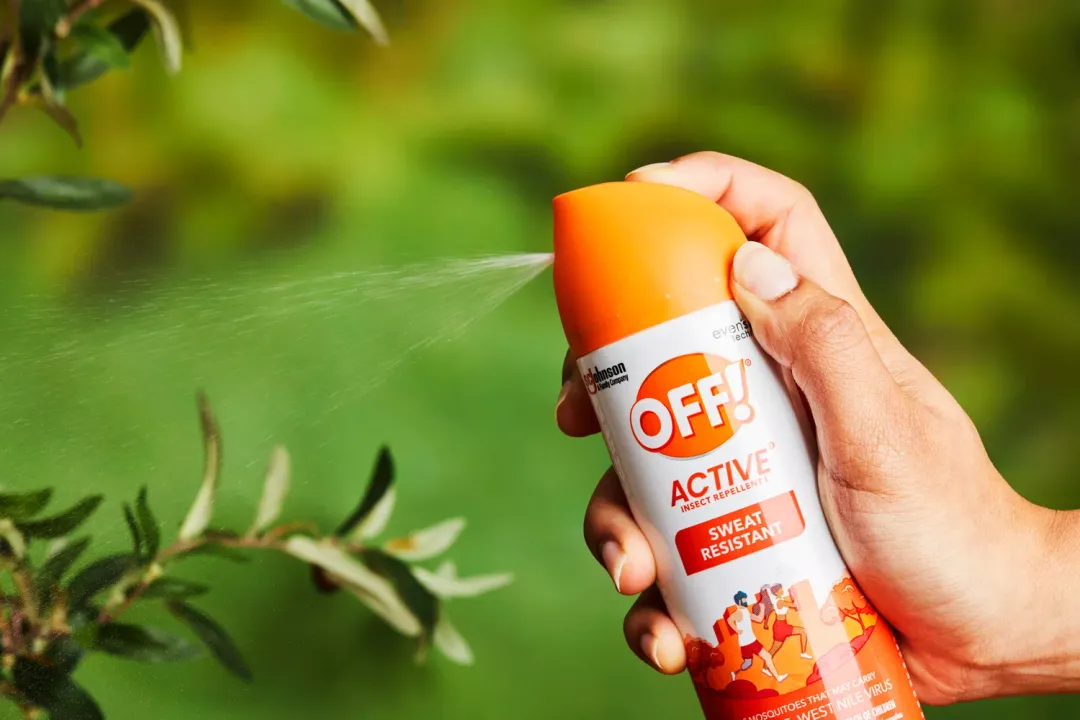
The constant buzz and the sudden, itchy welts are unwelcome intrusions on any outdoor activity, making the search for the most effective insect repellent a practical necessity rather than a luxury. Understanding what actually works, and why, involves looking past marketing claims to the active ingredients approved by health and environmental agencies. [6][9] The consensus points toward a few scientifically proven compounds that reliably keep biting insects at bay, though the best choice often depends on personal preference for scent, feel, and the duration of protection needed. [1][4]
# Effective Ingredients
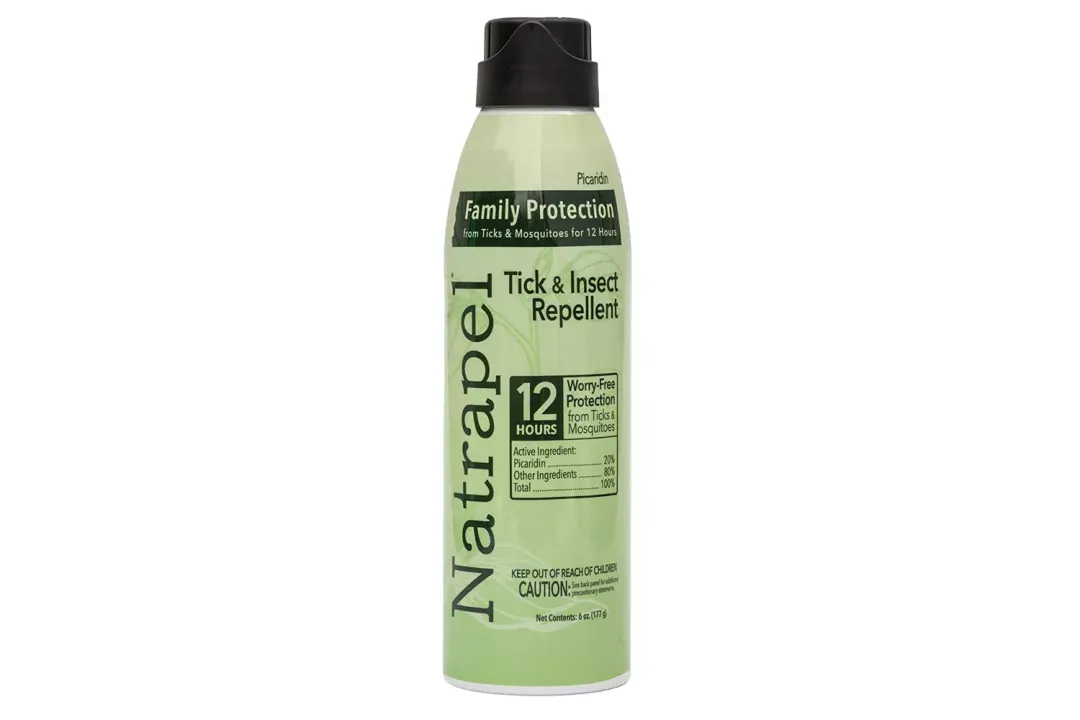
When seeking reliable insect defense, the Environmental Protection Agency (EPA) maintains a list of active ingredients registered for use in repellents, meaning they have been scrutinized for safety and efficacy when used as directed. [9] These registered substances form the backbone of nearly all effective commercial products. [6] Among the most common and highly regarded are DEET, Picaridin, Oil of Lemon Eucalyptus (OLE), and IR3535. [1][5]
Comparing the leading synthetic options, DEET (N,N-diethyl-meta-toluamide) and Picaridin have long been the gold standards for broad-spectrum protection against mosquitoes, ticks, and biting flies. [8] Oil of Lemon Eucalyptus, or para-menthane-3,8-diol (PMD), stands out as the only plant-based active ingredient recommended by the Centers for Disease Control and Prevention (CDC) for protection similar to lower concentrations of DEET. [4][2]
The effectiveness isn't just about what is in the bottle, but the concentration. A higher percentage of an active ingredient generally translates to longer-lasting protection, but it doesn't necessarily make the product more effective at repelling bugs on contact. [1] For instance, a 10% DEET product and a 30% DEET product will both effectively repel mosquitoes when first applied; the 30% version simply lasts for a longer period before reapplication is necessary. [5]
# DEET Power
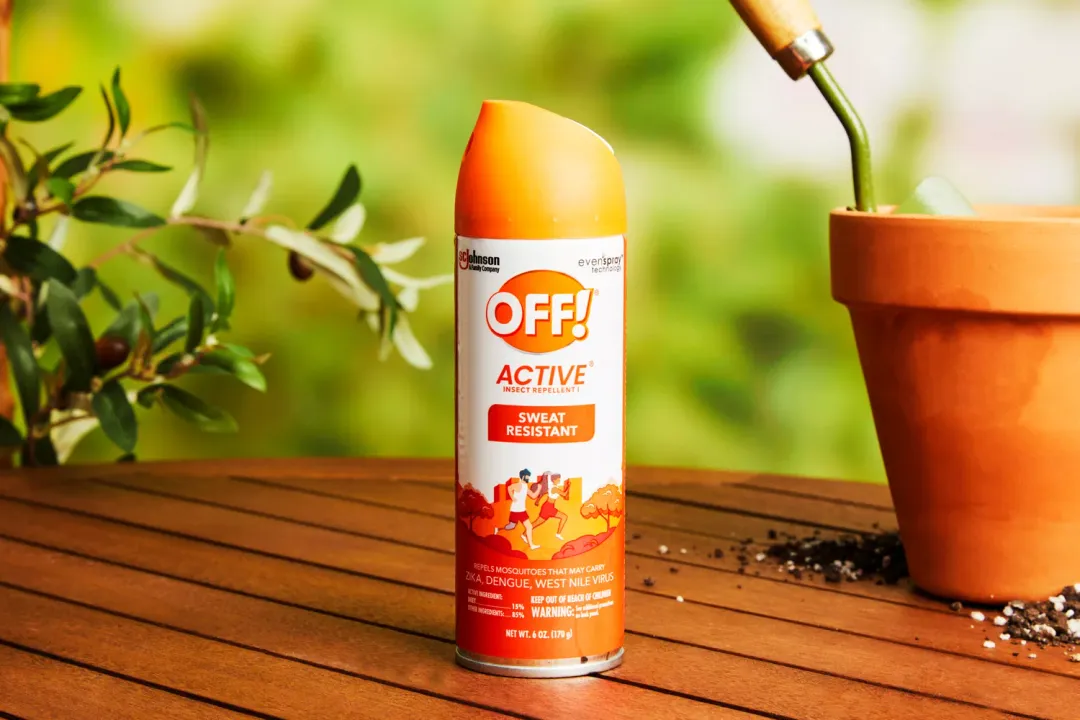
DEET has been the benchmark for insect repellency for decades, known for its powerful and consistent performance against a wide array of biting pests. [8] It works by confusing insects' olfactory receptors, making it difficult for them to locate their target host. [1] Concentrations can range widely, often from 5% up to 100%. [5] Higher concentrations, such as 30% or more, are often favored by hikers or those venturing into areas with heavy insect populations because they provide extended protection times—sometimes up to eight hours—reducing the need for frequent reapplication. [1][3]
However, DEET carries some drawbacks that lead many consumers to seek alternatives. It possesses a distinct, sometimes strong odor that some users find unpleasant. [8] Furthermore, DEET can degrade certain plastics, vinyl, and synthetic fabrics, meaning care must be taken when applying it near sunglasses, watch bands, or certain technical gear. [1][8] While concentrations above 50% offer very long protection, they don't necessarily provide significantly better immediate repellency than a 30% formulation, leading many experts to suggest that 30% is often the practical maximum for general use. [4]

# Picaridin Benefits
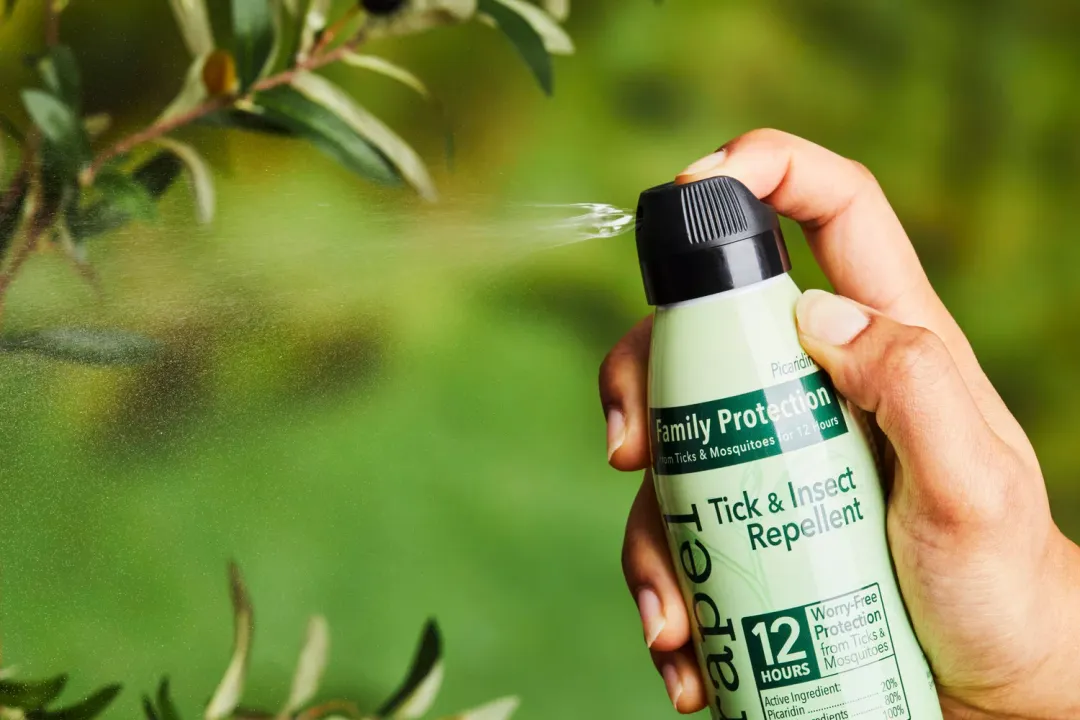
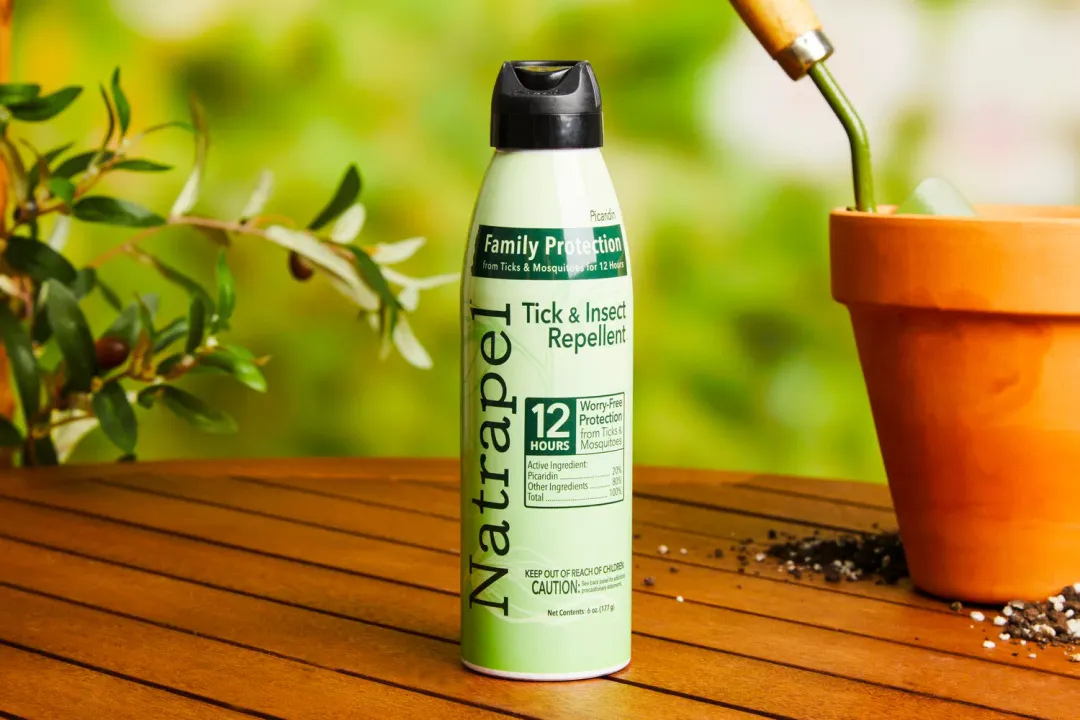
Picaridin is often presented as the modern counterpoint to DEET, offering comparable protection without some of its aesthetic drawbacks. [8] Formulations containing 20% Picaridin have been shown to offer protection times that rival or even exceed those of 15% to 20% DEET, depending on the specific insect. [8][5] A significant advantage cited for Picaridin is its lack of damaging effects on plastics and synthetic materials, making it a friendlier option for gear and electronics. [8]
Unlike DEET, Picaridin is generally considered to be nearly odorless, or at least to have a much milder scent, which is a major factor in user preference. [4][8] It also tends to feel less greasy on the skin than many DEET products. [8] While DEET is effective against mosquitoes, ticks, chiggers, and biting flies, Picaridin is specifically noted for its excellent performance against ticks, a critical feature for anyone spending time in wooded or grassy environments. [5][8]
# Natural Choices
For those prioritizing naturally derived ingredients, Oil of Lemon Eucalyptus (OLE) is the leading choice, distinct from lemon eucalyptus essential oil which is less regulated and less effective. [2][4] OLE, specifically the CDC-recommended PMD version, can provide protection times similar to low-concentration DEET products, lasting up to six hours. [4] It is important to note that OLE is not recommended for children under three years old. [4][5]
Other plant-based options, such as those containing citronella, peppermint, or clove oil, are often found in natural repellent products. [2] While these oils can offer some protection, their efficacy is generally shorter-lived and less consistent compared to the EPA-registered chemicals, often requiring reapplication every hour or two. [2][5] If you are only dealing with very light exposure or brief periods outdoors, these might suffice, but for serious pest control, the data strongly favors OLE, DEET, or Picaridin. [5]
If you find yourself in an area where you must rely on non-synthetic products for an extended period, a tactical consideration is to carry a low-concentration OLE product for routine reapplication and use a short-burst spray of a stronger chemical repellent only when insect density becomes unmanageable. [7] This balances comfort with necessity, a trade-off many experienced outdoor enthusiasts make.

# Application Tactics
Regardless of the active ingredient chosen, how you apply the repellent is as crucial as what you choose. [1] Most experts suggest applying repellent to all exposed skin, but not underneath clothing. [1] A common user error is under-application, especially when dealing with hard-to-reach spots or when trying to make a bottle last longer.
A practical application checklist can ensure comprehensive coverage:
- Apply to exposed skin only. Do not spray directly onto the face; spray hands first and then carefully rub the repellent onto the face, avoiding eyes and mouth. [1]
- For children, apply to your own hands first and then rub onto the child, avoiding their hands entirely, as children often put their hands in their mouths. [1]
- For areas where clothing fits loosely (like socks or cuffs), applying the repellent over the fabric can sometimes provide a localized barrier, though effectiveness against crawling insects like ticks is better achieved by treating exposed skin and clothing seams directly with permethrin, which is an insecticide applied to gear, not skin. [1][5]
Here is an area where personal experience often diverges from guidelines: considering the microclimate of your activity. If you are sweating heavily or are in a high-humidity environment, even a 30% DEET product might lose effectiveness faster than its label suggests because sweat physically washes the active ingredient away. [3] In these hot, damp conditions, plan to reapply at least every two to four hours, even if the product claims six to eight hours of protection, as that timeframe is usually based on laboratory or low-activity conditions. [1]
# Material Concerns
A critical, often overlooked aspect of repellent use involves its interaction with personal items and clothing. While many users worry about skin safety, the damage repellents can cause to plastics and synthetics is a common source of frustration. [8] DEET is notorious for dissolving or softening materials like acetate, rayon, spandex, and vinyl. [1][8] This means applying DEET-heavy sprays near the grips of trekking poles, expensive polarized sunglasses, or breathable mesh panels on backpacks can lead to degradation over time. [8]
This chemical interaction introduces an interesting application consideration that goes beyond simple skin coverage. When packing for a long trip, if you are relying on a DEET product, consider placing sensitive electronics or prescription glasses in dedicated hard cases rather than leaving them loosely in a pack side pocket where spray residue might settle. [1] Picaridin, being non-damaging to plastics, offers a significant convenience factor in this regard, allowing users to be less meticulous about overspray near gear. [8] This difference in material compatibility is often the deciding factor for campers and long-term travelers when selecting between the two leading synthetic agents.

# Duration Metrics
When assessing the "most effective" repellent, duration is a primary metric, yet it is often misrepresented by manufacturers. Protection time is highly dependent on the concentration of the active ingredient, as well as environmental factors like temperature, humidity, wind, and physical activity. [1][5]
For example, data suggests that a product with 15% DEET provides about 5 hours of protection against mosquitoes under typical field conditions, whereas a 34% formulation might push that closer to 8 hours. [1][5] Picaridin at 20% often mirrors the performance of moderate DEET concentrations. [8]
It is helpful to approach these numbers with skepticism and a focus on reapplication timing. If a product claims 8 hours of protection, treat that as the maximum possible duration in ideal conditions. A better strategy is to treat the half-life of the protection—that is, the time until protection has measurably decreased, requiring a refresh. [3] For high-risk activities like hiking in known disease-carrying tick areas, prioritizing a high concentration of a known effective ingredient, like 30% DEET or 20% Picaridin, and setting a two-to-four-hour alarm for reapplication remains the most authoritative path to safety. [6]
# Final Selection
Choosing the best repellent is inherently personal, balancing proven chemical protection against application comfort and gear safety. [4] For maximum, long-lasting defense, particularly in environments where disease-carrying insects are a concern, registered synthetic ingredients like DEET or Picaridin are the established choices. [6][8] If skin feel and gear compatibility are paramount, Picaridin is often favored due to its low odor and lack of plastic-damaging properties. [8] If a plant-based option is strictly required, Oil of Lemon Eucalyptus (PMD) offers the most scientifically validated alternative, provided the user is over the age of three and prepared for more frequent reapplication than with the top synthetics. [2][4] The most effective repellent is ultimately the one you will apply correctly and consistently according to the specific demands of your outing.
Related Questions
#Citations
Insect Repellent Guide: Deet vs. Picardin | REI Expert Advice
We Tried It: What Are the Best Natural Mosquito Repellents?
What is the best possible mosquito repellent anyone can recommend?
The 4 Best Bug Repellents and Sprays of 2026 - ny times
The 7 Best Bug Repellents of 2025, Tested and Reviewed
Repellents - American Mosquito Control Association
Best Bug Spray (2025), Tested and Reviewed - WIRED
Picaridin vs DEET: Which Is the Best Insect Repellent?
Find the Repellent that is Right for You | US EPA