Is Loganberry good for you?
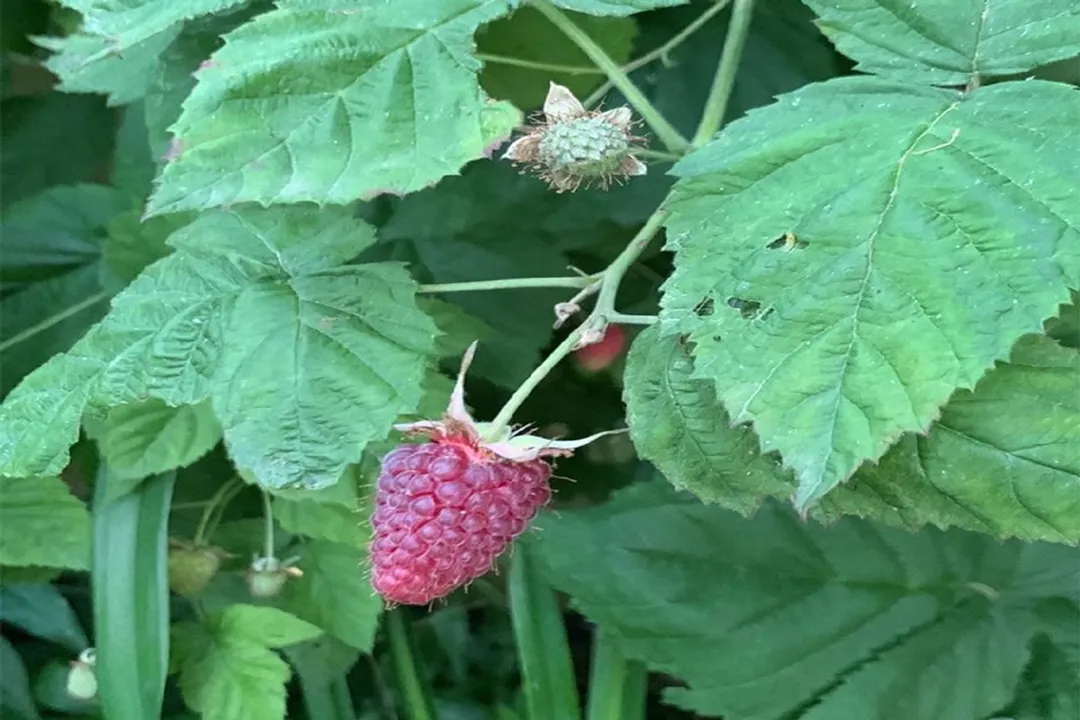
The loganberry, instantly recognizable by its deep, pointed cone shape, offers a compelling profile for anyone interested in functional foods. This fruit is not found in nature; rather, it is a deliberate hybrid—a cross between the common red raspberry and the sturdy blackberry. [3][1] Developed in Santa Cruz, California, by James Logan in the late 1800s, it carries the best attributes of its parents, though often with a distinct tartness that sets it apart from a pure raspberry. [3][1] Its unique flavor profile, being both more acidic and somewhat less inherently sweet than a raspberry, dictates much of its culinary handling, often requiring a touch of added sugar in sweet applications. [1] Nevertheless, beneath that sharp exterior lies a significant concentration of beneficial compounds, making the loganberry a fruit worth seeking out for both flavor experimentation and nutritional gain.
# Nutritional Snapshot

When evaluating any fruit for its health merits, a look at its raw composition is essential. For a 100-gram serving of frozen loganberries, the caloric content is quite modest, clocking in at just 55 kcal. [1] This places it as a low-calorie fruit option. Examining the macronutrient breakdown reveals that the majority of the energy comes from carbohydrates, with about 13 grams total, which includes 5.3 grams of dietary fiber. [1] This fiber content is notable, ranking it higher in fiber than 83% of other foods analyzed. [1] Importantly, it is extremely low in fat, containing only about 0.31 grams per 100g, with virtually no saturated fat or cholesterol present, and no trans fats whatsoever. [1]
Loganberries also have a surprisingly alkaline effect on the body, registering a Potential Renal Acid Load (PRAL) of -2.2. [1] This means that once digested, they contribute to alkalinity, which is often a desired characteristic in a balanced diet aimed at mitigating general systemic acidity. [1]
# Key Vitamins Manganese
Where loganberries truly shine is in their micronutrient density. They are a high source of Vitamin C, delivering approximately 15 mg per 100g, which is about 17% of the recommended daily value and places it in the top 21% of foods for this vitamin. [1][4] Vitamin C is the famed antioxidant that supports the immune system and is necessary for producing collagen, vital for the structure of skin, bones, and blood vessels. [3][4] Historically, this characteristic was so valued that the British navy once depended on loganberries to help prevent scurvy among sailors. [1]
Another standout mineral is Manganese, present at 1.2 mg in the same serving, which exceeds the recommended daily intake for many, ranking it in the top 31% of foods for this mineral. [1] Manganese is crucial for the metabolism of proteins, carbohydrates, and cholesterol, and it plays a hand in maintaining a healthy immune system and building strong bones. [3] In fact, it works closely with Vitamin K to assist in the body’s wound-healing processes. [3]
It is fascinating to compare the berry's taste profile with its nutritional impact. The noticeable tartness that requires a bit of sugar for dessert perfection is the very characteristic that signals the presence of high levels of beneficial compounds like Vitamin C and acidity-balancing minerals like Manganese. [1] This suggests that the loganberry provides a genuine trade-off: you are actively balancing a sharper, less immediately sweet flavor for a greater concentration of specific protective nutrients that are sometimes diluted in sweeter fruits. [2][4]
# Digestive System Support
The high concentration of dietary fiber in loganberries contributes significantly to digestive wellness. [4] Fiber is fundamental for keeping the digestive tract functioning smoothly, promoting regularity, and helping to avert constipation. [4] Beyond simple movement, this fiber acts as a prebiotic, supporting the growth of beneficial bacteria within the gut microbiome. [4] Furthermore, the fiber assists the body’s natural detoxification pathways by binding to waste products and toxins, helping to move them out of the system more efficiently. [4]

# Heart Vision Brain Health
The deep coloration of the loganberry is a visual cue to its richness in antioxidants, including potent compounds known as anthocyanins. [4] These substances are celebrated for their ability to combat oxidative stress throughout the body, a process linked to the development of chronic diseases. [4] Specifically, these compounds are associated with improved cardiovascular health and the reduction of inflammation. [4]
Several other nutrients support major organ systems:
- Vitamin E functions as an antioxidant that specifically supports heart health, vision, and overall brain health, while also helping to prevent the formation of blood clots. [3]
- Folate (Vitamin B9) is necessary for the creation of new DNA and RNA and is vital for forming healthy red blood cells. [3] Adequate folate intake supports brain health, aids in cardiovascular function, and is particularly crucial during pregnancy to help prevent neural tube defects in the developing baby. [3][4]
- Iron, another component, is indispensable for red blood cells to carry oxygen effectively throughout the body, combating fatigue often associated with deficiency. [3]
# Culinary Adaptation
While loganberries are technically edible when eaten raw, their culinary strength lies in their adaptability to both sweet and savory preparations, often capitalizing on their tartness. [3][1] In the realm of sweets, they translate beautifully into homemade jams, jellies, pies, and pastries. [3][1] For those seeking a more unique application, they can be infused into spirits. The whole fruit can be left to macerate in cider vinegar, vodka, gin, or brandy in a sealed container for several weeks. [1] After straining, a small amount of sugar can be added if desired, and sometimes a bit of pith-free orange zest can be included during the infusion for added depth. [1]
In savory settings, their slight sharpness makes them excellent partners for richer meats. They can be incorporated into sauces designed to accompany game or duck, where the goal is often a sophisticated sweet-and-sour dynamic. [1][3]
# Sourcing Freshness Storage
The challenge with loganberries lies in their availability; they are generally in season during the late summer months, typically August and September. [1] Commercially, they are not widely distributed because they present difficulties associated with machine harvesting. [1] Unlike some softer berries, loganberries are not as delicate, so firmness isn't a perfect indicator of ripeness—the best test remains tasting them for that characteristic sharpness. [1]
Because of these commercial harvesting limitations, if you are eager to enjoy loganberries regularly, home cultivation or seeking them out at local, specialized venues becomes the most reliable strategy. If you find yourself near a pick-your-own farm during their short season, that is arguably the best way to secure a bulk supply. [2] When you do acquire them, the high Vitamin C content assists them in lasting longer than some other soft fruits, especially when stored correctly in the refrigerator. [1] For year-round enjoyment, opting for frozen packets is preferable to dried versions, as dried berries can lose significant phytonutrients and concentrate their sugar content. [2]
# Cautions Consumption Tips
Before consuming any fresh loganberries, thorough washing is essential to remove any residual dirt or potential small insects. [3] You can rinse them under cold water, or for added benefit and longevity, soak them briefly in a diluted vinegar solution, which can also help slow spoilage. [3] Should any mold be present, the berries must be discarded, as molded fruit should never be eaten. [3]
While they are generally healthy, individuals with existing gastrointestinal sensitivities should proceed with awareness. Although loganberries do not carry an excessive fructose load compared to some other fruits, they can still potentially trigger bloating, gas, or stomach discomfort in sensitive people. [3] Therefore, a good practice is to introduce them slowly, beginning with small portions to gauge your system’s reaction before incorporating them heavily into your regular rotation. [3] By respecting their tart nature and understanding their availability challenges, the loganberry remains a rewarding addition to a varied, health-conscious diet.
Related Questions
#Citations
Exploring the Benefits of Loganberry: Nutritional Value and Uses
Berry Good for Your Heart | Johns Hopkins Medicine
Health Benefits Of Loganberry
Loganberries nutrition: calories, carbs, GI, protein, fiber, fats
Loganberry - BBC Good Food