Is cucumber good for constipation?

Cucumbers certainly enter the conversation when discussing simple, refreshing ways to encourage smoother digestion. It is a common vegetable, technically a fruit, known for its cooling effect, but its real value for those struggling with digestive slowdown comes down to two main components: its exceptional water content and its fiber contribution. Constipation, often characterized by infrequent bowel movements or stool that is hard, dry, and difficult to pass, is frequently linked to inadequate fluid intake or low dietary fiber.
Cucumbers directly tackle two of these primary roadblocks. They are made up of approximately 95% to 96% water. This high water volume is critical because proper hydration helps keep the entire digestive tract, particularly the colon, moist. When you are well-hydrated, the stool remains softer, making the process of moving waste through the intestines easier and preventing the hardening that leads to uncomfortable blockages. If you find it challenging to drink enough plain water throughout the day, incorporating high-water foods like cucumber is an excellent, crunchy alternative for meeting fluid needs.
# Fiber Content
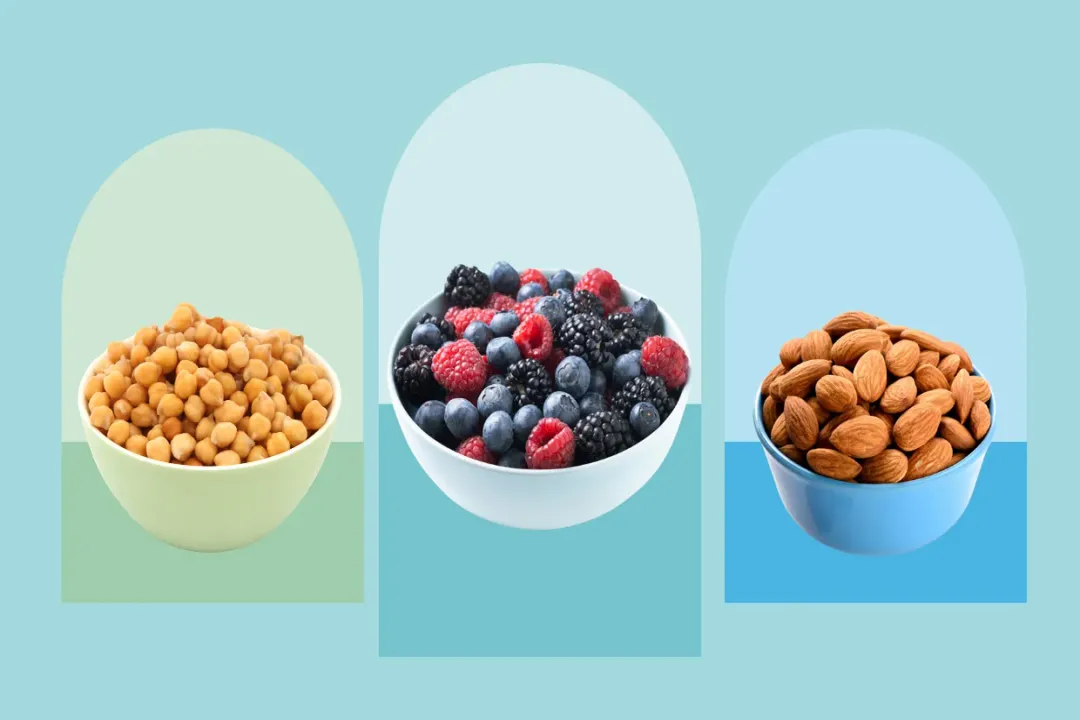
While the water content addresses the consistency of the stool, the fiber is what provides the necessary bulk and motility support. Cucumbers contain dietary fiber, which helps regulate bowel movements and keeps things running smoothly.
For maximum benefit in easing constipation, leaving the peel on is highly advised. Peeling a cucumber significantly reduces the amount of fiber, as well as some of the vitamins and minerals it provides. The type of fiber present also matters. Cucumbers contain pectin, which is a form of soluble fiber. Soluble fiber absorbs water, forming a soft, gel-like substance that aids in stool formation and can promote regularity by encouraging the growth of beneficial gut bacteria. Furthermore, this type of fiber has been shown in studies to speed up the movement of the intestinal muscles.
However, it is worth noting that while cucumbers contribute meaningfully to both hydration and fiber, they are not always classified among the highest fiber foods available. Their strength lies in the dual delivery of water and fiber in a very low-calorie package.
# Hydration Pairing
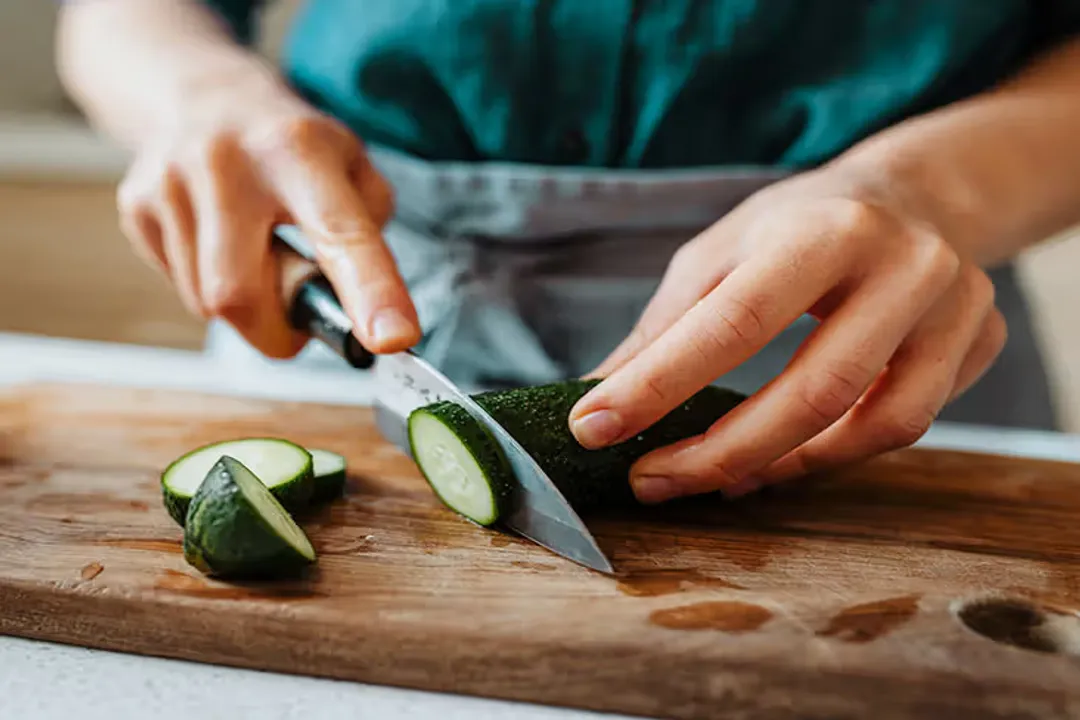
Many experts suggest that one of the best approaches to managing constipation involves increasing both fiber and fluid intake simultaneously. If you focus only on increasing fiber without enough water, you risk making the problem worse, as fiber needs fluid to move bulk through the system effectively. Cucumbers solve this inherent balancing act naturally. They provide the fluid needed to soften the stool while simultaneously delivering the fiber necessary to give that softened stool mass.
A simple way to make this a routine is by preparing cucumber-infused water. Slicing cucumbers, perhaps even pairing them with mint or lemon, and letting them sit in a pitcher of water can make staying hydrated more appealing, directly supporting the digestive tract. It’s about creating small, sustainable changes rather than relying on infrequent, large interventions.

# Vegetable Context
Cucumbers are not an isolated solution; they fit into a larger picture of digestive wellness. Constipation relief often involves a well-rounded diet rich in fruits, vegetables, and whole grains. For instance, when considering other water-rich vegetables that can help, you might look at lettuce or celery, which also contribute hydration.
An interesting point of comparison arises when looking at other fibrous aids. Foods like nuts offer both fiber and healthy fats that can lubricate the tract, but they are calorie-dense, requiring moderation. Cucumbers, conversely, offer substantial bulk and hydration for just a handful of calories—about 16 calories per cup of slices. This means one can consume a higher volume of cucumber to feel satiated and promote movement without the caloric load associated with some other fiber sources like dried fruits or nuts. This feature makes cucumbers particularly suitable for those managing weight alongside their digestive health.
# The Role of Peels and Preparation
As mentioned, the peel houses a significant amount of the beneficial fiber and nutrients, including vitamin K. If you are aiming for constipation relief, your preparation matters. You should wash them thoroughly and aim to consume them unpeeled. If you find raw cucumber unappealing, blending it into a smoothie is a great way to consume the whole item, peel and all, without the distinct crunch. For those who prefer a crunch, pairing slices with dips like hummus or simply eating them plain serves as an effective, low-effort snack replacement for less helpful, low-fiber options.
While the fresh fruit is beneficial, there is a note about fermented cucumbers, or pickles. True fermented pickles (made in a salt solution, not just vinegar) can contain probiotics—the "good bacteria"—which further support gut health and digestion. However, one must consume these sparingly due to their typically high sodium content.
# Beyond the Basics
The benefit of incorporating cucumbers into the diet goes beyond just water and fiber. Cucumbers contain various antioxidants, such as flavonoids and tannins, which help protect cells from damage caused by free radicals, potentially lessening inflammation associated with long-term conditions. Furthermore, cucumbers contain potassium, which works alongside the low sodium content to support healthy blood pressure. While these aren't direct constipation aids, supporting overall systemic health, including reducing chronic inflammation, contributes to better bodily functions overall.
In some reports, people struggling with chronic constipation have found that consistent daily consumption of cucumbers significantly corrected their issues, resulting in bowel movements that become comfortable and prompt, even if the stool volume remains large. This suggests that for certain individuals, the combination of hydration and the mild fiber boost is precisely the nudge the digestive system needs. If you try this approach, consistency over a few days, rather than a single large serving, seems to yield the best results based on anecdotal reports.
# Integrating Cucumbers Daily
For those looking to make cucumbers a regular part of their anti-constipation strategy, integrating them across multiple times of the day is more effective than one large volume eaten at once. Consider this simple daily routine:
- Morning Hydration Boost: Add 3-4 slices of unpeeled cucumber to your morning glass or bottle of water.
- Lunch Volume: Add a cup of sliced, unpeeled cucumber to your midday salad or sandwich for crunch and volume.
- Afternoon Snack Switch: Instead of reaching for something processed, slice a cucumber and dip it into hummus or yogurt. This keeps your hydration and fiber intake ticking over during the afternoon slump when many people resort to less helpful snacks.
It is important to remember that while natural foods like cucumber are excellent foundational support, consulting a healthcare provider is necessary if constipation is new, painful, accompanied by unexplained weight loss, or persists for more than three weeks, as it could signal a more serious underlying issue. Cucumber is a gentle, refreshing ally for regularity, but it works best when paired with consistent activity and adequate overall fluid intake.
Related Questions
#Citations
6 Health Benefits of Eating Cucumber - Healthline
Are Cucumbers Good for You? - Cleveland Clinic Health Essentials
7 Best Foods to Help Relieve Constipation - Everyday Health
Are Cucumbers a Cure for Chronic Constipation?
Food as Medicine: Food Therapy for Constipation
Cucumber for constipation, diabetes, and beyond: 9 reasons to eat ...
Why Cucumbers Are Good for You - WebMD
Cucumber for Constipation Relief | Natural Digestive Care
Common-sense steps to find relief for constipation - LCMC Health
Constipation in women — best way to relieve it. - Reddit