Is Alocasia toxic to humans?
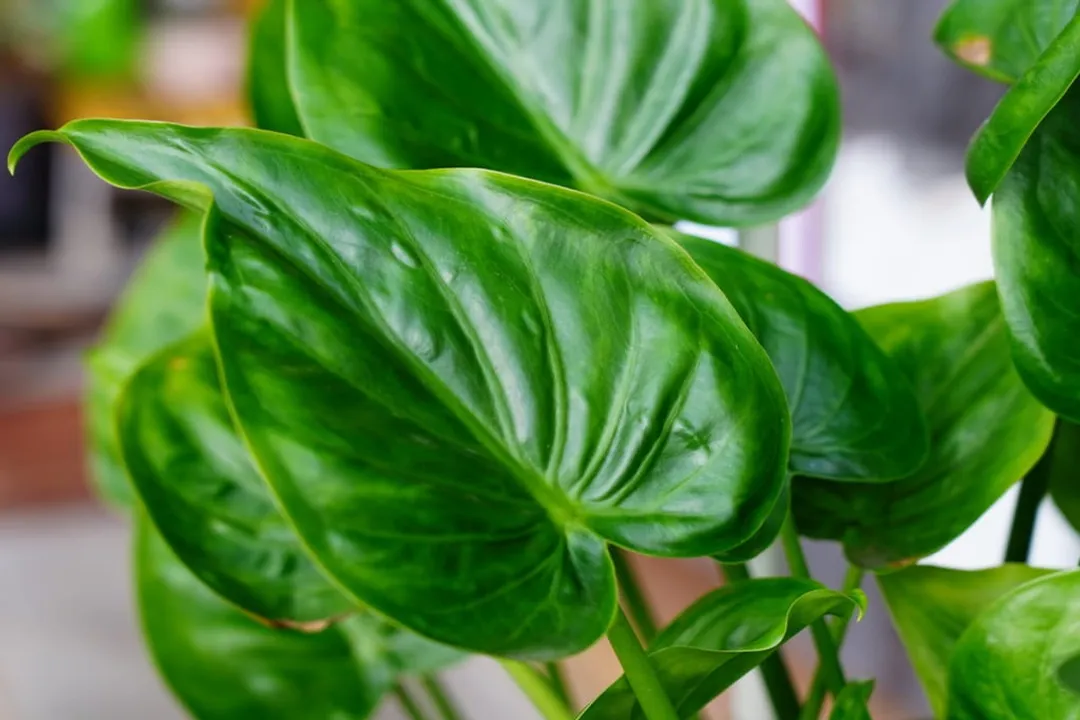
Alocasia plants, those dramatic showstoppers known for their large, arrow-shaped leaves, carry a significant chemical caveat that every owner and visitor should be aware of. Nearly all species within the Alocasia genus are considered toxic to humans and pets if they are ingested. [1][2][3][7][10] This toxicity isn't due to a simple, slow-acting poison but rather the presence of microscopic, needle-like structures embedded within the plant tissue. [1][4]
# Toxic Agent
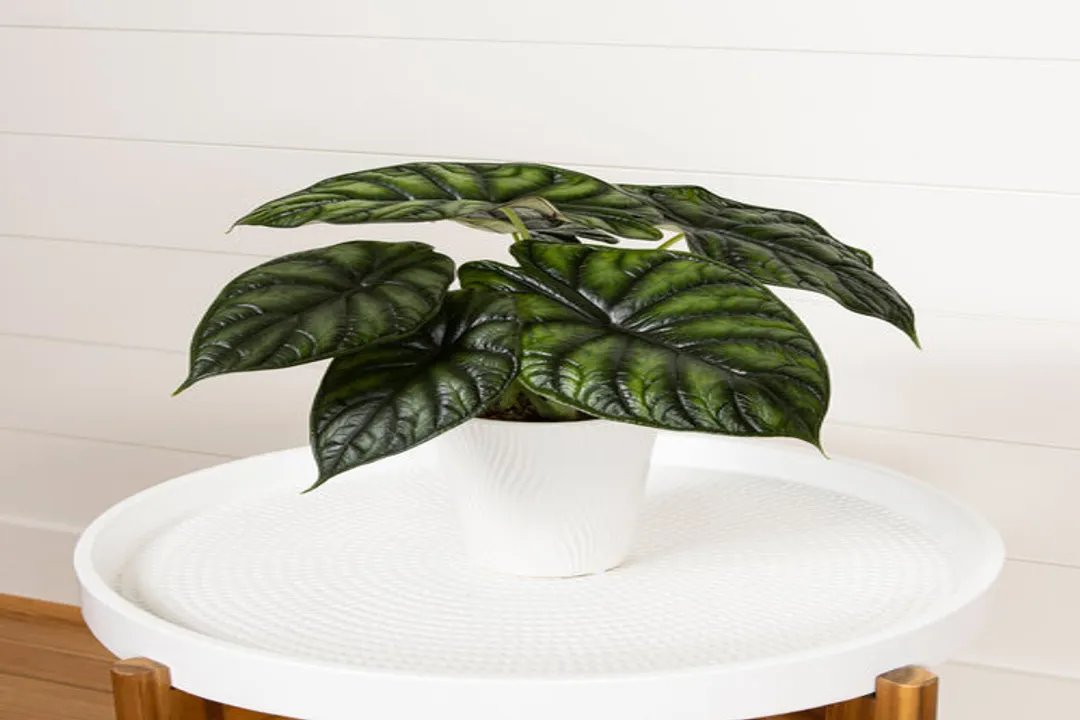
The primary source of the danger in Alocasia—often nicknamed Elephant Ears—lies in the presence of insoluble calcium oxalate crystals. [1][9] These crystals are structured like microscopic shards of glass or needles. [4] When any part of the plant, such as the leaves, stems, or roots, is chewed or crushed, these oxalate crystals are released directly into the soft tissues of the mouth, throat, or digestive tract. [1]
Calcium oxalate crystals are a defense mechanism employed by many common household and garden plants, not just Alocasia. [1][3] For the Alocasia specifically, the physical irritation caused by these sharp structures, combined with the chemical reaction they trigger, results in immediate and pronounced symptoms upon contact. [1][4]
# Ingestion Symptoms

The experience following the chewing or swallowing of Alocasia material is typically immediate, focusing heavily on irritation of the upper gastrointestinal tract. [1][5] The severity is generally dependent on the amount consumed and which part of the plant was eaten. [1]
Common acute reactions include:
- Intense, immediate pain in the mouth area. [1]
- Significant burning sensation and irritation of the lips, tongue, and the inside of the mouth. [2][10]
- Swelling of the tongue, throat, and mouth tissues. [1][2][10]
Beyond these initial signs, the digestive system may react strongly. [5] People who ingest parts of the plant might experience nausea, vomiting, and difficulty swallowing, sometimes leading to excessive drooling. [1] While this level of irritation is usually enough to deter further consumption, in more severe, albeit rare, scenarios, the swelling in the throat can become extensive enough to potentially compromise a person's airway. [1] For most small exposures, permanent damage is unlikely, but medical consultation remains important. [1]
It is helpful to visualize the potential outcome when considering accidental ingestion, particularly when children or pets are present. To provide a quick reference, here is a summary of the expected biological response:
| Plant Part Ingested | Immediate Effect | Common Secondary Symptoms | Potential Severity |
|---|---|---|---|
| Leaf, Stem, Root | Physical puncture by oxalates [1] | Pain, burning, swelling [2] | Mild to Moderate [1] |
| High Volume | Extensive tissue damage | Vomiting, drooling, dysphagia [1] | Rare Airway Obstruction [1] |
# Surface Contact Safety
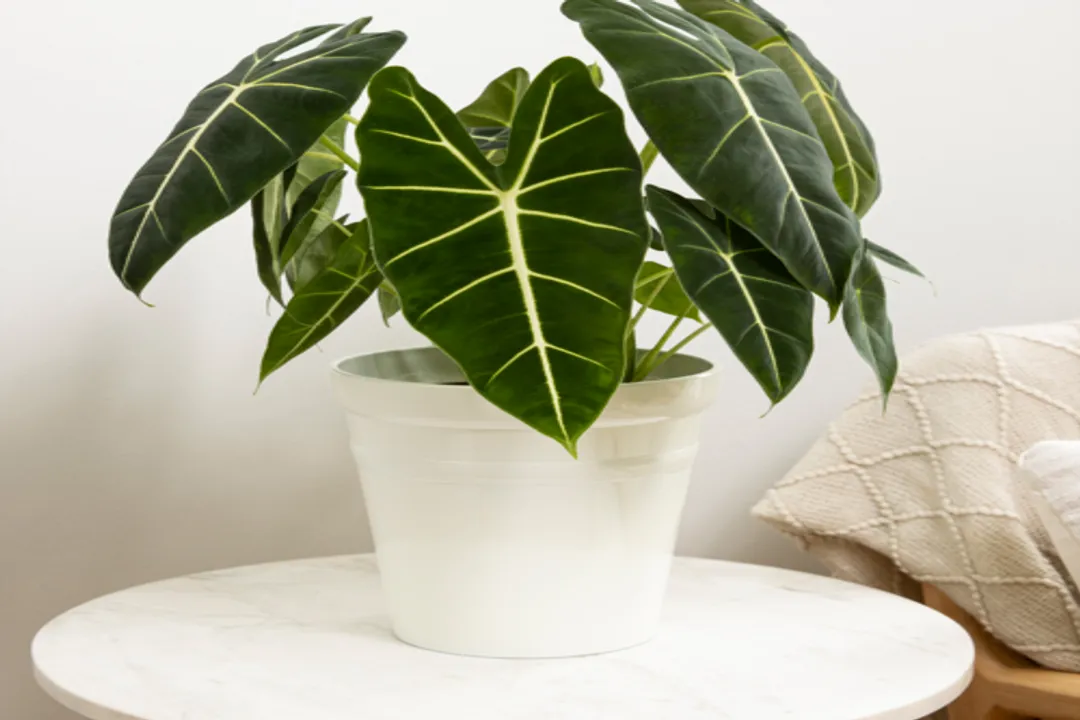
A common question for new owners revolves around plant sap, especially since Alocasia are known to sometimes release droplets of water from their leaf tips in a process called guttation. [6] This process is essentially the plant "sweating" out excess water. [6] If you see your plant dripping, it is understandable to wonder if the residue is hazardous to touch. Based on information available, the primary danger is from ingestion. [1][2][10] The water itself, or the simple contact with the leaf surface or the guttated fluid, is generally not considered poisonous to touch or cause skin irritation in the way that eating it does. [6] However, it is always prudent to practice general caution around any plant sap, especially if you have cuts or sensitive skin, and to wash your hands after handling the foliage or soil. [6] The chemical irritants are most effective when they are physically lodged in mucous membranes. [1]
# Pet Exposure
If you share your home with cats or dogs, Alocasia presents a similar danger to them as it does to humans. [2][7] Pets that chew on the leaves or stems will likely experience the same acute oral pain, irritation, and subsequent swelling, accompanied by vomiting and drooling. [2] Because animals, especially cats, groom themselves, any residue from handling the plant could potentially be transferred to their mouths, leading to exposure. [2] Containing the plant and keeping it well out of reach of curious paws and mouths is a necessary precaution when bringing an Alocasia into a pet-friendly household. [2][10]

# Immediate First Steps
If a person, especially a child, chews on or swallows any part of an Alocasia plant, immediate action is necessary, even if the symptoms appear mild at first. [1] The first priority is to get any remaining plant matter out of the mouth. [1]
For immediate intervention, rinsing the mouth thoroughly with water can help flush out residual irritating particles. [1] If available, providing milk or another demulcent liquid to drink might help coat the irritated tissues and dilute the remaining irritants, though this should not delay seeking professional guidance. [1] Because the symptoms are mechanical—the crystals physically irritate the tissues—removing the source and soothing the area are key steps. [1][4] If the irritation seems severe, or if there is difficulty breathing or swallowing, this moves from an inquiry to an urgent medical situation requiring immediate emergency services consultation. [1]
For plant enthusiasts who enjoy bringing diverse flora indoors, understanding the inherent risks of plants like Alocasia allows for informed placement. Knowing that the risk is concentrated in the ingestion pathway—rather than contact—helps in deciding where to place the specimen within the home, such as on high shelves inaccessible to small children or pets, rather than solely worrying about accidental bumps against the leaves. [6] This distinction between contact toxicity and ingestion toxicity is a practical piece of knowledge when managing a collection of potentially harmful, yet beautiful, houseplants. [1]
Related Questions
#Citations
Are Plants in the Alocasia Genus Poisonous?
Are Alocasia Plants Poisonous | A Guide
Alocasia odora poisoning due to calcium oxalate needle ...
Is alocasia safe? : r/PlantedTank
Elephant ear poisoning
I recently bought an Alocasia. I noticed it began dripping ...
Alocasia (Alocasia, Elephant's-Ear, Taro)
Biting into alocasia plant is dangerous
Poisoning from Alocasia × amazonica Roots: A Case Report
Alocasia - The Ultimate Growing Guide from Proven Winners