Why are simple tops with sleeves or longer tunics favored over sleeveless styles in an ashram?
Answer
They adhere to the modesty guidelines emphasizing the covering of the shoulders and chest.
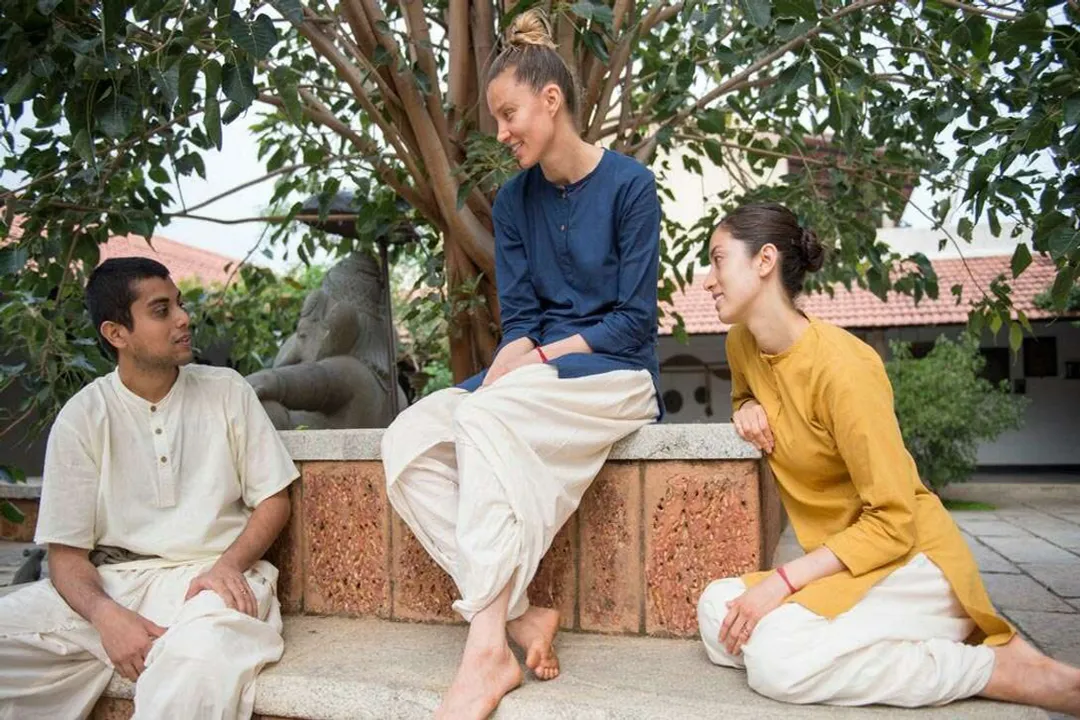
Ashram environments prioritize modesty as a cornerstone of the practice space, aiming to keep visual distractions to a minimum for all attendees. This standard is reflected directly in the recommendations for upper body wear. Simple tops that incorporate sleeves, even short ones, or garments such as longer tunics are actively favored. This preference stands in contrast to styles that are either sleeveless or feature deeply cut necklines, as the latter are generally discouraged because they fail to meet the established cultural guidelines requiring the shoulders and chest area to remain covered while practicing or moving around the facility.
Related Questions
Why did tradition favor unstitched garments like the dhoti for yoga practice?What level of body coverage is the general guideline within a traditional yoga ashram setting?Which philosophical concept justifies using comfortable, casual wear already on hand for yoga?What driving factor causes younger practitioners in Delhi or Mumbai studios to adopt Western athleisure?What natural fibers did Sadhguru suggest offer a noticeable difference when compared to tight synthetic wear?What practical problem do ill-fitting leggings or pants present during deep yoga postures?Why are simple tops with sleeves or longer tunics favored over sleeveless styles in an ashram?What issue can occur with extremely loose bottoms during inversions that obscures vision?What is the general definition of 'yoga-specific wear' in the Indian context versus the Western commercial context?What pragmatic solution do many Indian practitioners use to balance modern secure bottoms with modesty needs?