Which philosophical concept justifies using comfortable, casual wear already on hand for yoga?
Answer
Aparigraha (non-possessiveness).
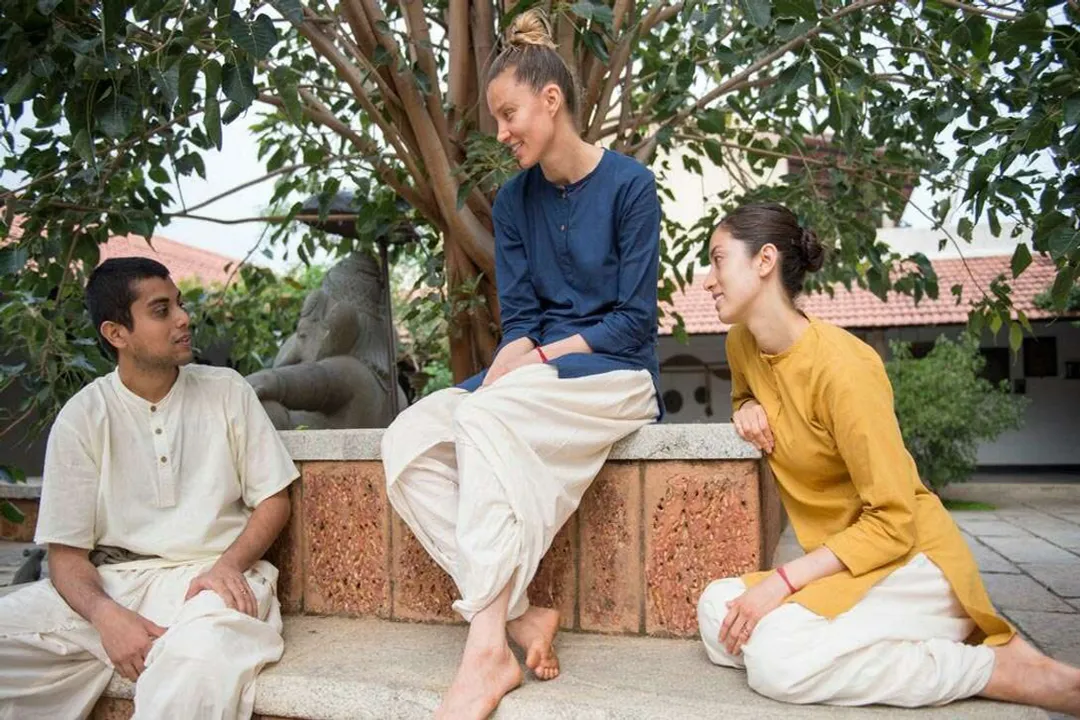
The minimalist approach to equipment and attire in yoga practice is deeply rooted in the ethical guidelines known as the Yamas and Niyamas. Specifically, the principle of aparigraha directly advocates for non-possessiveness. This philosophical current suggests that it is unnecessary to acquire specialized gear for every activity. Instead, it encourages utilizing whatever comfortable, readily available, causal wear is suitable for the practice. In historical contexts where this philosophy was strictly followed, this often meant resorting to roomy, natural cotton clothes like kurta-pajamas, aligning with the idea of owning only what is essential.
Related Questions
Why did tradition favor unstitched garments like the dhoti for yoga practice?What level of body coverage is the general guideline within a traditional yoga ashram setting?Which philosophical concept justifies using comfortable, casual wear already on hand for yoga?What driving factor causes younger practitioners in Delhi or Mumbai studios to adopt Western athleisure?What natural fibers did Sadhguru suggest offer a noticeable difference when compared to tight synthetic wear?What practical problem do ill-fitting leggings or pants present during deep yoga postures?Why are simple tops with sleeves or longer tunics favored over sleeveless styles in an ashram?What issue can occur with extremely loose bottoms during inversions that obscures vision?What is the general definition of 'yoga-specific wear' in the Indian context versus the Western commercial context?What pragmatic solution do many Indian practitioners use to balance modern secure bottoms with modesty needs?