What do Indians wear for yoga?
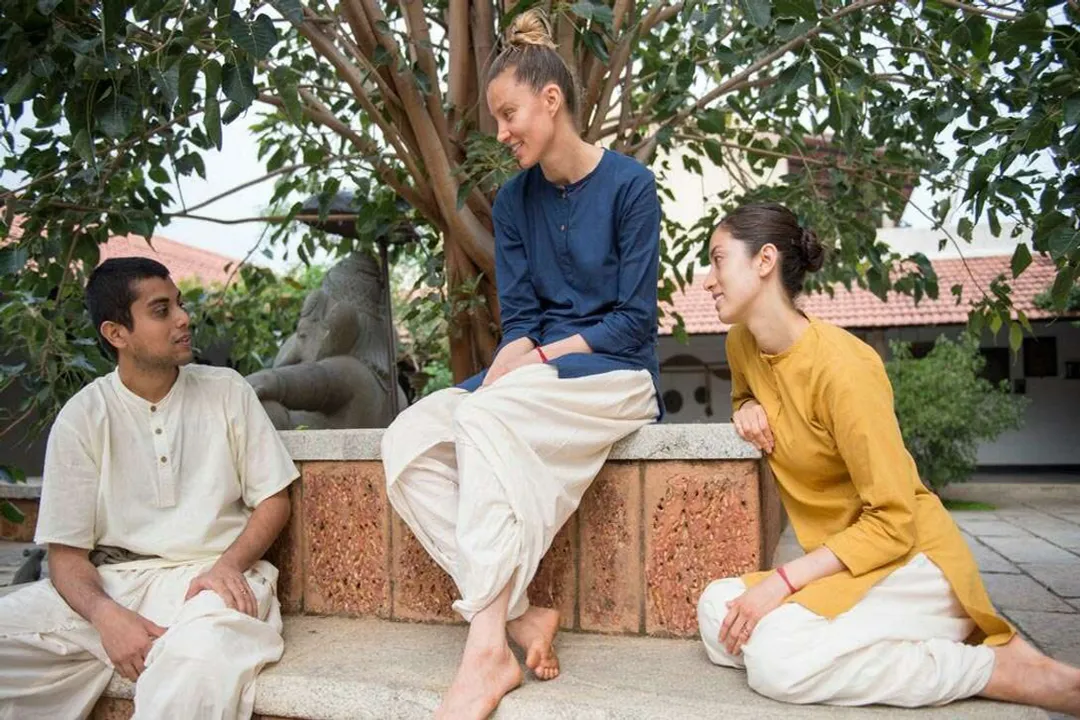
The attire worn for yoga practice across India presents a fascinating study in contrasts, balancing deep-rooted tradition with globalized fitness trends and local cultural sensitivities. It’s far from a single prescribed uniform; what a person wears can signal the style of yoga they practice, the environment they are in, and the cultural comfort zone they occupy.
# Ancient Threads
Historically, the clothing for yoga practice in India was dictated by simplicity and the principle of non-restriction. Traditional garments were often unstitched pieces of cloth, such as the dhoti for men and the sari for women, which wrapped around the body. The primary reasoning behind this preference for unstitched or very loose garments was the belief that stitched clothing could impede the flow of energy during sadhana (spiritual practice).
For those focusing on the deeper, philosophical aspects of yoga, or styles centered around meditation like Sahajayoga, traditional Indian wear such as Salwar Kurtas or even Sarees can still be seen, as intense physical postures might not be the focus. Furthermore, an underlying philosophical current, linked to the concept of aparigraha (non-possessiveness), suggests a minimalist approach where specialized gear for every activity is unnecessary. In this view, one uses whatever comfortable, causal wear is on hand, which often meant natural, roomy cotton clothes like kurta-pajamas for men.
# Ashram Modesty
When practicing or training within a traditional yoga ashram setting in India, cultural norms heavily influence wardrobe choices, emphasizing modesty and practicality above all else. The focus shifts from personal style to supporting a collective, grounded atmosphere where attention is kept on the practice, not distraction.
For both men and women in an ashram, the general guideline is to choose clothing that covers the shoulders, chest, and knees. This is especially important when moving outside the practice hall to common areas, meditation spaces, or when visiting nearby temples.
In terms of specific garment types within the ashram environment:
- Bottoms: Fitted yet non-revealing options like high-waisted leggings, straight yoga pants, or loose cotton trousers are recommended for providing necessary stretch while maintaining coverage.
- Tops: Simple tops with sleeves, or longer tunics, are favored over deeply cut or sleeveless styles.
- Fabrics: Breathable, natural fabrics like cotton and bamboo are essential to manage heat and humidity common in India.
- Footwear: Easy slip-on sandals or flip-flops are practical, given the constant need to remove shoes before entering indoor spaces.
Flashy colors, large logos, and clothing that is sheer or overly tight are generally discouraged, as they draw unnecessary attention.

# Urban Shift
Outside the strict confines of traditional ashrams, particularly in major metropolitan areas like Delhi or Mumbai, the clothing worn for yoga has evolved significantly, often mirroring global athleisure trends. As yoga increasingly integrates into the broader health and fitness culture, many younger practitioners and those in city studios adopt the tight, functional activewear commonly seen in the West, such as form-fitting leggings and sports bras.
This adoption is driven by the perceived comfort and functionality of modern technical fabrics that offer superior stretch and support for dynamic asanas. However, this choice is sometimes fraught with cultural tension. While Western yoga culture often champions tight clothing for maximizing movement feedback, social dynamics in India can make tight or revealing clothing in public yoga spaces a source of discomfort, staring, or harassment for women. The result is a fascinating tension: some practitioners prefer the secure fit of leggings, while others default to looser styles to navigate social expectations.
A local context often observed is that men in India may be less inclined than women to adopt tight athletic wear due to societal perceptions about masculinity, often favoring looser shorts and T-shirts even when exercising. Yet, this is not universal, as some male athletes do opt for tighter fits.
# Fabric Science
The debate over materials is central to the conversation about what clothing should be worn, regardless of cultural context. From a traditional yogic perspective, the material that wraps the body impacts one's well-being. Organic cotton or silk are cited as the best options because they allow the body to function with greater ease compared to synthetics. Sadhguru suggests that wearing organic cotton or silk for a week, contrasted with tight synthetic wear, will reveal a noticeable difference in physical comfort.
Modern activewear brands operating within India often emphasize the benefits of natural fibers like cotton and bamboo, marketing them as breathable and soft, balancing performance with a connection to tradition. These retailers often focus on cotton yoga pants and tops that are designed to be breathable and sattvik (pure).
Despite the strong argument for natural fibers, the functionality of modern synthetics—specifically their moisture-wicking capabilities—is undeniable, particularly in hot or heated yoga styles. The ideal fabric choice, therefore, seems to land on what allows the practitioner to remain cool and dry without feeling restricted or having their clothing become transparent when stretched or damp.

# Pose Security
Beyond the philosophical or cultural debates, practical considerations dominate what works best during the physical postures (asanas) themselves. Movement demands that clothing stays put, which presents a challenge for both extremely loose and extremely tight garments if they are poorly designed.
For those who prefer looser bottoms, the fabric might shift during inversions, causing a top to flop over the head and obscure vision, which is highly distracting during poses like Downward-Facing Dog. Conversely, ill-fitting leggings or pants can roll down at the waist during deep squats or bends.
This functional necessity often pushes practitioners toward a compromise that aligns with modern activewear design:
- Snug Tops: Many experienced practitioners find that a snug-fitting top or sports bra is superior, as it prevents shifting and allows the instructor to clearly observe alignment. If a looser top is preferred for modesty, tucking it in is a common technique to maintain coverage during inversions.
- Secure Bottoms: Leggings or pants with supportive, high waistbands that resist rolling down are preferred over styles that need constant adjustment.
A specific strategy for those seeking modesty while retaining functional fit is to pair tighter, secure bottoms (like modern leggings) with a longer, looser tunic or top that covers the hips and is long enough to prevent the midriff from showing during backbends or forward folds. This blending—modern secure base layers paired with traditional-length coverage on top—offers a pragmatic solution for many Indian practitioners navigating studio environments today. [Original Insight 1]
It is worth noting that the definition of "yoga-specific wear" is itself fluid. In Western commercial contexts, it often means synthetic, branded, tight apparel. In the Indian context, the term often reverts to its purist meaning: comfortable, breathable clothing that minimizes interference, which frequently translates to simple, everyday natural fabrics. The shift in clothing choices often reflects not a rejection of tradition, but a practical adaptation to the specific type of asana practice undertaken; for intense Ashtanga or Vinyasa, form-fitting comfort is prioritized for safety, whereas Hatha or Restorative practices might favor warmer, looser layers for relaxation. [Original Insight 2] Ultimately, whether choosing a breathable cotton kurta set or performance leggings, the most appropriate Indian yoga wear is the one that allows the mind to remain centered on the practice without the body drawing undue attention to its coverings.
Related Questions
#Citations
Yoga Clothes | Yoga For Beginners - Isha Yoga
What To Wear In India? A Guide For Yogis & Travelers - Arhanta Yoga
How come yoga clothes in India are so lose but in America they are ...
akiso.store: Men & Women Cotton Yoga Pants, Tops. Yoga Wear ...
Why don't Indians wear Indian clothes like salwar kurtas in yoga ...
What Is The Ideal Clothing For Yoga? - Satori Designs Studio
A Complete Guide to Yoga Dress Code for Women - yamayoga
What To Wear For Yoga Class? Hot Yoga, Vinyasa Yoga, Hatha ...