How serious is wearing a LifeVest?
Receiving a recommendation to wear a LifeVest, or Wearable Cardioverter Defibrillator (WCD), often follows a frightening health event, such as a heart attack or a diagnosis of a serious heart rhythm disorder. It is normal to feel overwhelmed when faced with wearing a medical device that monitors your heart around the clock. The device is designed to detect life-threatening arrhythmias and, if necessary, deliver a treatment shock to restore a normal heart rhythm. [1][2] While it may feel intrusive or inconvenient, the medical community views it as a temporary but highly effective safety net for patients at high risk of sudden cardiac arrest. [6][9]
# The Device
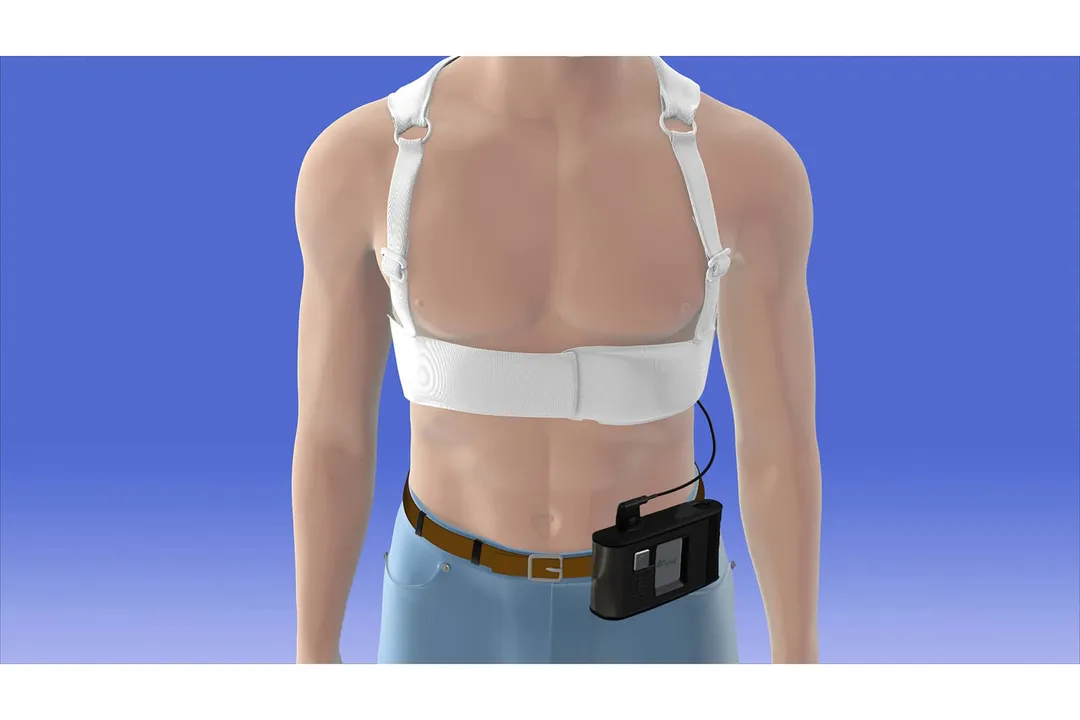
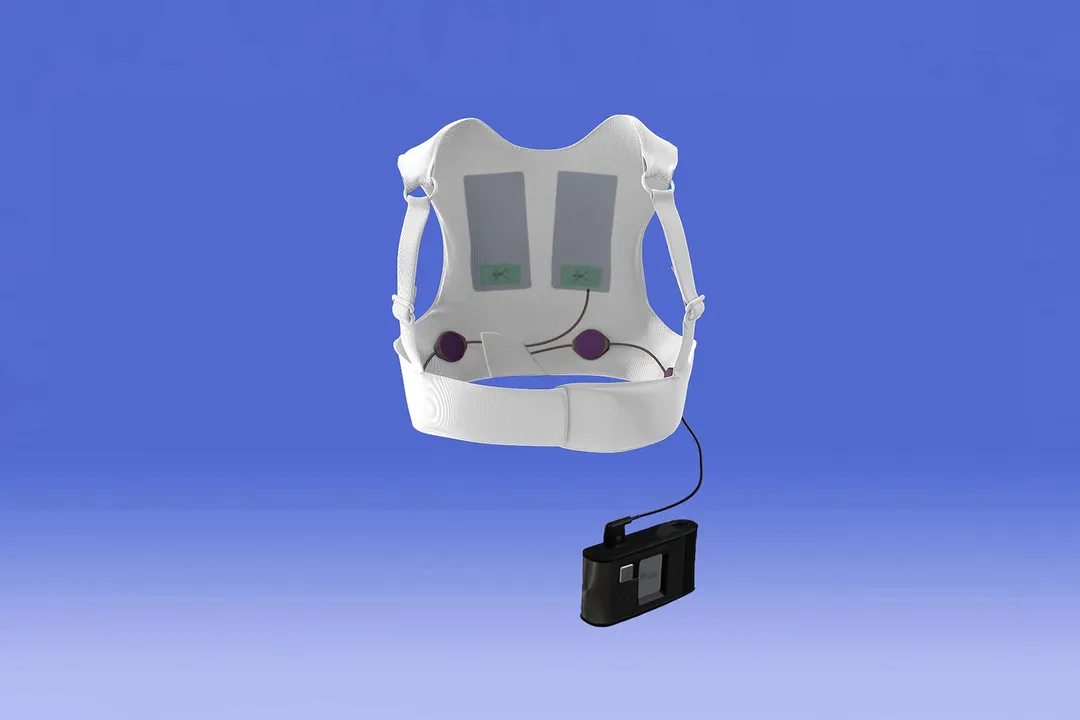
The LifeVest is a wearable device, not an implant. It consists of a garment worn under your clothes, a monitor, and a belt containing electrodes. [2][6] Unlike an Implantable Cardioverter Defibrillator (ICD), which requires surgery, the WCD is non-invasive. [1][10] It is typically prescribed as a bridge to a more permanent treatment, such as an ICD, or while a physician waits to see if a patient’s heart function improves with medication. [5][6]
The system continuously monitors your heart rate. If it detects a life-threatening rhythm, it is designed to alert you, allowing you time to respond and stop the shock if you are conscious. [2][7] If you do not respond, the device delivers a treatment shock to convert the arrhythmia back to a normal rhythm. [5] Because it is a wearable, it provides protection without the risks associated with surgical procedures, such as infection or anesthesia complications. [4][10]
# Daily Management
Living with a WCD involves a shift in daily habits. You wear the device at all times, except when showering or bathing, which requires you to remove the vest. [2][5] This means you must plan your personal hygiene carefully. To maintain skin health, the manufacturer recommends wiping your chest with a soft, moist cloth to keep the skin clean and dry, which helps the electrodes maintain good contact. [7]
For many, the most challenging part is the routine maintenance. Developing a set of habits can make the process feel less like a chore and more like a second nature. Consider the following workflow to maintain compliance and comfort:
- Charging: Swap out batteries daily while you are sedentary, such as when reading or watching television.
- Hygiene: Keep the skin area clean to avoid irritation from the electrodes.
- Communication: Keep the device within range of its base station to ensure data is transmitted to your doctor for review.
- Wardrobe: Wear loose-fitting clothing that allows you to access the monitor easily if an alarm sounds.
If you struggle with the physical sensation of the vest, you might find that adjusting the straps or changing the size of the garment helps. [5] If the electrodes cause skin irritation, consult your healthcare provider rather than simply removing the device. [7]

# Clinical Effectiveness
The clinical evidence regarding the utility of the WCD is significant. Studies have shown that the device is highly effective at terminating life-threatening arrhythmias. [3] In real-world scenarios, the device has successfully converted rhythms in patients who experienced sudden cardiac arrest, effectively preventing mortality. [4][8]
Research indicates that the WCD is a reliable tool for patients waiting for an ICD or those recovering from a recent heart attack who are not yet eligible for surgery. [6][10] While the device is temporary, the protection it provides during the acute phase of heart disease is substantial. Data suggests that patients who are compliant with wearing the device receive the full benefit of its protective capabilities. [3]
# Managing Anxiety
It is common to feel a sense of unease when wearing the vest. This anxiety often stems from two sources: the fear of the device going off (false alarms) and the underlying worry about your heart condition. Recognizing the difference between these two can help you cope better.
| Source of Stress | Nature of Fear | Management Approach |
|---|---|---|
| False Alarms | Unexpected beeping or vibration causing immediate panic. | Learn the specific alarm tones; stay calm, as you often have time to react. |
| Cardiac Fear | Anxiety about heart function and the risk of arrest. | Focus on the device as a "safety net" rather than a reminder of illness. |
| Social Perception | Feeling self-conscious about wearing a medical device. | Remember that the vest can be worn under most shirts; it is invisible to others. |
False alarms are a common source of frustration, but they are generally caused by sensor movement or electrical noise rather than an actual heart event. [7][9] When an alarm sounds, the device guides you through the process of checking your status. It is crucial not to panic. If you are awake and alert, you can stop the treatment shock by pressing the buttons on the monitor as instructed. [2][5]

# The Future
For most patients, the LifeVest is a chapter in their treatment, not the whole book. Whether you are using it to wait for an ICD, to recover from surgery, or to support your heart while medication takes effect, the device serves a specific, time-limited purpose. [6] By treating it as a reliable tool that grants you the security to move about your day, you can reduce the mental burden it imposes.
If you find that the psychological impact of wearing the device is interfering with your daily quality of life, speak to your care team. They can provide resources for support or adjust your care plan. Remember, the device is there to provide the safety you need so you can focus on healing your heart rather than worrying about the unexpected. Trusting the technology and establishing a comfortable routine are the best ways to ensure your time with the vest is as productive and stress-free as possible. [7][9]
Related Questions
#Citations
LifeVest for Sudden Cardiac Arrest
LifeVest Wearable Defibrillator Patient Overview - ZOLL Medical
Wearable cardioverter defibrillators: dead on arrival or chance ...
Study: LifeVest Safe, Keeps Heart in Check
Cardiac LifeVest: Wearable Defibrillator
Zoll Life Vest
LifeVest Wearable Defibrillator Reduced 90-day Mortality | RT
LifeVest can be a Lifesaver for Patients with Heart Trouble
After a Heart Attack, a Life Vest Can Prevent Cardiac Arrest