Can mold toxicity cause tingling?

Exposure to indoor mold is often associated with respiratory reactions such as sneezing, coughing, or congestion. However, a growing body of evidence suggests that mold toxicity can manifest in more complex ways, specifically through neurological sensations like tingling, pins-and-needles, or numbness in the extremities. [2][3][4] These sensations, medically categorized as paresthesia, can be confusing because they do not immediately signal an environmental trigger, leading many individuals to search for underlying neurological or circulatory causes rather than considering their home or work environment. [3]
# Neurological Connections
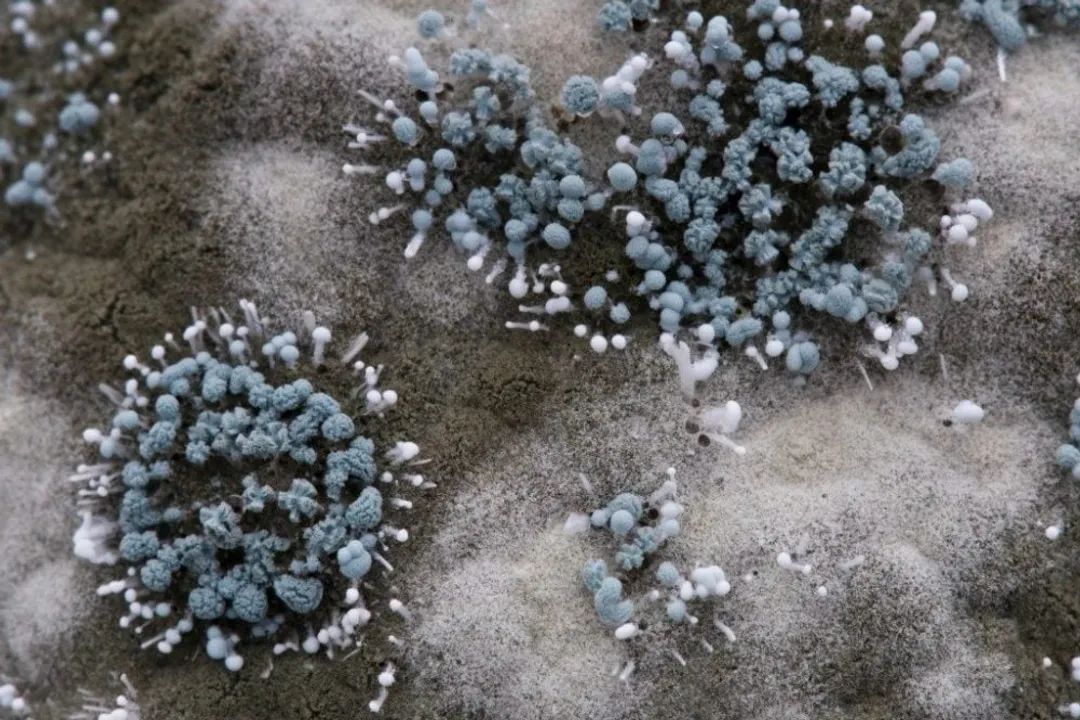
The nervous system is particularly sensitive to the chemical byproducts produced by mold, known as mycotoxins. [5] When these toxins enter the body—whether through inhalation, ingestion, or skin contact—they can trigger inflammatory responses that directly affect nerve function. [6][7] Unlike a simple allergic reaction which might cause itchy eyes or a runny nose, mycotoxins often act as neurotoxins. [5] This means they can interfere with the signaling pathways between nerves and the brain, potentially resulting in the sensation of tingling, crawling skin, or localized numbness. [3][4]
It is not uncommon for people struggling with mold toxicity to report a combination of neurological symptoms. In addition to tingling, many experience cognitive difficulties, often described as brain fog or trouble focusing, alongside mood shifts such as heightened anxiety or irritability. [2][6][7] Because these symptoms are often vague and subjective, they are frequently misattributed to stress, lack of sleep, or generalized fatigue, delaying the identification of the actual environmental source. [8][9]
# Mycotoxin Mechanisms
Mycotoxins are secondary metabolites produced by various species of fungi, such as Stachybotrys chartarum, Aspergillus, and Penicillium. [5][6] When a structure has water damage, these molds can grow, releasing spores and mycotoxins into the indoor air. [1] The toxicity depends heavily on the concentration of these substances, the duration of exposure, and the individual's unique biological susceptibility. [9]
The mechanism behind neurological symptoms like tingling is typically linked to neuro-inflammation. [5] Mycotoxins can pass through the blood-brain barrier and induce oxidative stress within neural tissues. [5] When nerves are inflamed or stressed due to this toxicity, they may misfire, sending distorted signals to the brain that the person perceives as tingling or numbness. [3] This process can be chronic if the individual remains in the contaminated environment, preventing the nervous system from calming down and recovering from the inflammatory insult. [4]

# Symptom Patterns
Recognizing the pattern of symptoms is a useful step in determining whether mold might be the culprit. While tingling is a specific indicator, it rarely happens in isolation. Most individuals who report neurological sensations related to mold toxicity also present with a collection of other markers.
The following table categorizes common symptoms often reported alongside neurological sensations:
| Symptom Category | Specific Manifestations |
|---|---|
| Neurological | Tingling (paresthesia), numbness, tremors, muscle weakness |
| Cognitive | Brain fog, difficulty concentrating, memory lapses |
| Psychological | Increased anxiety, mood swings, irritability, insomnia |
| Physical | Persistent fatigue, headaches, dizziness, joint pain |
These clusters of symptoms can fluctuate in intensity. [2][7] Some people find that their symptoms improve when they spend time away from their home or office, only to return or worsen shortly after they go back to the contaminated space. [1][9] This pattern of "symptom migration" is a significant red flag for environmental toxicity. [4]
# Environmental Auditing
If you suspect that your home or workplace is contributing to these sensations, performing an environmental audit is a practical first step. Mold does not always appear as visible black patches on a wall; it can thrive in hidden areas, such as behind wallpaper, underneath carpets, inside HVAC systems, or within ceiling tiles. [1][9]
To conduct a personal assessment:
- Check for Moisture: Look for signs of water damage, such as peeling paint, warped flooring, or persistent damp smells, even if you cannot see visible mold growth.
- Monitor Ventilation: Poor airflow increases the concentration of mycotoxins in the air. Check if bathroom or kitchen fans are functioning and venting to the outside.
- Trace the Symptoms: Keep a log of your symptoms alongside your location. Note when the tingling or numbness starts and stops. If you consistently feel better in different locations, this supports the theory of an environmental trigger.
- Inspect Hidden Areas: Use a flashlight to look in basements, crawl spaces, and attics. Check under sinks for slow, unnoticeable leaks that create a breeding ground for mold.
Taking these steps provides you with actionable data to discuss with medical professionals or mold remediation experts. It shifts the investigation from guessing to verifying the state of your indoor air quality.

# Professional Assessment
Because tingling and numbness can also be signs of medical conditions like peripheral neuropathy, diabetes, or vitamin deficiencies, it is important to address these symptoms with a healthcare provider to rule out other causes. [2] When speaking with a doctor, be specific about the onset of your symptoms and any potential environmental triggers you have noticed.
Diagnostic testing for mold toxicity often involves looking at mycotoxin markers in urine or blood, though these tests are not universally used and may vary in availability. [4] Many practitioners focus on a clinical assessment, which includes your medical history, exposure duration, and the success of avoiding the suspected moldy environment. [7]
It is helpful to present your findings from your environmental audit to your doctor. Sharing a list of when and where you experience the symptoms, along with any visible signs of water damage or mold in your living area, gives the physician a more complete picture to work with. This collaborative approach ensures that you are not overlooking a medical issue while simultaneously addressing potential environmental hazards.
# Recovery Considerations
Recovering from mold-related neurological symptoms involves two primary fronts: removing the source of the exposure and supporting the body’s detoxification and healing processes. [6] Once the source of the mold is identified and remediated, many people experience a gradual reduction in symptoms. [9]
However, the nervous system may require additional time to heal. Some individuals find that simple lifestyle changes assist during the recovery phase:
- Air Filtration: Using high-efficiency particulate air (HEPA) filters can help reduce the load of spores and particulates in the air while you address the source of the mold. [1]
- Hydration and Nutrition: Supporting the body’s natural elimination pathways through proper hydration is a common strategy mentioned in recovery protocols. [6][7]
- Stress Management: Since the nervous system is already under strain from the toxins, techniques that support relaxation may help mitigate some of the secondary effects like anxiety. [2]
Each individual responds differently to mold exposure. Genetics play a role in how effectively a person's body clears mycotoxins. [5] While one person might live in a moldy environment with minimal reaction, another might develop significant neurological symptoms. [3] Understanding this variability is important for managing expectations during the recovery process. Patience and consistency are required, as the body’s return to its baseline state often happens gradually rather than overnight.
Related Questions
#Citations
10 Warning Signs of Mold Toxicity: What You Need to Know
Mold Exposure and Neurological Symptoms to Look For - Healthline
Tingling and Numbness from Mold Exposure - Mold Removal
A sometimes-overlooked sign of toxic mycotoxins ☣️ is a feeling of ...
A Report of Two Cases and a Review of the Literature | Lieberman
What are the symptoms of toxic mold exposure? - Vibrant Wellness
12 Mold Toxicity Symptoms & Mold Exposure Signs You Shouldn't ...
The Surprising Symptoms of Mold Toxicity - Hope For Healing
10 Warning Signs Of Mold Toxicity That You Cannot Ignore