Are tomatoes good for you to eat every day?
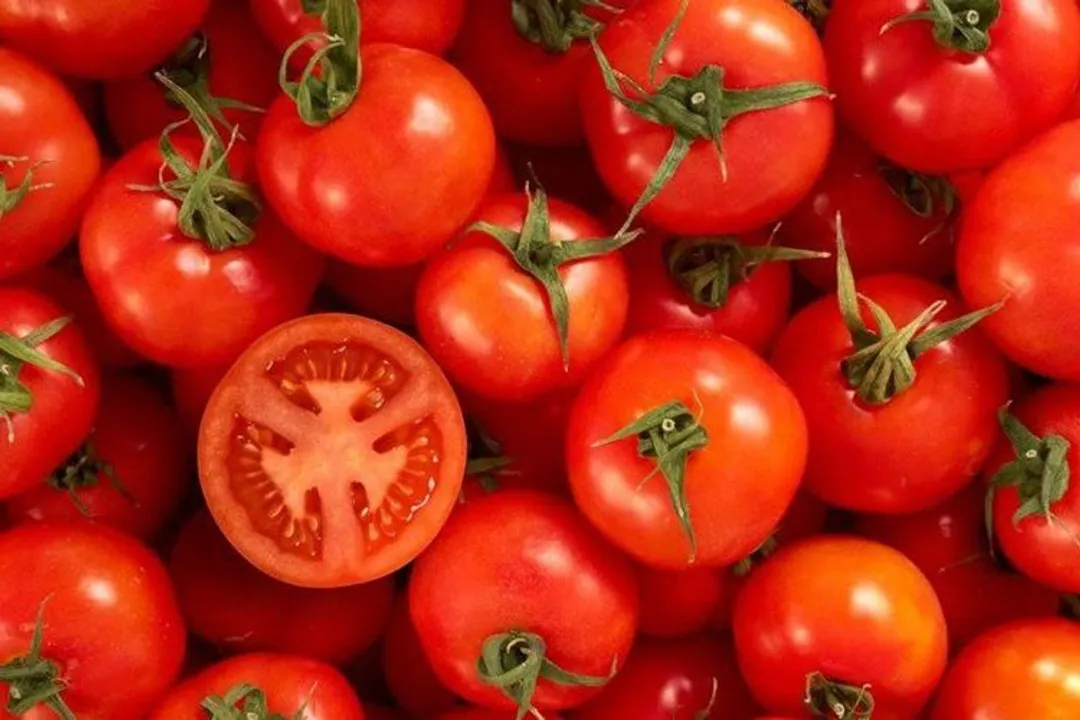
Tomatoes are a dietary staple for good reason. They are incredibly versatile, fitting into everything from morning omelets and lunchtime salads to dinner pasta sauces. Integrating them into your daily diet is generally considered a healthy habit, as they provide a consistent supply of vitamins, minerals, and antioxidants that support long-term wellness. [1][4]
Eating them every day allows you to tap into a reliable source of essential nutrients without adding significant calories to your daily intake. [3] Whether you enjoy them raw, stewed, or roasted, the specific health benefits can change based on how you prepare them. [9]
# Nutritional Profile
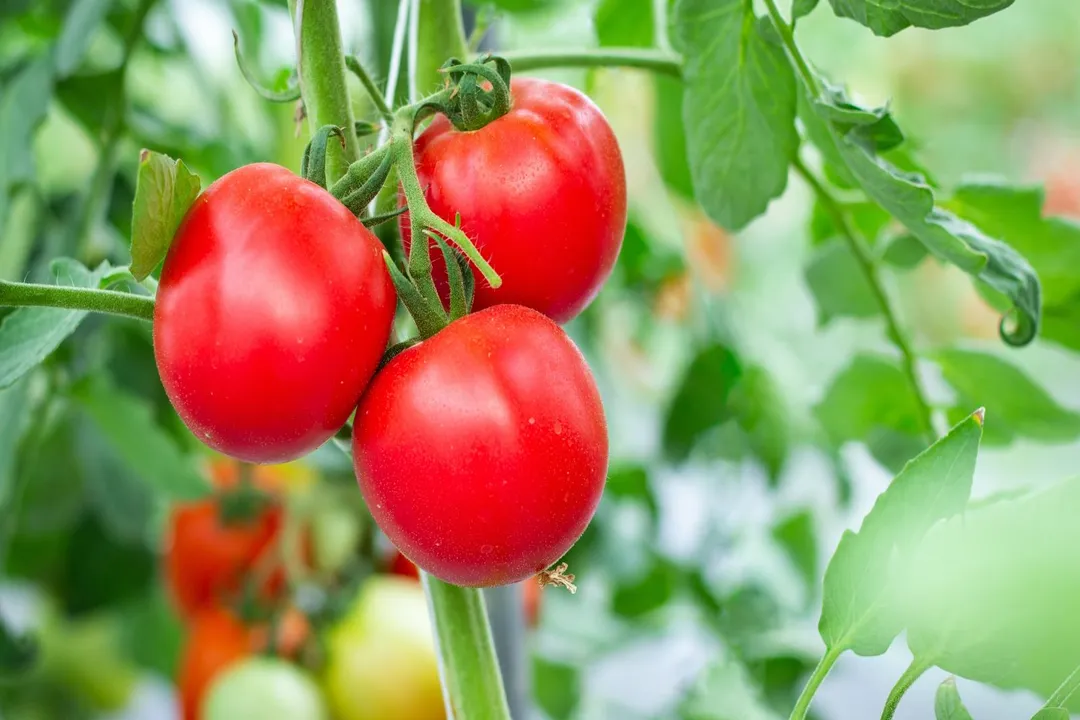
The nutritional value of a medium-sized tomato is straightforward and impressive. They are naturally low in calories and fat, yet packed with fiber and micronutrients that the body needs for daily function. [3] To get a clearer picture of what a single, raw medium tomato provides, consider the following breakdown of key nutrients:
| Nutrient | Importance |
|---|---|
| Vitamin C | Supports immune function and collagen synthesis. [2] |
| Potassium | Helps regulate fluid balance and blood pressure. [9] |
| Vitamin K1 | Essential for blood clotting and bone health. [2][4] |
| Folate (B9) | Important for normal tissue growth and cell function. [2] |
| Fiber | Aids in digestion and maintains gut health. [3] |
Beyond these vitamins, the true star of the tomato is its phytonutrient content, specifically carotenoids. [5] These compounds are responsible for the vibrant red color of the fruit and are linked to various physiological advantages. [7]
# Health Advantages
Regular consumption of tomatoes is most often associated with cardiovascular and skin health. The antioxidants found in tomatoes, particularly lycopene, help protect cells from damage caused by free radicals. [9]
Heart health is a primary area where these benefits are felt. Research suggests that high levels of lycopene, lutein, and beta-carotene can help reduce the risk of heart disease by managing cholesterol levels and reducing oxidative stress on the cardiovascular system. [2][5] By eating tomatoes consistently, you provide your body with these compounds, which may contribute to better blood pressure regulation and overall heart efficiency. [1][9]
Skin protection is another notable benefit. The same antioxidants that protect your internal organs also assist in defending your skin against UV-induced damage. [2][9] While tomatoes are certainly not a replacement for sunscreen, a diet rich in these compounds can help your skin manage the stress of environmental exposure over time. [7]

# Lycopene Facts
Lycopene is the carotenoid that makes tomatoes red. It is a powerful antioxidant, and unlike many other nutrients that degrade when exposed to heat, lycopene becomes more bioavailable when tomatoes are cooked. [2][9] This is a unique characteristic of the tomato.
When you heat tomatoes—such as in a sauce, soup, or stew—you break down the cell walls of the plant, releasing more lycopene for your body to absorb. [9] Therefore, eating a mix of raw and cooked tomatoes throughout the week ensures you get a balance of different nutrients. Raw tomatoes provide higher levels of vitamin C and heat-sensitive enzymes, while cooked tomato products provide a concentrated dose of lycopene. [4][9]
# Consumption Risks
While eating tomatoes daily is safe for the vast majority of people, there are specific situations where caution is advised. Tomatoes are naturally acidic, which can cause discomfort for some individuals. [1]
If you suffer from acid reflux, GERD (Gastroesophageal Reflux Disease), or chronic heartburn, consuming high amounts of tomatoes—especially in concentrated forms like pasta sauce, ketchup, or tomato juice—may trigger symptoms. [1] The acidity can irritate the lining of the esophagus and stomach, leading to discomfort.
Additionally, tomatoes contain potassium and some levels of oxalate. While potassium is vital for most people, individuals with chronic kidney disease (CKD) are often advised to monitor their intake of high-potassium foods. [1] If your doctor has placed you on a potassium-restricted diet, it is important to discuss your tomato intake with them to determine a safe serving size.
To determine if tomatoes might be bothering you, consider monitoring your symptoms after meals. If you notice persistent issues, you might experience sensitivity:
- Heartburn: A burning sensation in the chest shortly after eating.
- Stomach Upset: Indigestion or bloating following a meal.
- Skin Reactions: Rare, but some people experience oral allergy syndrome, characterized by itching or swelling of the mouth or throat.

# Preparation Tips
Maximizing the value of your daily tomato habit is simple if you vary how you consume them. Relying solely on fresh, sliced tomatoes is excellent, but incorporating processed tomato products like canned tomatoes, tomato paste, or stewed tomatoes can actually boost your intake of certain antioxidants. [2]
Here are a few ways to diversify your daily intake:
- Roasted: Roast cherry tomatoes with olive oil and garlic. The heat helps release the lycopene, and the olive oil aids in the absorption of fat-soluble vitamins.
- Blended: Use canned crushed tomatoes for a quick soup or sauce base, which remains nutritious and convenient.
- Fresh: Keep fresh tomatoes on hand for salads or as a snack to maintain your vitamin C levels.
It is also worth noting that storing tomatoes correctly makes a difference. Tomatoes should generally be kept at room temperature until they are fully ripe. [6] Storing them in the refrigerator before they are ripe can alter their texture and flavor, making them grainy or less appealing, which might discourage you from eating them regularly.
Consistency matters more than quantity. You do not need to consume excessive amounts to reap the benefits. A single serving—perhaps one medium tomato or a half-cup of sauce—is enough to contribute to your daily nutrient goals. [4]
Integrating tomatoes into your routine is a low-effort, high-reward habit. They provide a foundation of heart-healthy antioxidants, essential vitamins, and fiber that supports your body day after day. As long as you do not have specific medical conditions like GERD or kidney issues that require dietary restrictions, there is no reason to avoid eating them daily. By alternating between fresh and cooked preparation methods, you ensure that you are receiving the full spectrum of nutritional benefits this fruit has to offer.
Related Questions
#Citations
Is it good to eat a lot of tomatoes every day? - Vinmec
The Health Benefits of Tomatoes - WebMD
6 Reasons to Eat More Tomatoes | St. Vincent's Medical Center
What Happens to Your Body When You Eat Tomatoes Regularly
Tomatoes: An Extensive Review of the Associated Health Impacts of ...
Is It Good to Eat Tomatoes Every Day? | N.C. Cooperative Extension
Top 10 Health Benefits of Eating Tomatoes
Are tomatoes healthy to eat every day? : r/fitmeals - Reddit
6 Health Benefits of Eating Tomatoes Regularly
Small but Mighty: The Benefits of Tomatoes Tomatoes are more than ...