Why are boysenberries good for you?
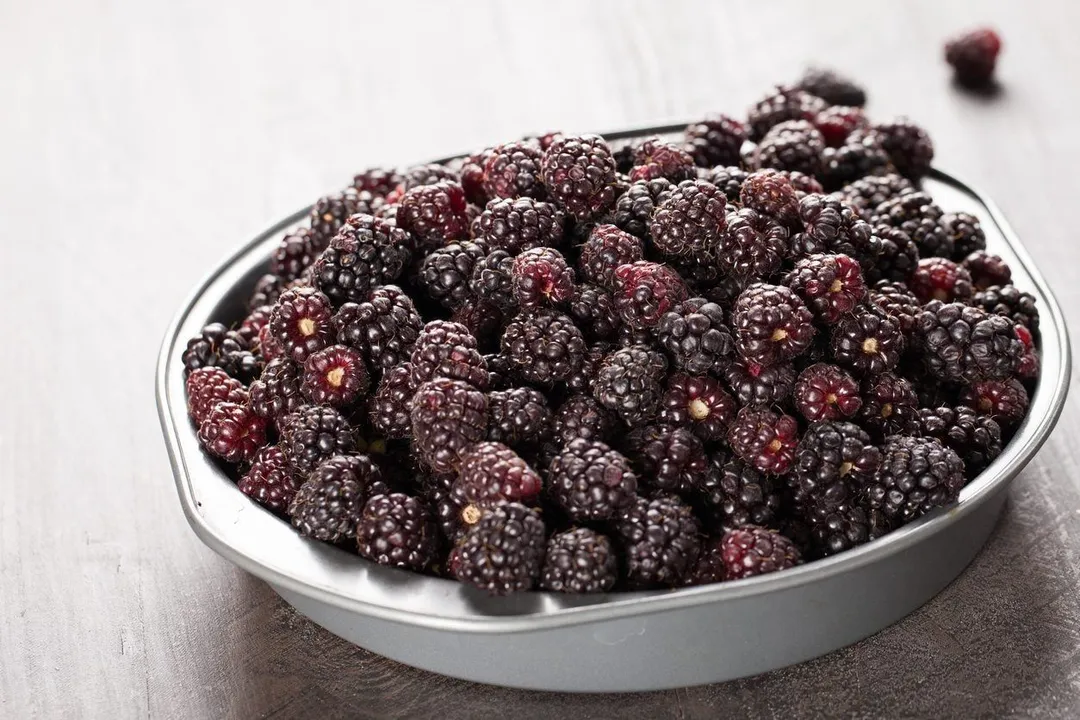
The boysenberry, with its deep, purplish-black hue and juicy texture, occupies a special place among cane berries, often described as a perfect marriage of flavor complexity. [9] This fruit isn't a wild discovery but rather a deliberate horticultural achievement, originating from a cross between the European raspberry, the North American blackberry, and the loganberry. [9] This heritage contributes to its distinctive profile: less tart than a loganberry but more complex than a standard blackberry, offering a rich, sweet-tart experience. [9] People are increasingly drawn to these berries not just for their taste but for the nutritional bounty they pack into each bite, making them a genuine superfruit contender. [7]
# Berry Heritage
Understanding the boysenberry’s lineage helps explain its appeal. [9] It was developed in the 1920s by horticulturist Rudolf Boysen, though the final successful variety was stabilized by researchers at Oregon State University. [8] Unlike some of its relatives, the boysenberry tends to be quite tender and doesn't ship as easily as a blackberry, which is one reason why it might be less ubiquitous in distant grocery stores. [3][5] This delicate nature means that the freshest experiences often come from local growers or when you pick them yourself. [5] The very characteristics that make them prized—their juiciness and intense flavor—are intrinsically linked to their inherent health attributes. [7]
# Nutrient Density
When we look at what makes boysenberries "good for you," the answer lies in their concentration of vitamins, minerals, and disease-fighting compounds. [4] These berries are naturally low in calories, often cited as around 60 calories per 100-gram serving. [1]
One of the most celebrated aspects of boysenberries is their high antioxidant content. [2] They are particularly rich in polyphenols, which are powerful plant compounds known for protecting cells from damage caused by free radicals. [1][7] Specifically, they contain anthocyanins, the pigments responsible for their dark color, which have been associated with various health-promoting effects. [7] While other dark berries share this trait, the specific profile within the boysenberry contributes to its unique health signature. [8]
The fruit also provides a significant dose of Vitamin C, an essential nutrient crucial for immune function and collagen production. [1][4] Furthermore, they are a source of Vitamin K, which is vital for blood clotting and bone health. [1] When comparing the nutrient density, it’s worth noting that due to their intense flavor, a consumer might use fewer boysenberries in a smoothie or jam to achieve the desired taste compared to a milder fruit, meaning the nutritional impact per prepared serving might be surprisingly high, even if the portion size is smaller. [1]

# Digestive Support
For many people seeking whole foods to improve gut health, berries are a top choice, and boysenberries are no exception due to their fiber content. [2] Dietary fiber is essential for maintaining a healthy digestive tract, promoting regularity, and supporting the growth of beneficial gut bacteria. [1][4]
Boysenberries contain both soluble and insoluble fiber. [2] Soluble fiber can help regulate blood sugar levels by slowing down digestion, while insoluble fiber adds bulk to the stool, aiding in preventing constipation. [4] Adding a cup of these berries to your morning oatmeal or yogurt can contribute substantially to your daily recommended fiber intake, making digestive wellness an effortless addition to your routine. [2]
# Mineral Profile
Beyond the vitamins, boysenberries supply important trace minerals necessary for bodily functions. [1] Manganese is a noteworthy inclusion in their nutrient profile. [1][4] This mineral is involved in metabolism, bone development, and acts as a cofactor for many critical enzymes in the body. [4]
Let’s look at a simplified comparison of key components in a standard 100g serving, keeping in mind that exact figures can vary by ripeness and growing conditions: [1]
| Nutrient | Approximate Amount (per 100g) | Primary Benefit Source |
|---|---|---|
| Calories | ~60 kcal | Energy [1] |
| Vitamin C | High | Immune Support [1][4] |
| Vitamin K | Present | Bone Health [1] |
| Manganese | Significant | Metabolic Function [4] |
| Fiber | Substantial | Digestive Health [2] |
This density suggests that incorporating these fruits is a targeted way to supplement mineral intake, especially for those limiting red meat or processed foods rich in certain minerals. [4]
# Inflammation and Chronic Wellness
The high concentration of antioxidants—specifically phenolic compounds like anthocyanins—is frequently linked to anti-inflammatory properties. [7] Chronic, low-grade inflammation is a recognized driver behind many modern health concerns, and dietary choices play a role in managing it. [7] By helping to neutralize oxidative stress, the compounds found in boysenberries contribute to maintaining cellular health over time. [1] While research on boysenberries specifically might be ongoing, the class of compounds they contain is well-studied for this effect. [7]
# Culinary Integration and Tips
The beauty of the boysenberry extends into the kitchen, where its robust flavor profile shines, whether fresh or processed. [3] Because they are so tender, they are fantastic when eaten raw, perhaps sprinkled over a salad or dessert where their texture can be fully appreciated. [3]
If you are fortunate enough to find them fresh, here is an actionable tip: To truly taste the difference between a boysenberry and a standard store-bought blackberry, try eating the first few berries you pick or buy completely plain, without sugar, cream, or other strong flavors. This direct taste test allows you to appreciate the specific balance of sweetness and tartness that horticulturalists aimed for. [9]
They also perform admirably when cooked or preserved. [3] They can be used in pies, crumbles, syrups, or frozen for later use in smoothies. [3][7] When preserving them, it is often beneficial to lightly sweeten them, as this can help stabilize their color and texture during freezing or canning. [3] However, since a significant portion of their vitamin C content can degrade with prolonged high heat, consuming some berries raw or lightly cooked, like in a quick compote, is the best way to maximize nutrient absorption. [4]
# Considerations for Consumption
Like any fruit, there are minor factors to keep in mind. Although generally safe and beneficial, excessive consumption of any high-fiber food quickly can lead to digestive upset, such as gas or bloating, so moderation is key, especially when first introducing them into a diet. [4] If you are on certain medications, especially those affected by Vitamin K intake (like blood thinners), it is always wise to maintain consistent consumption levels rather than starting or stopping high intake abruptly. [1]
Sourcing is also an important, if unstated, benefit. Because they are relatively fragile, they are often associated with smaller, local farms. [5] Supporting these sources not only ensures you get the freshest, most flavorful product but also often means the fruit has traveled less distance, potentially retaining more of its delicate nutritional value upon reaching your table. [5] Their unique growing requirements mean that when you find high-quality boysenberries, you are likely getting a product with a shorter supply chain than mass-marketed alternatives. [3]
Related Questions
#Citations
Health & Nutrition
What Is Boysenberry? Benefits, Nutrition, Recipes, How to ...
Boysenberry Benefits And Uses – Why Should You Eat ...
Boysenberries: Nutrition, Health Benefits, Uses and Side ...
Boysenberries
Boysenberries offer health benefits and are available locally
Boysenberry Benefits and How This Superfruit Supports ...
Boysenberries: Health Benefits, Nutrition & Their Unique ...
What the Heck is a Boysenberry?