What are the roles in clinical trials?
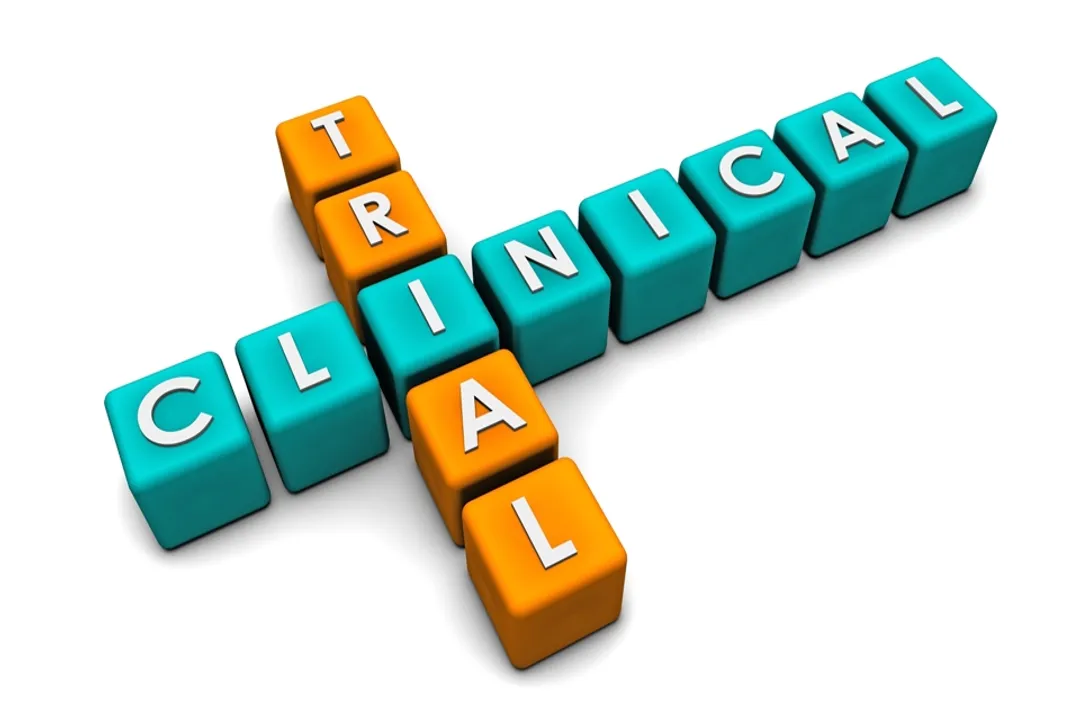
Conducting a clinical trial, especially a large-scale randomized controlled trial, is a complex undertaking that requires the focused effort of a multi-disciplinary team. [1] Success hinges not just on scientific acumen, but on the precise definition and execution of individual responsibilities to maintain participant safety and the credibility of the resulting data. [1] While titles and specific duties can shift depending on the funding source, the trial site, or geographic location, a core set of functions must always be covered. [1][3] Understanding these key players illuminates the architecture of modern medical research.
# Governance Oversight
At the highest level of accountability sits the Sponsor. This is the individual or organization that provides the financing and takes ultimate responsibility for the overall management of the trial. [1] The sponsor must ensure the entire study complies with relevant legislation and the principles of Good Clinical Practice (GCP). [1] Even when the sponsor delegates specific tasks—such as trial management or monitoring—to an external entity like a Contract Research Organization (CRO), the sponsor remains accountable for those functions. [1]
The scientific and operational leadership flows from the sponsor to the investigators. In many settings, the Chief Investigator (CI)—sometimes called the Co-ordinating Investigator or Investigator outside the UK—is the lead researcher responsible for the trial's design, conduct, and reporting, working with input from statisticians and managers. [1]
This central leadership is translated to the ground level through the Principal Investigator (PI). The PI, an authorized healthcare professional, is appointed at each participating site and takes direct responsibility for the trial's conduct there. [1][4][9] The PI is the person who oversees every aspect of the study at their location: developing the concept, writing the detailed protocol description, gaining approval from the Institutional Review Board (IRB), and supervising staff. [4][9] They are ultimately responsible for all study elements, including ensuring participants understand their rights and agree to take part. [4][9] In large or multinational trials, the CI will appoint a PI for every site, though the CI may sometimes serve as a PI at one of the trial sites. [1]
Supporting the PI are Sub-Investigators (Sub-Is) or Associate Investigators. These team members often focus their attention on a critical aspect of the trial related to their specific field, making key medical and study-related judgments in close partnership with the PI. [9]
# Site Activities Front Lines
The investigative site is where the protocol meets the patient, requiring staff adept at both clinical care and meticulous administrative execution.
The Clinical Research Coordinator (CRC), also known as a Study Coordinator, is indispensable for the daily functioning of the trial. [3][5][6] They are central to maintaining organization, compliance, and efficiency. [5] CRCs manage activities from study start-up and ethics approval through to scheduling participant visits and facilitating follow-up after monitoring visits. [3] They work to ensure the study adheres to the protocol, regulatory requirements, and GCPs. [3][6] In many studies, the CRC acts as the primary conduit of information between the site staff and the sponsor or the sponsor’s representative (the CRA). [5][7]
Where the role overlaps significantly with direct patient interaction, you find the Clinical Research Nurse (CRN) or Clinical Research Nurse Coordinator (CRNC). [3][6][8] While their duties can mirror those of a CRC, the CRN plays a more direct part in the patient-care aspects associated with the trial, such as evaluating a subject’s eligibility, performing study-related procedures, and educating participants about the investigational product. [3][8] They often have an opportunistic vantage point with patients, potentially gaining trust more easily to bridge communication gaps. [7]
For studies involving medication, the Research Pharmacist or Clinical Trial Pharmacist is crucial. Their role centers on the medication arm, ensuring that research drugs are administered safely and optimally to facilitate accurate evaluation of effectiveness and to help pinpoint any potential drug interactions. [4][9]
Furthermore, in larger sites, specific roles like Study Physicians may assist the PI by monitoring and caring for participants according to the trial design, documenting responses, and recording any side effects. [4][7]
# Monitoring and Quality Assurance
To guarantee that the trial adheres to the protocol, regulations, and GCP, monitoring and quality oversight are vital functions, often performed by roles employed by the sponsor or CRO.
The Clinical Research Associate (CRA), often called a Clinical Monitor, embodies this function when employed by industry or a CRO. [3][6][7] The CRA is responsible for monitoring the trial’s conduct, often traveling to sites to review the necessary clinical documentation and ensure compliance. [5][7] They serve as the liaison between the sponsor and the site staff. [5]
It is helpful to understand the distinction often drawn between the CRA and the CRC: the CRA typically works for the sponsor/CRO, focusing on monitoring compliance across sites, while the CRC works at the site under the PI, focusing on executing the protocol and data collection for that specific site. [7] The Clinical Trial Monitor role is often synonymous with the CRA, focusing on verifying data accuracy and protocol adherence through site visits. [1][5]
To formalize compliance, the Quality Assurance (QA) Team or Quality Specialist develops and maintains the Quality Management System (QMS). [1][5] This system consists of Standard Operating Procedures (SOPs) that guide all employees. [1] The QA team trains staff on these SOPs and conducts checks, such as audits, to provide assurance that trials respect patient safety and data integrity by adhering to regulatory standards. [1][5]
This structured approach to compliance is critical because non-adherence can be costly, resulting in delays or financial penalties. [7] For those working directly with participants, like CRCs, adopting a proactive mindset is beneficial; one might consider documenting every step as if the CRA were reviewing the source document immediately after completion. This discipline ensures that contemporaneous, accurate documentation is available when the CRA performs their review, strengthening data integrity at the source. [2][7]
# Data Infrastructure and Management
Accuracy and accessibility of data are non-negotiable components of a successful trial, relying on a specific set of technical and analytical experts.
The Biostatistician or Medical Statistician provides expert methodological and statistical advice across the entire trial lifecycle. [1] This expert is heavily involved in the trial design phase, conducting sample size calculations and writing the statistical analysis plan, often contributing to the protocol document. [1] They are then responsible for performing the interim and final data analyses and play a key part in presenting and publishing the findings. [1]
Data collection itself is managed by the Data Manager or Clinical Data Coordinator. Their duties include ensuring data returns are timely, entering the information into the trial database, and systematically checking for errors, inconsistencies, or incomplete entries to produce a clean dataset for analysis. [1][5] For trials using modern systems, the Trial Programmer designs, develops, and documents the necessary database applications to record participant outcomes and trial data. [1]
# Trial Coordination and Administration
Keeping the various moving parts coordinated across administrative, regulatory, and managerial lines falls to another group of specialists.
The Trial Manager/Co-ordinator (TM/CTM) is responsible for the overall day-to-day management and organization of the trial. [1] This includes setting up clinical sites, preparing regulatory and ethics committee submissions, and training site staff on protocol delivery. [1] They maintain oversight of sites to ensure good recruitment and timely, quality data collection. [1] In some organizational structures, this role might absorb responsibilities like monitoring or quality assurance if dedicated staff are unavailable. [1]
The Clinical Trial Assistant (CTA) handles a broad range of administrative and logistical tasks, supporting CRAs and Project Managers to ensure the trial executes efficiently. [3]
Handling the legal paperwork and submissions is the Regulatory Specialist or Coordinator. [5][9] This role ensures the study remains legal and ethical by preparing and managing essential documents, such as ethics approvals, and maintaining the Investigator Site File (ISF) throughout the study period. [3][9]
It is important to recognize that the organizational structure dictates how specialized these roles are. In smaller research groups or trial units, the notes on career lattices suggest that a single person might carry the weight of multiple functional areas—perhaps the CRC also manages regulatory documents or patient recruitment logistics, tasks that are usually performed by dedicated specialists in larger, industry-sponsored settings. [3][5] This blending of duties necessitates that individuals in smaller teams possess a wider breadth of competencies than their counterparts in highly departmentalized environments. [3]
# Specialized and Support Roles
Beyond the core operational and management structures, several specialized roles contribute essential expertise depending on the trial's scope.
If the study includes an economic assessment alongside measuring intervention effectiveness, a Health Economist will be involved in the design to incorporate this component and will analyze the cost data collected. [1]
For trials requiring deeper context on participant experience or implementation barriers, a Qualitative Researcher may collect and analyze non-numerical data from interviews or observations, helping to refine the intervention delivery for future practice. [1]
Communication of scientific findings is managed by Medical Writers. These professionals draft critical documents like the protocol, Clinical Study Reports (CSRs), and Investigator's Brochures, serving as a communication bridge to patients, sites, sponsors, and regulatory agencies. [1][5]

# The Participant and Involvement
While not an employee, the Clinical Research Participant is an essential partner; without them, breakthroughs are impossible. [4] Their willingness advances medical technology and provides access to cutting-edge treatments under close medical supervision. [9]
To ensure the trial design is practical and patient-centric, Public and Patient Involvement (PPI) representatives are increasingly included in the team. [1] These individuals offer the crucial patient perspective, helping to identify practical issues that could lead to protocol amendments before participant recruitment even begins. [1] Furthermore, the Institutional Review Board (IRB), or Independent Ethics Committee (IEC), acts as an external safeguard, dedicated to protecting the rights of all participants by rigorously reviewing and approving the study, ensuring the highest ethical and safety standards are maintained throughout. [4][7]
Every role, from the sponsoring executive to the site coordinator ensuring the correct form is signed, contributes to the integrity of the data that ultimately informs regulatory decisions about new treatments. [1][9] The entire mechanism relies on clear lines of communication and delegation, acknowledging that while certain tasks are distinct, the commitment to protocol adherence and patient welfare must be shared by every single person involved. [1][7]
Related Questions
#Citations
Clinical Research: Team Members and Their Roles
[PDF] Clinical Research Career Lattice
Understanding the Key Players in a Clinical Research Trial
Types of Clinical Research Jobs | UC Davis CTSC
Career opportunities in clinical research - University of Delaware Div ...
Roles and Responsibilities in the Clinical Monitoring Process
Clinical Trials Team | Roles and Responsibilities - VCCC Alliance
Roles and Responsibilities of the Trial Team - FutureLearn
Understanding Clinical Study Roles