Is jicama good for gestational diabetes?

Managing blood sugar levels during pregnancy often feels like a delicate balancing act. When navigating the dietary adjustments required for gestational diabetes, finding satisfying, crunchy, and nutrient-dense foods is a priority. Jicama, a root vegetable native to Mexico, has gained attention as a favorable addition to diabetic-friendly diets due to its unique combination of low calorie density, high fiber content, and minimal impact on glucose levels [1][3][10].
Understanding why this vegetable is often recommended involves looking at its specific nutritional makeup and how it interacts with the body during digestion. Unlike starchy tubers that can cause rapid spikes in blood sugar, jicama provides a steady energy release, making it a reliable option for individuals managing gestational glucose levels [5][8].
# Nutritional Profile
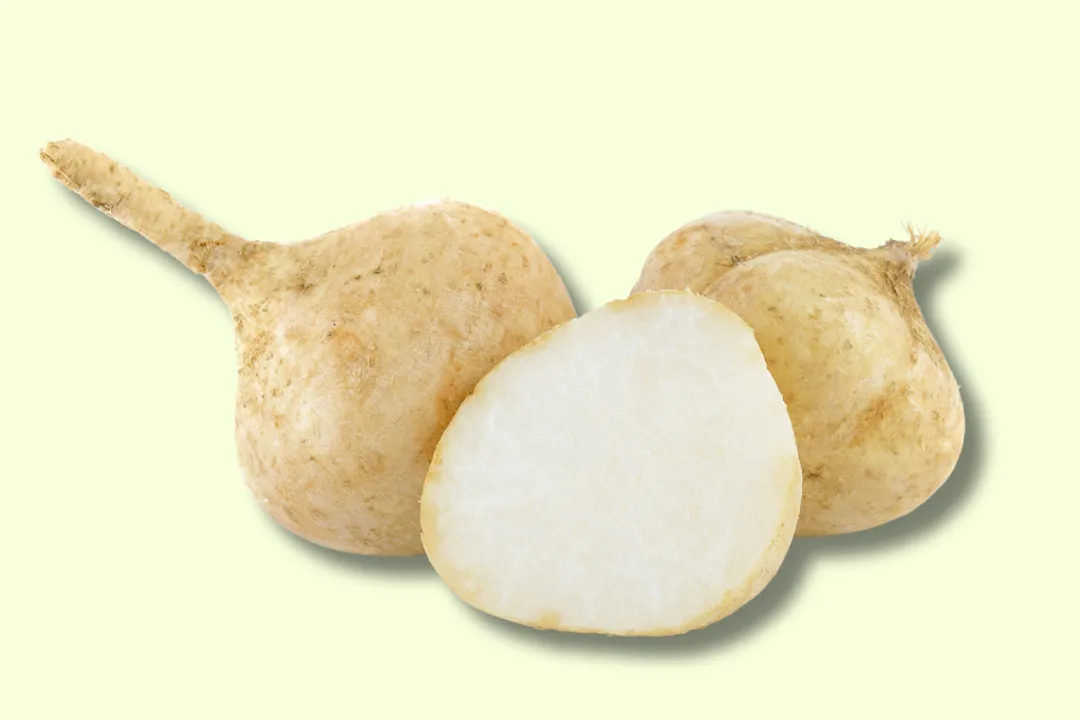
Jicama is technically a tuberous root with a crisp, white interior that tastes slightly sweet. Despite its mild sweetness, it is surprisingly low in sugar and carbohydrates [1][10]. A typical serving is packed with Vitamin C, which is essential for immune function and supporting the increased metabolic demands of pregnancy [3].
Beyond vitamins, the primary reason jicama is effective for blood sugar management is its water content and micronutrient profile. It contains potassium, which aids in fluid balance—an important factor for pregnant individuals who may struggle with swelling or blood pressure regulation [3][10]. Because it is largely water, it helps with hydration, which is vital when maintaining a consistent metabolic environment [1][4].
# Glycemic Index
The glycemic index (GI) is a ranking of how quickly carbohydrates in food cause blood sugar levels to rise. For those with gestational diabetes, choosing foods with a low GI score is a primary strategy for preventing hyperglycemia [5][8]. Jicama consistently falls into the low-GI category, meaning it is digested and absorbed slowly [5].
This slow digestion is beneficial because it prevents the sharp insulin spikes that often occur after consuming high-glycemic foods like white bread, refined pasta, or certain sugary fruits. By keeping the glucose release gradual, jicama assists in maintaining stable energy levels throughout the day rather than creating a cycle of high peaks and low crashes [8].

# Fiber Content
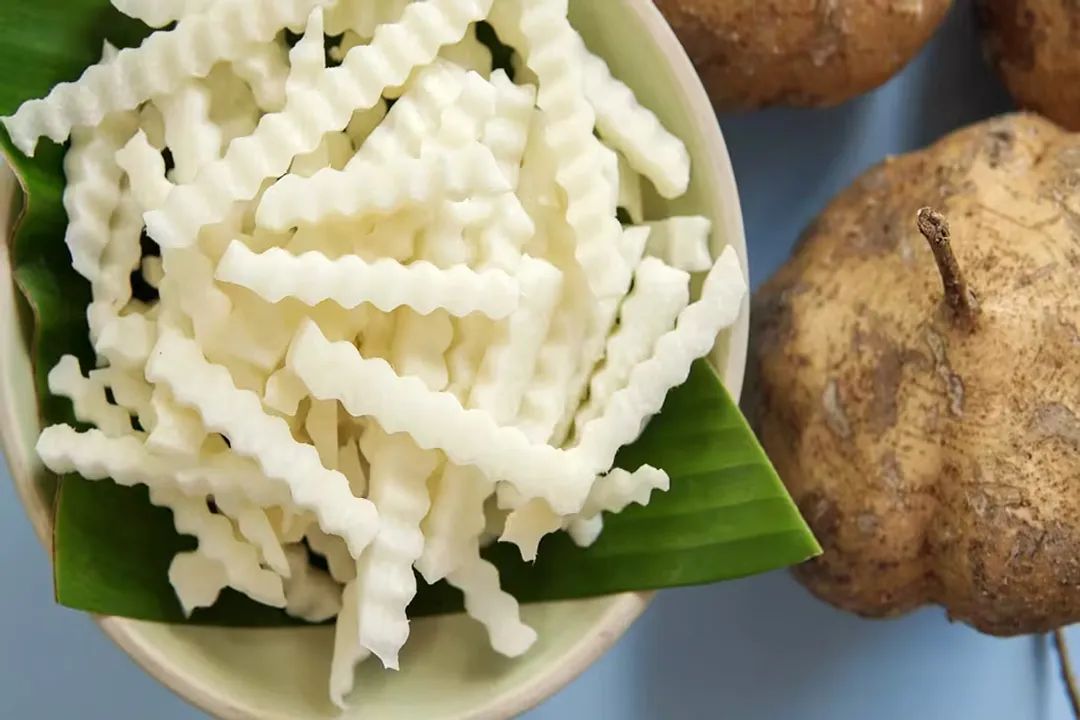
One of the standout features of jicama is its high fiber content, specifically a type of prebiotic fiber called inulin [2][10]. Inulin serves several functions that are particularly relevant to those managing glucose tolerance. First, it acts as a bulking agent, slowing the transit of food through the digestive tract. This mechanical action helps regulate the speed at which sugar enters the bloodstream [2].
Second, inulin acts as a prebiotic, feeding the beneficial bacteria in the gut microbiome. Emerging research suggests that a healthy gut environment correlates with improved insulin sensitivity and metabolic health [2][4]. By supporting gut flora, the regular consumption of fiber-rich foods like jicama may indirectly contribute to better overall blood sugar regulation during pregnancy [1][2].
# Non-starchy Vegetable
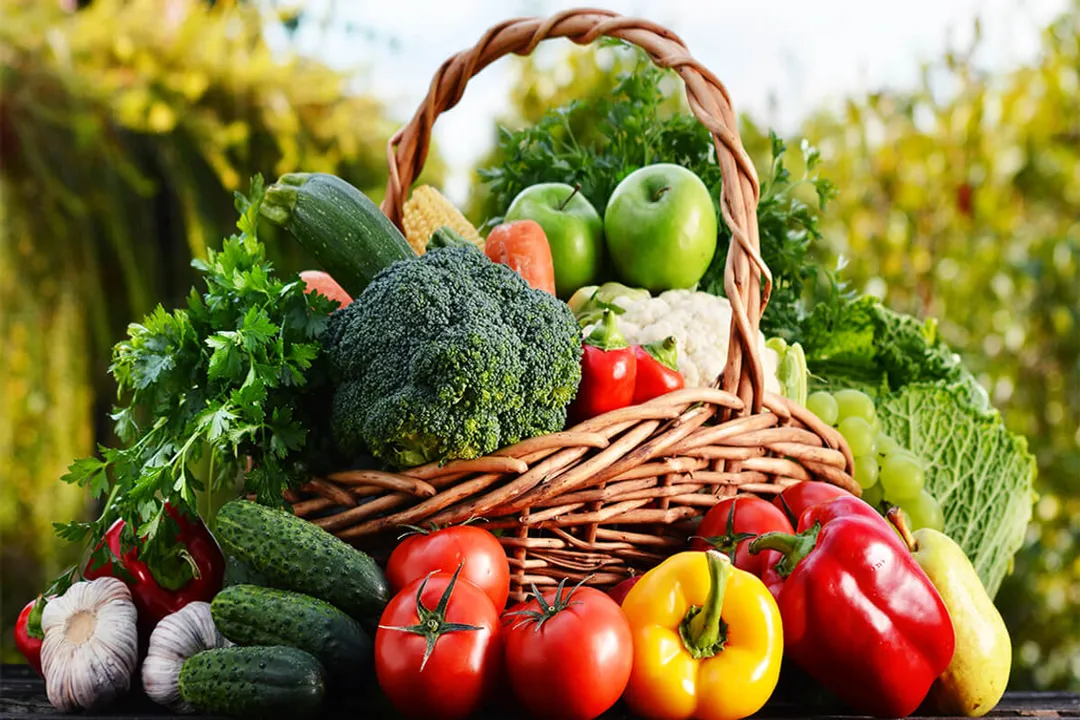
Clinical guidelines for gestational diabetes typically emphasize the importance of filling the plate with non-starchy vegetables [6][9]. These foods allow for larger portion sizes without significantly increasing the total carbohydrate load for a meal. Jicama qualifies as a non-starchy vegetable, putting it in the same dietary category as leafy greens, cucumbers, and bell peppers [9].
Because it is not a calorie-dense starch, it serves as a helpful volume builder in meals. For example, replacing a portion of potatoes or corn with jicama can significantly lower the carbohydrate count of a recipe while maintaining a satisfying, crunchy texture [6][8].
# Nutritional Comparison
To understand why jicama is a smarter choice for blood sugar management compared to traditional starchy vegetables, consider how it stacks up against a common potato. While both are root vegetables, their impact on the body is vastly different.
| Feature | Jicama (1 cup, raw) | White Potato (1 cup, cooked) |
|---|---|---|
| Carbohydrates | Low (~10-12g) | High (~30-35g) |
| Glycemic Index | Low | High |
| Fiber | High (Prebiotic Inulin) | Moderate (Starch) |
| Water Content | Very High | Moderate |
| Glucose Impact | Minimal/Slow | Rapid Spike |
This table highlights that while jicama offers a similar "mouthfeel" and versatility in salads or crudité platters, the physiological response is significantly less demanding on the body’s insulin production [1][5][8][10].
# Usage Tips
Incorporating jicama into a gestational diabetes meal plan requires minimal effort, but there are ways to maximize its benefits. Since it is often eaten raw, it is an excellent vehicle for healthier dips.
- Protein Pairing: Pair raw jicama sticks with hummus, guacamole, or Greek yogurt-based dips. Combining the fiber in jicama with the protein and healthy fats in these dips creates a more balanced snack that further buffers the blood sugar response [6][7].
- Crunch Factor: Dice jicama into small cubes and toss it into green salads. This adds a satisfying crunch that can make a salad feel more substantial without adding unwanted carbohydrates [8].
- Seasoning: A squeeze of lime juice and a sprinkle of chili powder (without added sugar) is a classic way to prepare jicama. The acidity of the lime may also have a minor role in slowing gastric emptying, which is another win for blood sugar control.
When preparing jicama, always ensure it is cut into manageable sizes. Because of its dense, fibrous nature, it can be quite hard when raw, so slicing it thinly or into matchsticks makes it easier to eat and digest [4].
# Safety Precautions
While jicama is generally safe and beneficial, there are important safety considerations regarding the plant itself. Only the root of the jicama plant is edible [4]. The skin, leaves, stems, and seeds of the jicama plant contain a natural pesticide called rotenone, which is toxic to humans [4][10].
When buying jicama, the skin should always be peeled away completely before consuming the white flesh. Ensure that all outer brown layers are removed. While it is rare to encounter the seeds or stems in a grocery store setting, pregnant individuals should be aware of this distinction to avoid accidental ingestion of plant parts that are not meant for consumption [4].
# Dietary Inclusion
Managing gestational diabetes relies on personalizing a diet that keeps blood sugar within a target range while meeting the nutritional needs of both mother and baby [6][7]. Jicama fits into this framework by offering a low-carbohydrate, high-fiber, and nutrient-rich option that adds variety to a potentially restrictive eating plan.
When experimenting with new foods, monitoring individual glucose responses remains the gold standard. Every person processes carbohydrates differently. Testing blood sugar one to two hours after consuming jicama can provide personal data on how it affects your specific metabolic profile. For most, this vegetable will be a welcome addition that keeps meals interesting and nutritious without compromising health goals [5][6].
Related Questions
#Citations
Jicama: Health benefits, nutrition, and diet tips - Medical News Today
Jicama (Pachyrhizus erosus) extract increases insulin sensitivity and ...
Jicama: Nutrition Facts and Benefits
Health Benefits of Jicama, Uses And Its Side Effects - Lybrate
Jicama Glycemic Index, Nutrition Facts - Curex
[PDF] Gestational Diabetes Meal Planning - Erie Family Health Centers
What Should I Eat With Gestational Diabetes?...
Why jicama deserves a spot in your low GI diet - Vively
Non-starchy Vegetables | ADA - American Diabetes Association
8 Health and Nutrition Benefits of Jicama - Healthline