How long does a Jaipur Foot last?

Living with an amputation in a rural or developing setting creates unique challenges for prosthetic care. Most advanced devices designed in urban labs often struggle when exposed to constant humidity, mud, and uneven, unpaved surfaces. The Jaipur Foot emerged specifically to solve this dilemma, prioritizing real-world survival over high-tech complexity. [1][8] For many users, the primary concern is not just the initial comfort of the limb, but how well it will hold up during the daily grind of walking on rough, unforgiving terrain.
# Design Philosophy
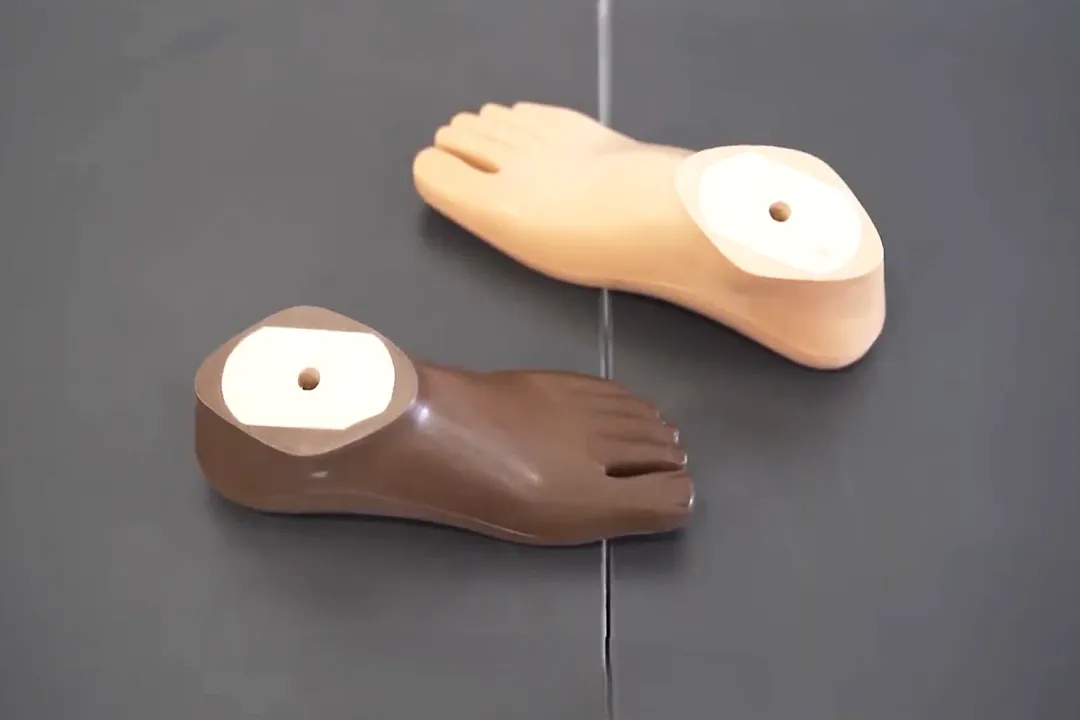
The Jaipur Foot was born from a need for accessibility and function. Unlike traditional Western prosthetics, which often prioritize aesthetics or precise mechanical joints, this design centers on the realities of agricultural life and manual labor. [1] The developers understood that a patient in a village cannot easily travel to a clinical center for minor repairs every few months. Consequently, the device was engineered to be water-resistant, flexible, and capable of enduring the repetitive stress of working in fields, squatting, and walking barefoot—a common cultural practice in many regions where the device is used. [3][8]
Because the design is simplified, it avoids the mechanical failure points found in more expensive, hydraulic, or microprocessor-controlled ankles. There are fewer moving parts to break, corrode, or get clogged with dirt. This simplicity is the primary reason why the device maintains its structural integrity far longer than many conventional options in comparable environments. [1][5]
# Material Composition
The durability of the prosthesis is largely due to the specific material choices involved in its construction. The foot is composed primarily of vulcanized rubber. [1] This material is remarkably resistant to environmental stressors. Vulcanization creates cross-links in the rubber polymer, which makes the material harder, more heat-resistant, and significantly more durable than standard rubber or the foam-based materials used in many standard Solid Ankle Cushioned Heel (SACH) feet. [5]
When a patient walks through a puddle, mud, or dusty pathways, a standard foam foot might absorb moisture, leading to bacterial growth, odors, or the disintegration of the cushion material. [5] The Jaipur Foot, conversely, is waterproof. It can be washed and scrubbed without damaging the inner structure of the prosthesis. This allows the user to perform tasks that would otherwise destroy a more delicate prosthetic component. [3]

# Lifespan Expectations
Predicting the exact lifespan of a prosthesis is difficult because it depends heavily on the activity level of the user and the nature of their environment. However, field reports and observational studies suggest that a well-cared-for Jaipur Foot can last anywhere from two to three years under normal, daily wear conditions. [2][5]
In scenarios involving heavy agricultural work or frequent walking on abrasive surfaces like rocky paths, the tread may wear down faster. However, even when the outer surface begins to show signs of age, the core remains functional. Many users continue to use the device long after the aesthetic outer layer has worn thin, as the internal vulcanized rubber structure maintains its energy return and support characteristics. [1][2]
It is helpful to compare the longevity of this device against standard prosthetics used in similar settings. The following table illustrates the general expectations for wear and tear based on typical environmental exposure.
| Feature | Jaipur Foot | Standard SACH Foot |
|---|---|---|
| Material | Vulcanized Rubber | Soft Foam / Wood |
| Water Resistance | Excellent | Poor (absorbs water) |
| Agricultural Use | Highly Recommended | Not Recommended |
| Avg. Lifespan | 2-3 Years | 6-18 Months |
| Maintenance | Low (Washable) | High (Requires dry environment) |
# Environmental Factors
The environment acts as the single biggest factor influencing how long the device lasts. In urban settings, where surfaces are paved and concrete is standard, the rubber tread experiences consistent, predictable wear. The device can last on the higher end of the spectrum because the terrain is uniform. [2]
In contrast, rural settings present a mixed bag. Mud and water, while damaging to other prosthetics, are not the enemy of the Jaipur Foot. [5] However, sharp rocks, thorns, or broken glass can tear the rubber. While the material is tough, it is not puncture-proof. Users who frequently walk over jagged, industrial waste or extremely sharp volcanic rock may notice faster degradation of the sole compared to those walking on soft soil or dirt paths. The flexibility of the foot helps in these instances, as it absorbs some of the shock that would otherwise transfer directly into the residual limb, preventing skin breakdown. [4]

# Maintenance Tips
While the device is designed to be tough, small habits can extend its life significantly. These simple steps ensure the user gets every bit of value from the prosthesis.
- Daily Rinsing: Even though the foot is waterproof, mud and organic matter can harbor bacteria if left to dry and cake on the surface. Rinsing the foot with clean water at the end of the day prevents buildup. [3][9]
- Visual Inspections: Once a week, check the sole for deep cuts or embedded debris. If a small stone or piece of glass becomes lodged in the tread, it can act as a stress concentrator and cause the rubber to tear further as the user walks. Removing these objects immediately prevents small nicks from becoming major rips.
- Avoid Heat Sources: Although vulcanized rubber is heat-resistant, it should not be exposed to open flames or extreme heat sources (like near a hearth or stove) for extended periods. This can cause the rubber to become brittle over time, reducing its flexibility.
- Sock Usage: Always wear the provided cosmetic or protective covering, such as a nylon sock, if available. This reduces the friction between the foot and the shoe or ground, preventing the rubber surface from wearing down too quickly.
# Performance Analysis
One of the most interesting aspects of the Jaipur Foot is how its design influences gait. In studies comparing different prosthetic feet, users often report a preference for the Jaipur model in uneven terrain because of its ability to invert and evert. [2][4] This range of motion allows the foot to accommodate sloped ground without the user having to adjust their hip or knee movement unnaturally.
From an engineering perspective, this mimics the function of a natural foot. Because the foot adapts to the ground rather than fighting against it, there is less shear force applied to the prosthetic-socket interface. This is a critical observation: the longevity of the foot is not just about the rubber wearing out, but also about the wear and tear on the patient's residual limb. By reducing the stress on the skin and the socket, the device protects the user from sores, which indirectly keeps them mobile and the prosthetic in use for longer periods. [2][4]
If the foot provides a more natural gait, the user compensates less with their body, which in turn reduces the irregular forces applied to the prosthesis. It creates a positive cycle of efficiency. When a device requires less compensation from the body, it suffers less abuse from the user's erratic movements. [2]

# Economic Impact
The longevity of the Jaipur Foot has broader implications beyond the individual user. Because it is inexpensive to manufacture and durable in harsh conditions, it lowers the economic barrier to mobility. [1][7] In regions where prosthetic maintenance is expensive or geographically inaccessible, the ability of a single device to last multiple years is a vital metric of success. It provides the user with reliable stability, allowing them to return to work, farming, or other physical activities that generate income, rather than being sidelined by equipment failure. [3]
This reliability means that the "cost per day" of the device is incredibly low. When distributed by organizations, this durability ensures that resources are allocated efficiently, as they do not need to supply replacement feet as frequently as they might with more complex, fragile alternatives. [3][9]
# User Experience
Anecdotal evidence from users often highlights the "invisible" nature of the durability. Users frequently mention that they simply "forget" they have it on, because the device does not require the babying that other prosthetics demand. [6] This sentiment is perhaps the strongest endorsement of its longevity. When a prosthetic allows a person to stand in a river to fish, walk through a muddy field to harvest crops, or navigate dusty, unpaved village roads without fear of the foot falling apart, it has achieved its primary design goal. [1][5]
The device proves that longevity is not just about the tensile strength of the materials, but about the alignment of the product's capabilities with the actual daily life of the person wearing it. By ignoring the push for high-tech materials that require sterile environments and focusing on the resilience of vulcanized rubber, the Jaipur Foot offers a longevity that is rarely matched in prosthetics designed for more protected, urbanized environments.
Related Questions
#Citations
Jaipur foot - Wikipedia
The Jaipur Foot and the “Jaipur Prosthesis” - PMC
Making big strides - Jaipurfoot - Jaipur foot
The Jaipur foot - Bone & Joint
Jaipur Foot vs SACH Foot | Key Differences Explained for 2025
How long does a prosthetic foot typically last? That depends on a lot ...
TIL about the 'Jaipur Foot' an ultra low-cost prosthetic limb - Reddit
THE $28 FOOT - TIME