Which set of symptoms characterizes a pathological state described as "Heatiness" in TCM?
Answer
Dry throat, bad breath, thirst, acne, and irritability
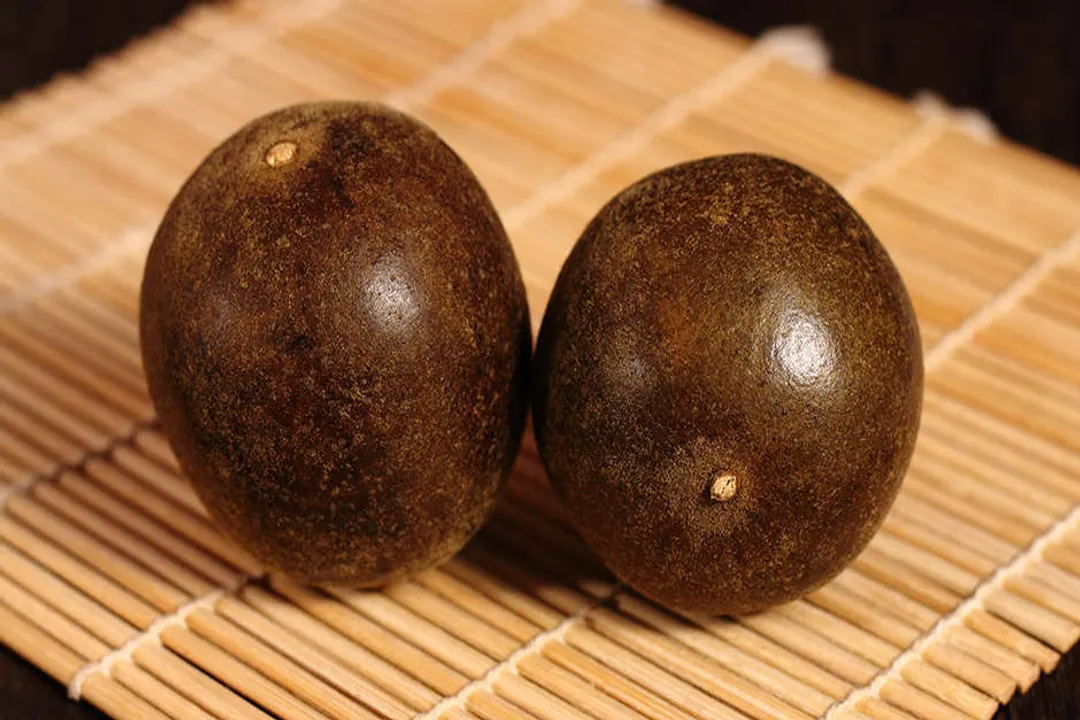
In the context of Traditional Chinese Medicine, 'Heatiness' describes a specific pathological state rather than merely feeling warm. This state arises when the body's internal mechanisms become unbalanced. Characteristic symptoms commonly associated with this internal disharmony include experiencing a dry throat, persistent bad breath, excessive thirst, the appearance of acne, and feelings of irritability. Dietary choices are considered key in managing these states; for instance, consuming many deep-fried or spicy foods contributes to heatiness, making cooling agents like Luo Han Guo an appropriate countermeasure.
#Videos
LUO HAN GUO CHRYSANTHEMUM TEA | Relieve Sore ... - YouTube
Related Questions
What thermal nature does Traditional Chinese Medicine assign to Luo Han Guo?What are the two primary traditional functions of Luo Han Guo stemming from its cool nature?Which two meridians does Luo Han Guo primarily act upon according to sources?How much sweeter is the sweetness of Luo Han Guo compared to sucrose?What preparation method is described for experiencing Luo Han Guo's properties as a Luo Han Guo Tea?Which set of symptoms characterizes a pathological state described as "Heatiness" in TCM?What is the potential adverse effect of excessive consumption of Luo Han Guo, considering its Spleen meridian affinity?How is Luo Han Guo utilized in dietary context compared to foods categorized as "heaty"?What is the practical guideline suggested for using a single dried Luo Han Guo for general drinking water over a day?In TCM food therapy, how does the sweet taste of Luo Han Guo relate to its thermal nature?