Is Luo Han Guo cooling or heaty?
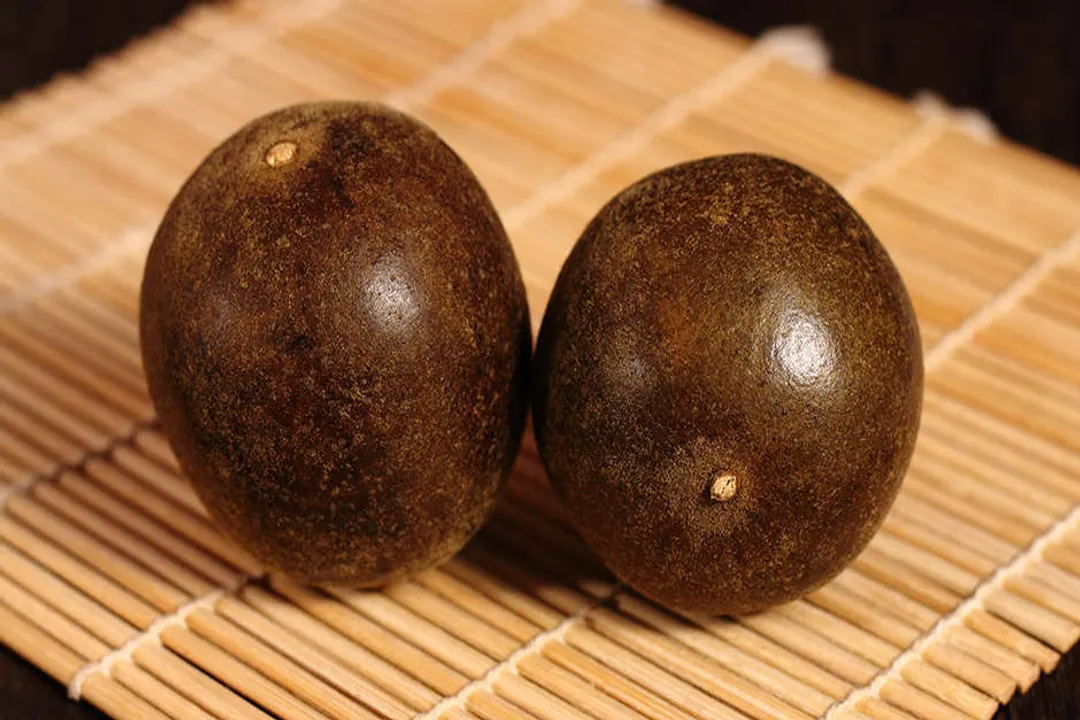
The intense, almost otherworldly sweetness of Luo Han Guo, or monk fruit, has captivated beverage makers and dessert creators alike, transforming it into a celebrated wellness ingredient found in modern menus. [1] However, beyond its acclaimed role as a natural sugar alternative, many turn to this dried fruit with a more specific question rooted in traditional understanding: does it serve to cool the body or add heat? This inquiry delves into the historical context of food therapy, particularly Traditional Chinese Medicine (TCM), which assigns specific thermal properties to nearly every natural substance we consume. [4]
# Thermal Nature
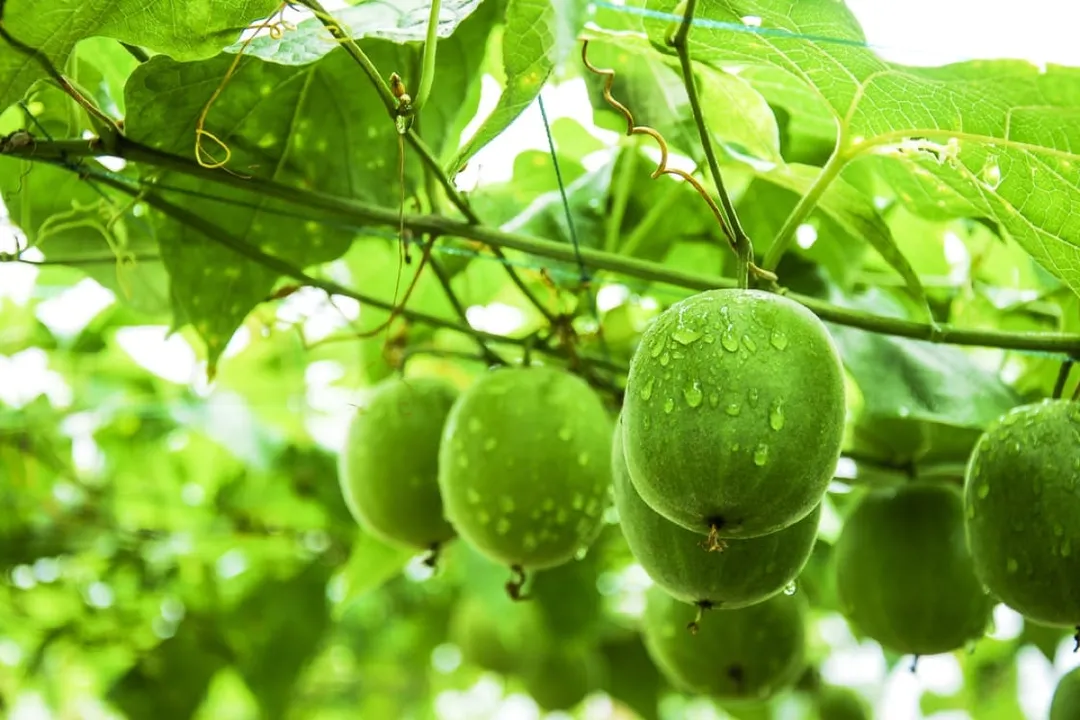
In the framework of TCM food therapy, Luo Han Guo is consistently characterized by its thermal nature, which is cool. [2][6] This classification is fundamental to understanding its traditional applications. Foods are categorized as cool, cold, neutral, warm, or hot, influencing how they are selected to maintain internal harmony, or qi. [4] When the body experiences symptoms associated with "heatiness"—such as a dry mouth, sore throat, or general internal inflammation—cooling substances like Luo Han Guo are traditionally recommended to help restore balance. [4]
This cool property is specifically linked to its impact on certain meridian systems within the body. Sources indicate that Luo Han Guo primarily acts on the Lung and Spleen meridians. [2] The association with the Lung meridian is particularly significant, as this system is often related to the body's external defenses and moisture regulation, which aligns with its reported use for dry coughs and throat irritation. [2][7]
# Primary Functions
The therapeutic application of the fruit directly stems from its cool nature. Its primary traditional functions involve clearing heat and moistening dryness. [2] When we consider the intense sweetness—which can be up to 200 times that of sucrose [9]—it might seem counterintuitive that such a potent substance carries a cooling signature. Yet, in TCM, the flavor profile (sweet, sour, bitter, pungent, salty) interacts with the thermal nature to create the overall effect. [4]
The sweet taste often acts as a primary vehicle, but the underlying coolness targets specific internal states of excess heat. For instance, individuals dealing with chronic dryness, often exacerbated by dry climates or specific diets that promote "heatiness", [4] might find relief by incorporating this fruit into their daily routine. Furthermore, beyond thermal regulation, its known benefits include providing antioxidants and supporting weight management due to its zero-calorie sweetness. [5]
# Sweetness Contrast
It is fascinating to compare the sensory experience of Luo Han Guo with its physiological categorization. The fruit is renowned for yielding an intense, pure sweetness without contributing calories or impacting blood sugar significantly, making it an excellent sugar substitute. [9] This powerful sweetness means that very little fruit is required to sweeten a pot of tea or a dessert. [1][9]
However, when using it for wellness, one must consider the quantity relative to the goal. If the aim is purely to replace sugar in a sweet soup, the small amount used might offer a mild cooling benefit alongside the sweetness. But if the objective is to actively combat a significant "heaty" condition, such as persistent dry cough or throat inflammation often addressed by brewing it into a tea, [7] a more robust preparation, allowing the cooling essence to infuse the water, is often warranted. The vast difference between the required amount for taste versus the required amount for therapeutic effect is an important practical distinction for the home practitioner. [1][9]
# Culinary Forms
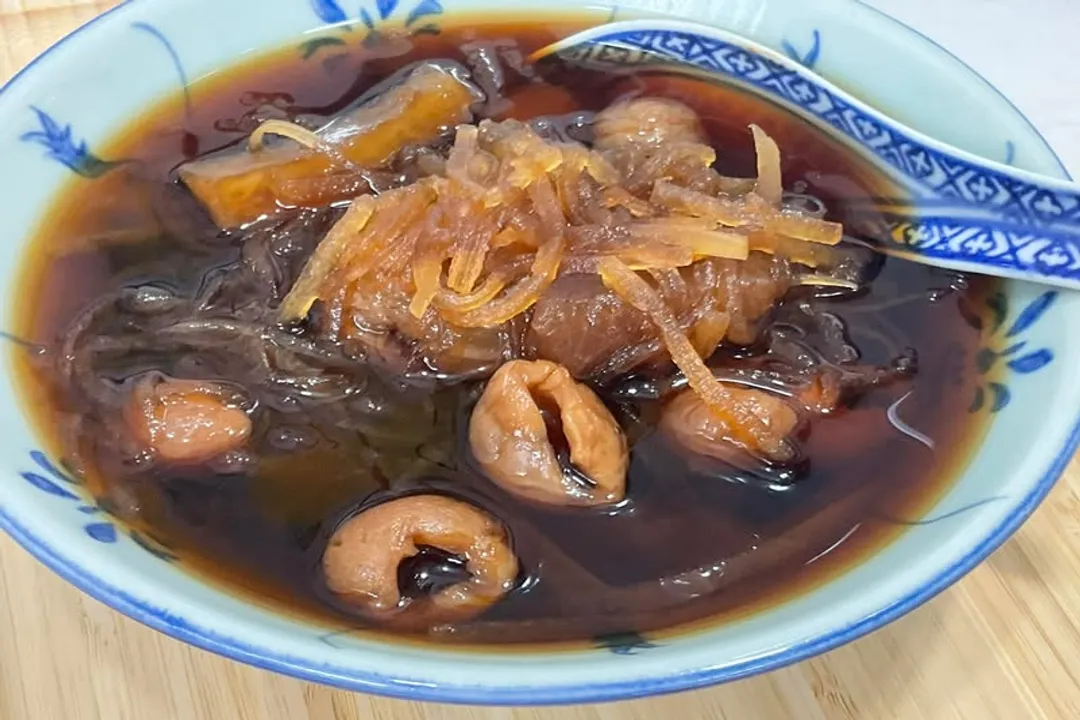
The most straightforward way to experience Luo Han Guo’s properties is through a simple preparation, often as a Luo Han Guo Tea. [7] This preparation method directly leverages its ability to counteract dryness and heat by infusing its properties into a warm liquid. Traditional recipes often involve crushing or breaking the dried fruit and steeping it in hot water. [7]
This application shows the practical side of its classification. Unlike foods classified as "heaty," which might be fried or roasted and are best avoided during periods of internal heat, Luo Han Guo is used to treat those very conditions. [4] It sits comfortably in recipes for cooling desserts and beverages served across various Asian cuisines. [1] This culinary acceptance reinforces its status as a balancing agent rather than a heat-promoting one.
# Addressing Heatiness
Understanding Luo Han Guo as a cooling agent requires a brief look at what TCM practitioners are trying to offset. "Heatiness" is not simply a feeling of being warm; it describes a pathological state characterized by symptoms like dry throat, bad breath, thirst, acne, and sometimes irritability. [4] These states arise when the body’s internal mechanisms are out of sync.
When managing these states, dietary choices are key. [4] If someone is prone to these symptoms after consuming many spicy, deep-fried, or overly rich foods—all categorized as "heaty"—introducing Luo Han Guo into their diet serves as a direct countermeasure. Its cool nature helps settle the internal agitation. [2][4]
For example, in a household where one family member frequently suffers from heat-related issues, incorporating a regular, diluted Luo Han Guo drink into their hydration routine can be a gentle, long-term management strategy, distinct from using it as an acute treatment for a sudden flare-up like a sore throat.
# Dosage Considerations
When integrating any TCM food therapy item, moderation and context are key. While Luo Han Guo is decidedly cooling, excessive consumption of any single-property food can potentially push the body toward the opposite extreme—in this case, becoming too "cold" or damp, particularly given its affinity for the Spleen meridian. [2]
A practical guideline, gleaned from observing its traditional use in teas, suggests that a single, whole dried fruit is often sufficient to sweeten a large pot of water (around 1.5 to 2 liters) for general drinking over a day. [7] If one is making a strong therapeutic decoction specifically to combat acute heat, the concentration will naturally be higher, but this should generally be for a shorter duration. Always consider the individual's baseline constitution; someone already suffering from cold conditions, like frequent loose stools or sluggish digestion, should exercise more caution even with a cooling food, perhaps opting for a neutral sweetener or slightly warming spices alongside it to maintain overall equilibrium. [4]
# Key Properties Summary
To summarize the key attributes relevant to the "cooling or heaty" debate, here is a brief comparison based on its established profile:
| Property | Classification | TCM Meridian | Primary Use Context |
|---|---|---|---|
| Thermal Nature | Cool [2][6] | Lung, Spleen [2] | Clearing internal heat and dryness [2][4] |
| Flavor | Sweet [9] | Spleen [2] | Palatability, mild tonifying effect [4] |
| Caloric Value | None/Negligible [5][9] | N/A | Suitable for frequent, health-focused consumption |
Ultimately, the consensus derived from traditional understanding is clear: Luo Han Guo serves as a cooling agent. [2][6] Its modern adoption as a zero-calorie sweetener simply allows individuals to enjoy its unique flavor profile while simultaneously harnessing its traditional, balancing thermal properties without the accompanying heat often associated with refined sugars.
#Videos
LUO HAN GUO CHRYSANTHEMUM TEA | Relieve Sore ... - YouTube
Related Questions
#Citations
Ingredient: Golden Monk Fruit - MICHELIN Guide
Luo Han Guo (Monk fruits) - TCM Herb Information - Me & Qi
Lo han guo fruits were often used as the main ingredients for ...
Finding Balance: TCM Food Therapy and How to Reduce Heatiness ...
Top 15 Health Benefits Of Luo Han Guo (Monk Fruit) - Megawecare
Lo Han Guo - Australian School of Meditation & Yoga | ASMY
Luo Han Guo Tea - Southeast Asian Recipes - Nyonya Cooking
LUO HAN GUO CHRYSANTHEMUM TEA | Relieve Sore ... - YouTube
Unlocking the Sweetness of Luo Han Guo: A Guide to Cooking With ...