What thermal nature does Traditional Chinese Medicine assign to Luo Han Guo?
Answer
Cool
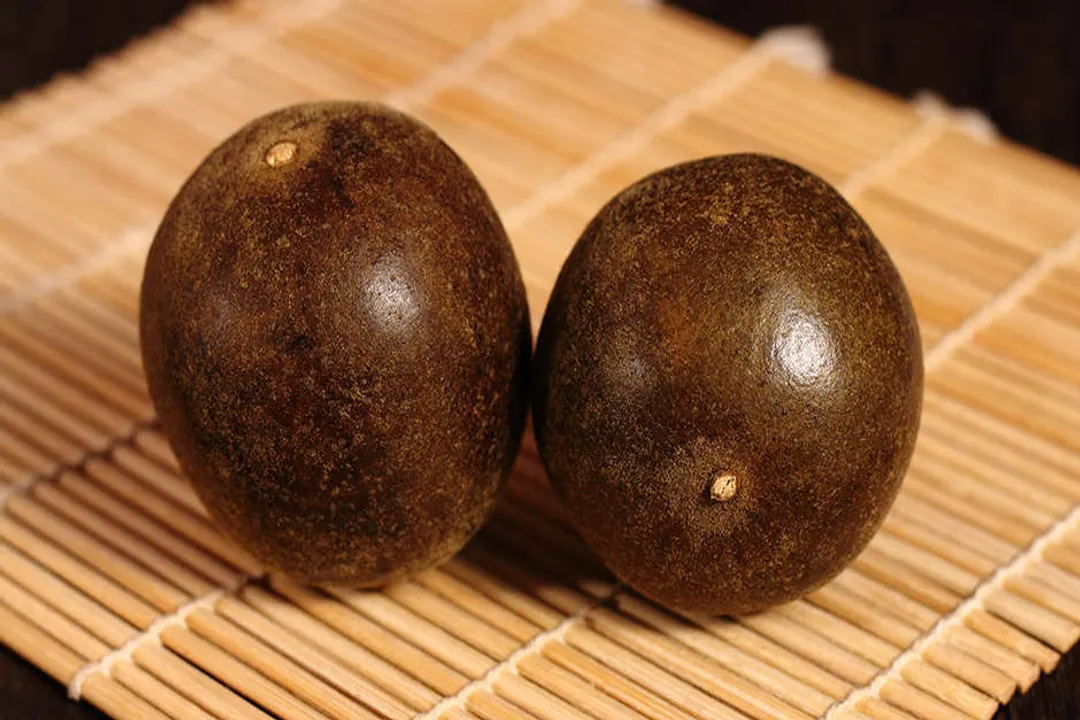
Within the framework of Traditional Chinese Medicine (TCM) food therapy, Luo Han Guo, or monk fruit, is consistently characterized by having a cool thermal nature. This classification is essential for understanding its traditional therapeutic applications, as TCM categorizes foods into five thermal groups: cool, cold, neutral, warm, or hot. The assignment of a 'cool' property dictates that this ingredient is selected to help restore internal balance, particularly when the body exhibits symptoms associated with 'heatiness,' such as inflammation or dryness, by counteracting excess internal heat.
#Videos
LUO HAN GUO CHRYSANTHEMUM TEA | Relieve Sore ... - YouTube
Related Questions
What thermal nature does Traditional Chinese Medicine assign to Luo Han Guo?What are the two primary traditional functions of Luo Han Guo stemming from its cool nature?Which two meridians does Luo Han Guo primarily act upon according to sources?How much sweeter is the sweetness of Luo Han Guo compared to sucrose?What preparation method is described for experiencing Luo Han Guo's properties as a Luo Han Guo Tea?Which set of symptoms characterizes a pathological state described as "Heatiness" in TCM?What is the potential adverse effect of excessive consumption of Luo Han Guo, considering its Spleen meridian affinity?How is Luo Han Guo utilized in dietary context compared to foods categorized as "heaty"?What is the practical guideline suggested for using a single dried Luo Han Guo for general drinking water over a day?In TCM food therapy, how does the sweet taste of Luo Han Guo relate to its thermal nature?