What specific materials, mixed with water and fats, constitute the composition of the vernix caseosa emulsion?
Answer
Secretions from the sebaceous glands and dead skin cells
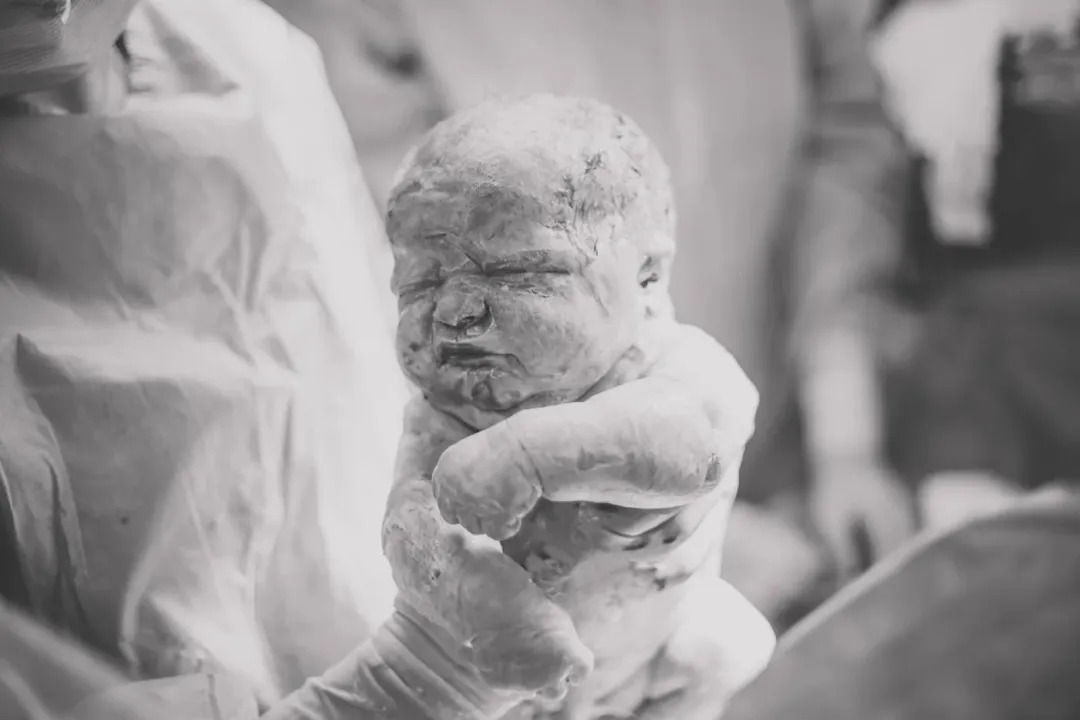
Vernix caseosa is described as a sophisticated, lipid-rich emulsion, meaning it is a mixture of several components suspended together. Beyond the primary components of water and lipids derived from the skin's oil glands, its texture and protective nature are derived from secretions produced by the sebaceous glands themselves. These secretions blend with the naturally shed dead skin cells that accumulate within the womb environment, forming the characteristic thick, biological mixture that coats the fetus.
Related Questions
What does the Latin term "vernix caseosa" literally describe regarding its texture and appearance?What substance forms the main component that gives vernix caseosa its waterproofing property in utero?How does the amount of vernix caseosa present typically relate to babies born prematurely versus those born overdue?What specific damage does vernix caseosa shield delicate fetal skin from while immersed in the amniotic fluid?What beneficial effect on the newborn's skin surface results from vernix caseosa reducing the skin's pH level after birth?What is the recommended maximum delay for the initial full bath according to many pediatric and obstetric guidelines to maximize vernix benefits?In a slightly premature newborn, where is a thick, yellowish, clinging vernix caseosa most commonly concentrated?What specific materials, mixed with water and fats, constitute the composition of the vernix caseosa emulsion?Why does maintaining the vernix layer remain a crucial consideration for newborns delivered via Cesarean section regarding temperature?What negative immediate consequence occurs if a newborn with significant vernix is washed too soon with harsh soap and water?