What is the white substance on a newborn?
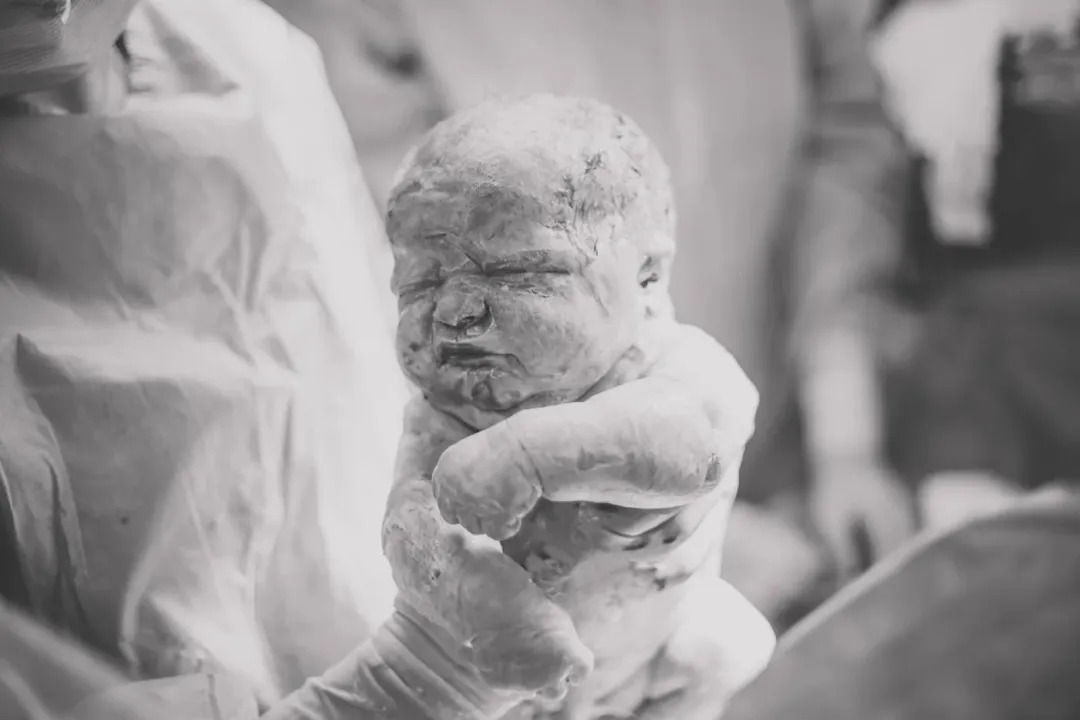
That creamy, sometimes slightly yellowish or white substance seen coating a newborn immediately after birth is a natural and quite remarkable feature of their transition to the outside world. It’s commonly referred to as vernix caseosa, a Latin term meaning "waxy cheese," which aptly describes its texture and appearance. [2][4][9] Far from being something that needs immediate scrubbing off, this coating serves several vital, protective functions for the baby skin. [6][10]
For first-time parents, spotting this thick, pasty layer can be surprising, but understanding what it is and what it does helps explain why many healthcare providers recommend leaving it undisturbed for a period after delivery. [3][9] It is essentially nature's first layer of personalized, all-in-one skincare for a human baby. [10]
# Waxy Coating
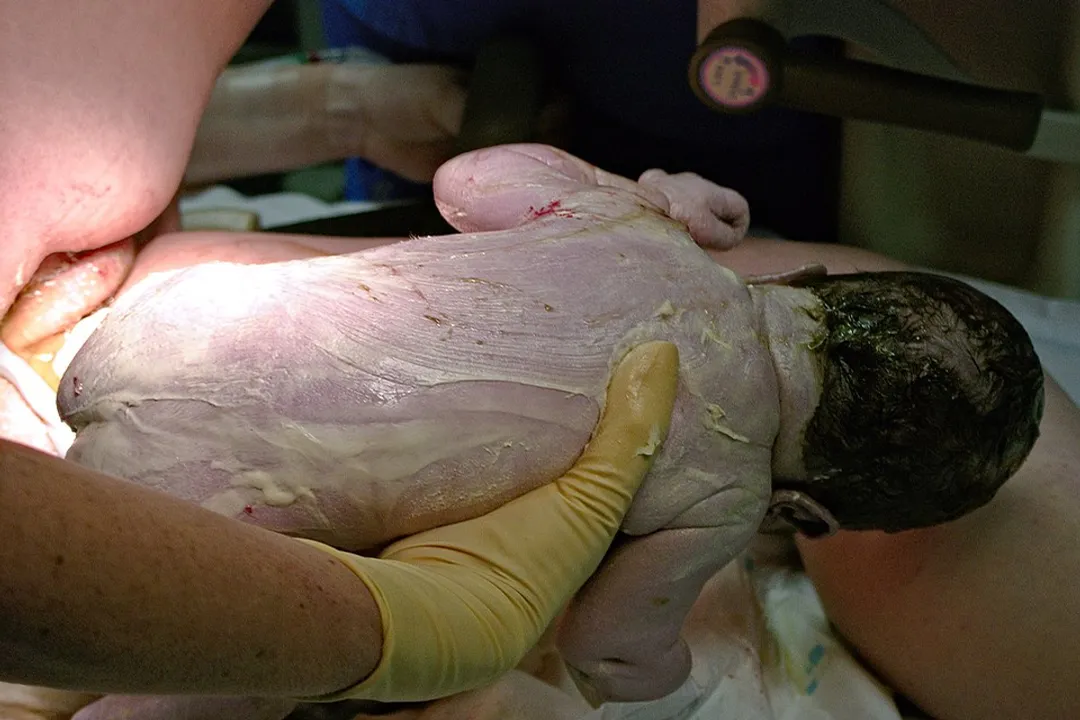
The vernix caseosa is a complex, lipid-rich material that coats the skin of fetuses during the third trimester. [6] Its look can vary significantly; sometimes it appears as a thin, almost invisible film, while other times it is thick, lumpy, and distinctly white or yellowish, resembling cottage cheese. [3][4][9]
Compositionally, the vernix is an emulsion composed of water, fats, and proteins. [2][6] Specifically, it is made up of water, lipids (oils), and secretions from the sebaceous glands, mixed with dead skin cells that are shed in the womb. [2][6][10] This mixture provides a unique biological structure for the baby’s skin. [6] The high concentration of lipids helps keep the skin soft and waterproof. [2][10]
It’s interesting to note that the amount of vernix present is often directly related to the baby's maturity level at birth. [1] Babies born prematurely tend to have a much thicker coating of vernix because they haven't had as long in the womb for it to be fully absorbed or sloughed off. [1][3] Conversely, babies who go past their due dates might have very little visible vernix remaining, as much of it has naturally dissipated or been absorbed into the skin. [1]
# Uterine Protection
Before the baby even takes their first breath, the vernix is hard at work inside the uterus. [6] Its primary role in utero is to act as a protective barrier against the environment of the amniotic fluid. [1][2][6][10]
The amniotic fluid, which surrounds the developing baby, is not ideal for prolonged skin contact. The vernix shields the delicate fetal skin from maceration, which is essentially becoming waterlogged or overly soft due to constant immersion. [2][10] Think of it as an all-natural, built-in waterproof moisturizer that keeps the skin supple yet intact. [1][6]
Beyond just moisturizing and preventing water damage, research suggests the vernix has more sophisticated jobs. It has been identified as having antibacterial properties, suggesting it helps protect the fetus against potential intrauterine infections. [6][10] Furthermore, the substance is believed to play a role in thermoregulation, helping the baby maintain a stable body temperature while floating in the fluid. [6] Finally, some theories suggest that this waxy layer aids in the birthing process itself, acting as a lubricant to help the baby navigate the birth canal more smoothly. [1][3][9]

# Postbirth Benefits
While its role in the womb is critical, the benefits of the vernix do not end the moment the baby is born; in fact, a new set of tasks begins. [10] Many medical bodies and birthing advocates now emphasize the importance of delaying that first wash to allow the baby to benefit from this natural coating. [3][6]
One of the most immediate and valued benefits after birth is its function as a natural moisturizer. [1][10] Newborn skin is very delicate and loses moisture rapidly once exposed to the drier air outside the womb. [10] The vernix forms a protective seal that locks in hydration, preventing transepidermal water loss. [10]
This protective capability is analogous to the skin barrier that develops later in life, but this is the baby’s first version of that barrier. [6] Because it actively helps maintain the skin's structural integrity, leaving it on can reduce the skin's pH level, which can discourage the growth of harmful pathogens. [6][10] This antibacterial quality supports the development of a healthy skin microbiome from day one. [6][10]
A factor to consider when planning the immediate post-birth care, especially for planned Cesareans, is that the baby may not have experienced the physical stress and lubrication demands of a vaginal delivery. [9] However, the thermoregulation benefit remains just as important, as newborns struggle to maintain their temperature in the first few hours outside of the womb. [6] If you are planning a Cesarean section, it can be helpful to discuss with your care team whether the baby can be placed skin-to-skin immediately, allowing the vernix to remain on while you have a few moments of quiet bonding before any washing is suggested. This preserves the thermal benefits during that crucial transition period.
# Appearance Variation
It is essential for new parents to recognize that the amount of vernix they see will vary widely, and this variation is usually normal. [1][3] If a baby is born a few days early, the vernix might be quite thick, clinging to creases like the neck folds, armpits, and groin. [3][9] In these areas, it might look quite yellow or pasty. [3]
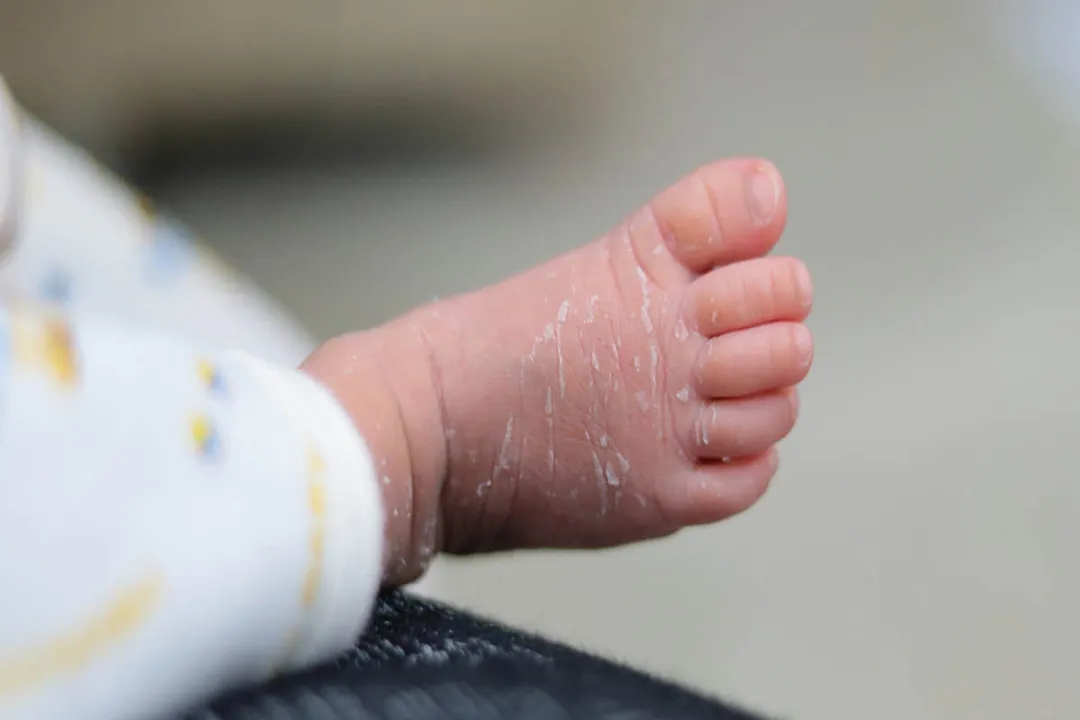
In contrast, if the baby is overdue, the skin may look dry and flaky, and the vernix may be almost entirely gone. [1] The visual expectation set by looking at photos of other newborns should be managed, as every birth is different. [9]
For babies born via a gentle, low-intervention delivery, the vernix often remains relatively intact. [9] If the baby has experienced a long labor or had skin-to-skin contact immediately upon delivery, some of the substance may have rubbed off onto the parents’ skin, which is another way the baby receives benefit. [5] You might notice less of it on areas like the chest and back, and more concentrated in the folds. [9]
A common scenario involves a baby with significant vernix who is then bathed too soon. If a baby is washed immediately with harsh soap and water, that protective layer is stripped away, and the skin can become instantly dry, leading to a patchy, flaky appearance later that first week. [10] The presence of vernix essentially acts as a natural buffer against the shock of moving from the constant warmth and moisture of the uterus to the cooler, drier air of the delivery room. [1] When caring for a baby with a very thick coating, rather than scrubbing, try gently wiping the surface with a soft, damp cloth or a piece of gauze to remove any superficial debris without stripping the entire layer. This gives you a cleaner appearance where needed while preserving the vital barrier underneath.

# Bathing Advice
When should the first bath happen? This is a frequent point of discussion, and current recommendations lean heavily toward waiting. [6] Many pediatric and obstetric guidelines support delaying the initial bath for at least six hours, and ideally, for up to 24 hours after birth. [3][6] Delaying the bath allows the baby to gain maximum benefit from the antibacterial and moisturizing properties of the vernix. [6][10]
The World Health Organization (WHO) actually supports delaying the first full bath for a minimum of 24 hours. [6] This waiting period aligns with bonding time and initial temperature stabilization, as the vernix assists with temperature regulation. [6]
If the baby is born via an unexpected intervention or has specific medical needs, the care team might recommend cleaning the baby sooner for medical reasons, but in typical circumstances, patience is key. [9] When the bath does occur, it should be gentle. Experts often suggest using only warm water for the first few days, or perhaps a very mild, pH-neutral cleanser specifically designed for newborns, rather than standard soaps. [10] You are not trying to scrub off the remaining vernix; you are simply washing away any visible discharge or blood. [9] If some remains in the creases after the first gentle wash, that is completely fine; it will continue to absorb or wash away naturally over the next few days. [9] Allowing it to absorb naturally supports the baby's skin maturation process, rather than forcing an artificial barrier replacement immediately. [10]
Related Questions
#Citations
What Is Vernix Caseosa? Benefits for Your Newborn's Skin - Pampers
Vernix caseosa - Wikipedia
Vernix Caseosa: Wash It Off Baby After Birth or Rub It In?
For baby's health, just say cheese
Doctor explains Vernix (sticky white substance coating baby skin ...
UNRAVELING THE MYSTERY OF VERNIX CASEOSA - PMC - NIH
Vernix: Rub It in or Wash It Off? - Happiest Baby
What's that white waxy stuff on newborns? ✔️ It's called *vernix* —...
What is all that white stuff on my newborn? (Vernix)</a>
What is the Vernix in Newborns? - Pipette