In biology, how is budding defined regarding organism development?
Answer
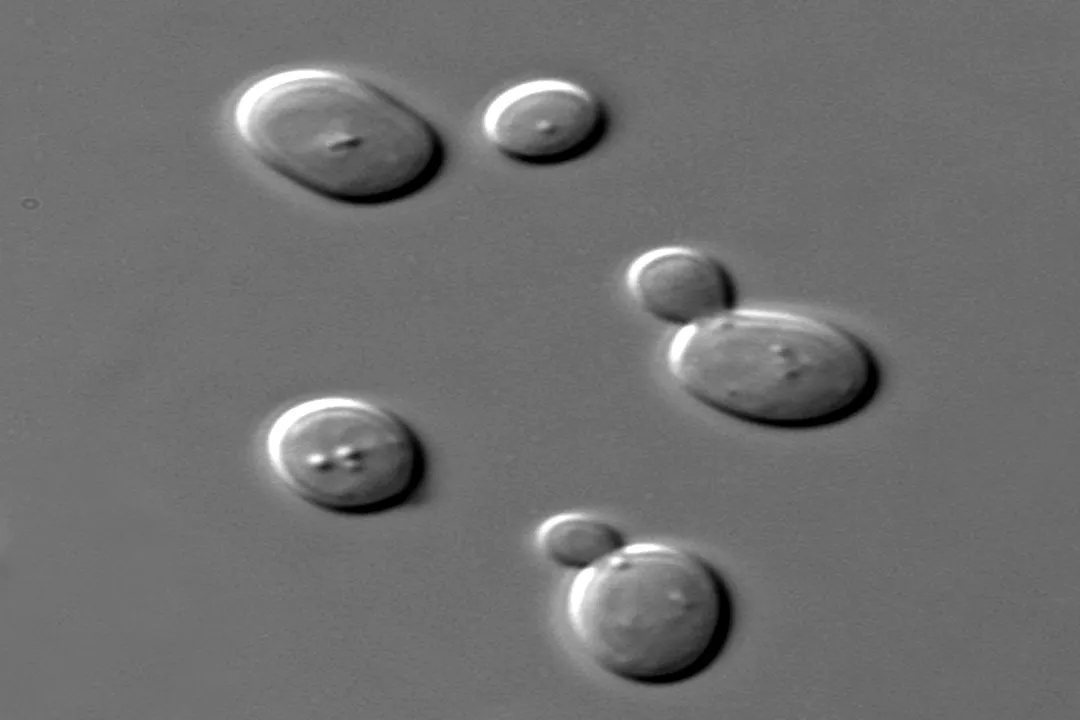
A new organism develops from an outgrowth or bud due to cell division at one particular site.
Biologically, budding is explicitly defined as a mechanism of asexual reproduction. This process hinges on localized growth: a new organism originates specifically from an outgrowth, termed a bud, which forms due to concentrated cell division occurring at only one specific site on the parent body. This mechanism ensures that the resulting outgrowth is genetically identical to the parent. The key outcome is that this small structure eventually separates or detaches, establishing itself as an independent entity, emphasizing localized, self-contained initial formation.
Related Questions
What does referring to a "budding artist" acknowledge about their status?When "budding" is used as a noun, what does it directly refer to?Which organisms demonstrate budding as a form of asexual reproduction?What prominent example relates to "budding" describing initial physical tissue growth in people?What critical distinction separates general budding from physiological budding?In biology, how is budding defined regarding organism development?What characterizes the physical "budding" stage of breast development?What is often considered the most valuable action when observing initial promise or structure?Regarding the general sense of budding, what is true about the outcome?What drives the process tied to the human physiological "budding" stage?