Why is filtered coffee better for you?

The simple act of brewing coffee can have surprising implications for your long-term health, primarily hinging on one crucial factor: how you filter your grounds. [2][10] While coffee is celebrated globally for its flavor and its wealth of antioxidants, certain brewing methods leave behind compounds that can subtly influence your body chemistry, particularly cholesterol levels. [1][3] When comparing methods like the French press or espresso against a standard drip or pour-over, the difference lies in what makes it into your final cup. [9]
# Cholesterol Connection
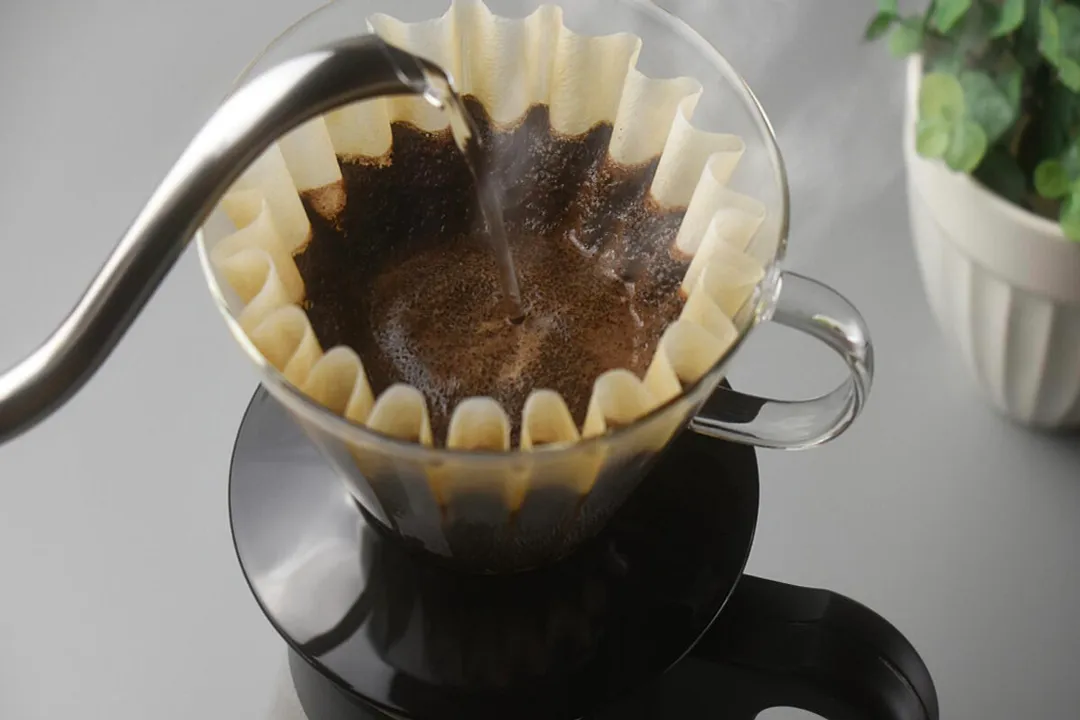
The most significant health distinction between filtered and unfiltered coffee revolves around naturally occurring compounds called diterpenes. [1][9] Specifically, coffee beans contain oily substances known as cafestol and kahweol. [7][4] These diterpenes, when consumed, have been shown to raise levels of LDL cholesterol, often termed "bad" cholesterol, in the bloodstream. [1][7]
For individuals concerned about heart health or those who already manage high cholesterol, this separation process is vital. [7] Brewing methods that allow these oils to pass directly into the final beverage introduce these cholesterol-raising agents. [2] Unfiltered coffee, such as coffee made in a French press, Turkish style, or Scandinavian boiled coffee, permits these diterpenes to remain suspended in the final liquid. [2][9]
# Diterpene Removal
This is precisely where the paper filter proves its worth. [7] A quality paper filter acts as a physical barrier, trapping the diterpenes before the brewed liquid reaches your mug. [1][9] When coffee is brewed using a paper filter, such as in a typical automatic drip machine or a manual pour-over device, the vast majority of cafestol and kahweol are left behind in the spent grounds. [1][7] This filtration step is key to enjoying coffee while minimizing the dietary impact on lipid profiles. [2][7]
It is worth noting that the type of filter matters significantly. While paper is highly effective, reusable metal filters—often found in pour-over cones or some drip machines—are much less so. [4] A metal filter allows many of the diterpenes to pass through, making coffee brewed with a metal filter chemically closer to French press coffee in terms of oil content. [4] If the goal is cholesterol management, choosing a paper filter over a permanent metal one is the most direct route to achieving a cleaner cup from a lipid perspective. [9]
If you routinely drink multiple cups of coffee daily, consider the cumulative effect. For example, one study noted that people who drank about five cups of unfiltered coffee daily saw a significant rise in cholesterol, a risk largely mitigated by switching to paper-filtered coffee. [7]

# Brew Method Matters
Understanding the physical mechanics helps clarify why filtered coffee often earns the "healthiest" recommendation from medical experts. [6]
# French Press vs. Drip
The French press uses a mesh filter attached to a plunger. This mesh is designed to keep the coarse grounds out of the beverage, but it is too porous to capture the dissolved oils and fine particulates like diterpenes. [2][9] The result is a richer mouthfeel due to the retained oils, but also a higher concentration of cafestol and kahweol. [4] In contrast, the dense paper used in drip brewing traps these oils effectively. [2] Harvard Health experts point to paper-filtered coffee as the healthiest brewing method, specifically because of this separation capability. [2][6]
# Espresso Considerations
Espresso presents an interesting middle ground. Espresso is generally not filtered in the same way as drip coffee, as it relies on high pressure to force water through finely ground coffee. [5] Consequently, espresso contains diterpenes, similar to a French press. [5][9] However, the typical serving size for espresso is much smaller—often just an ounce or two—compared to the 8 to 12 ounces common in a standard cup of drip coffee. [5] This lower volume means the total daily intake of diterpenes from espresso might be lower than from multiple large cups of unfiltered brewed coffee, though this depends entirely on individual consumption habits. [5] Someone drinking four large mugs of French press coffee daily is likely ingesting far more diterpenes than someone taking a few espresso shots. [9]
To make the choice clearer for the home brewer, here is a simplified comparison of diterpene retention:
| Brewing Method | Filter Type | Diterpene Content | Primary Health Concern |
|---|---|---|---|
| Drip/Pour-Over | Paper | Low | Minimal (unless over-consumed) |
| French Press | Metal Mesh | High | Elevated LDL Cholesterol |
| Espresso | Metal Basket | Medium/High (per volume) | Dose-dependent risk |
| Turkish/Boiled | None | Highest | Significant |
If you love the body and flavor of a French press but are worried about cholesterol, switching your regular morning brew to a pour-over using high-quality paper filters can be a manageable adjustment that addresses the primary chemical concern. [4]
# General Health Advantages
Beyond the specific issue of diterpenes and cholesterol, coffee in general, and filtered coffee specifically, is associated with a spectrum of positive health outcomes. [1][3][8] These benefits stem from coffee’s high concentration of antioxidants, including hydrocinnamic acids and polyphenols. [8]
Coffee consumption has been linked in various studies to a reduced risk for several serious conditions. [1][3] Regular intake may be associated with a lower risk of developing Type 2 diabetes. [1][8] Furthermore, research indicates a potential protective effect against certain neurological disorders, such as Parkinson’s disease. [1][3] The liver appears to benefit as well, with moderate consumption linked to a reduced risk of liver disease and liver cancer. [1][8]
For many, coffee is an essential part of their routine that supports daily focus and energy. [3] While the compounds driving alertness—caffeine—are present regardless of the filter, enjoying that energy boost without the potential downside of elevated cholesterol makes the filtered approach preferable for the general population. [10] A person consuming paper-filtered coffee benefits from these antioxidant properties without the lipid-raising effect associated with the oils. [8]

# Better Daily Intake
Incorporating filtered coffee into a balanced diet is generally considered safe and even beneficial for most healthy adults. [2] The consensus among dietary experts who study brewing methods leans heavily toward methods that remove the oily diterpenes when consumed regularly. [6][9]
For those committed to the nuanced flavors of specific brew styles, an actionable step can involve recognizing the limits of filtration. If you insist on using your metal-filtered pour-over device for a more robust body, consider limiting your intake to one or two small cups per day, treating it as a more indulgent beverage, and reserving your paper-filtered brew for your main daily volume. [4] This dual approach allows you to enjoy the tactile experience of the less-filtered coffee while keeping your overall diterpene load low across the day.
Another practical consideration, often overlooked when discussing brewing methods, is what you add after brewing. While filtered coffee resolves the cafestol issue, adding large amounts of high-fat cream, refined sugars, or artificial sweeteners can quickly negate the overall cardiovascular benefits of the coffee itself. [1] The healthiest cup of coffee is one that is brewed cleanly (paper filtered) and consumed black or with minimal, healthy additions, like a splash of unsweetened almond milk. [1][3] Balancing the chemical purity of the brew with the additives in the cup ensures you maximize the positive health profile coffee offers. [8]
Ultimately, the evidence points toward the paper filter as the simplest tool to make your daily ritual as health-conscious as possible, allowing you to enjoy the vast antioxidant benefits coffee provides without the specific risk factors associated with the natural oils found in the bean. [2][7]
Related Questions
#Citations
Better Health with Filtered Coffee, Here's Why! - cafec usa
What's the healthiest way to brew coffee? - Harvard Health
Impressive Benefits Of Drinking Filtered Coffee - Sleepy Owl
Evidence Based Reasons to Choose Filtered Coffee - Dr. Rhonda ...
Espresso or filter coffee - which is healthier? – Wildkaffee GmbH
The healthiest way to drink coffee: Harvard explains why filtered ...
Paper-Filtered Coffee and Cholesterol - NutritionFacts.org
Is Filter Coffee Good for You? Health Benefits Explained - Rounton ...
Filtered Coffee is Healthier than French Press or Espresso
The healthiest way to brew your coffee | CNN