Are Marionberries good for you?
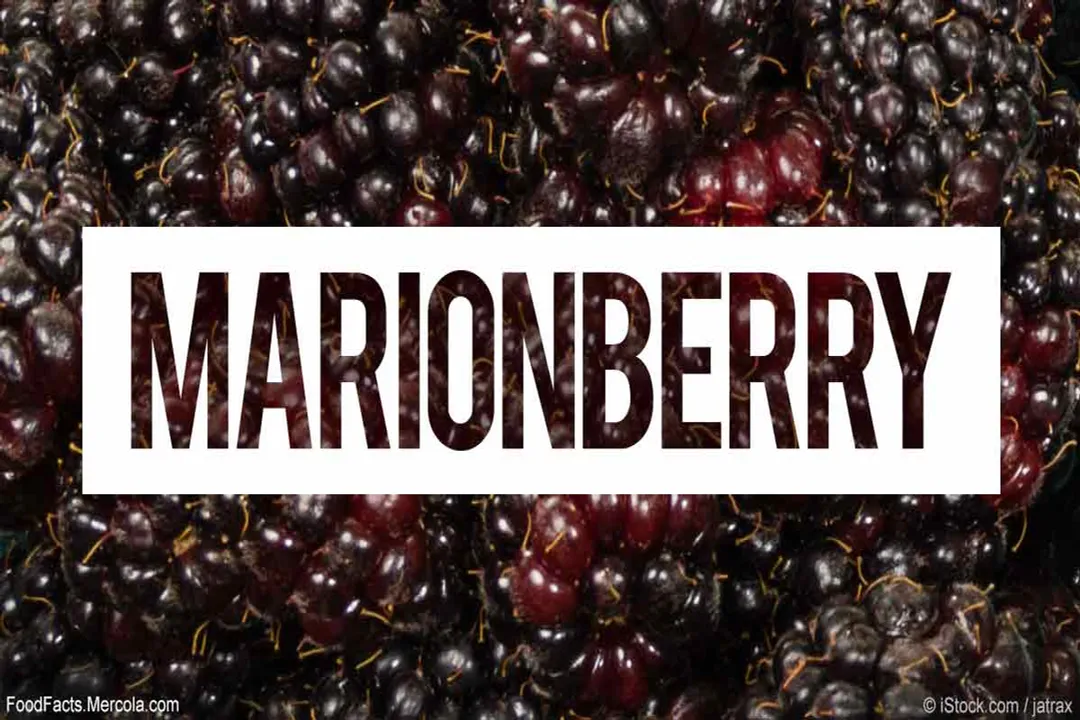
Marionberries present a compelling case for inclusion in a healthy diet, largely due to their distinctive, intense flavor profile that hints at their high concentration of beneficial compounds. These dark, glossy berries, often mistaken for just another type of blackberry, possess a tart sweetness that sets them apart, originating from the Pacific Northwest where they thrive under specific conditions. [2][5] Their reputation as a powerhouse of nutrition is well-earned, stemming from their dense collection of vitamins, minerals, and particularly, antioxidants. [1][3]
# Berry Origins
The story of the Marionberry begins in research, not nature, making it a fascinating cultivar. Developed at Oregon State University, these berries were introduced in 1956 and are technically a trailing blackberry hybrid. [2][5] They derive their name from Marion County, Oregon, which was the primary growing region upon their release. [2] While they belong to the Rubus genus, they are distinct from the common highbush blackberries, representing a specific cross between existing Rubus ursinus and Rubus idaeus varieties. [2] This deliberate breeding aimed to capture superior flavor and yield, resulting in a berry that ripens robustly during the early summer months, typically between June and July. [2][4] Their deep, near-black color is a visual cue to the density of the nutrients packed inside. [5]
# Nutrient Profile
When assessing the health value of any fruit, looking at the macronutrient and micronutrient breakdown offers the first clear picture. Marionberries are notable for being low in calories while delivering a good punch of dietary fiber. [1][7] On the micronutrient front, they supply significant amounts of Vitamin C and Vitamin K. [1] Vitamin C is widely recognized for its antioxidant properties and its role in supporting the immune system. [3] Furthermore, Marionberries are an excellent source of Manganese, a trace mineral essential for bone formation and metabolism. [1] They also contribute a small amount of Vitamin E. [1] Comparing this profile to other common berries, the emphasis here seems to be on the high concentration of unique phytonutrients alongside these foundational vitamins. [1][7]

# Antioxidant Power
The most celebrated aspect of the Marionberry, much like other berries, is its substantial antioxidant content, primarily in the form of polyphenols. [1][3][7] These compounds are what give the berries their deep pigmentation and their ability to combat free radicals in the body. [1] Research concerning berries, in general, points toward these antioxidants being key players in cardiovascular wellness. [8] Specifically, consuming berries can help reduce the oxidation of LDL cholesterol, a critical step in plaque formation, and support the flexibility of blood vessels, which assists in maintaining healthy blood pressure levels. [8] The specific blend of anthocyanins and other flavonoids found in Marionberries is what drives this protective effect. [3] It stands to reason that because of their exceptionally dark hue, much darker than a standard blackberry, the concentration of these pigments—and therefore the measured antioxidant capacity—is likely among the highest in the berry family. [5] This characteristic makes them a prime food choice when seeking to reduce overall systemic oxidative stress. [1]
# Digestive Support
A significant, yet often understated, benefit of incorporating Marionberries into one’s routine is the contribution they make to digestive health, primarily through their fiber content. [1][7] Dietary fiber is crucial for maintaining regularity and promoting a healthy gut environment. [1] Beyond mechanical function, fiber plays a role in satiety, helping individuals feel fuller for longer after a meal. [7] This can be an advantage for weight management efforts, as feeling satisfied reduces the likelihood of overeating or grazing between meals. [1] While the exact amount varies slightly depending on the growing conditions, the density of fiber in a serving of these berries supports the generally recommended daily intake for adults. [7]
# Culinary Notes
The desirability of the Marionberry extends past its nutritional label directly into the kitchen, where its unique flavor profile shines. [2] They offer a complex taste that balances pronounced sweetness with a definite tartness, making them far more complex than a simple sweet fruit. [9] This complexity means they perform exceptionally well in applications where that balance is necessary, such as in baking pies or making rich jams and jellies. [2] While perfect when eaten fresh during their short peak season in the Northwest, their handling quality is also suited for processing. [2][4] If you happen upon a large harvest, knowing how to preserve them is key. Because of their high water content, freezing them correctly right after picking ensures that their texture and flavor integrity are maintained for use months later when fresh ones are unavailable. [4][5] Thinking proactively about preserving them during the brief window when they are at their peak flavor profile—usually mid-summer—is a practical strategy for year-round enjoyment of their benefits. [2]
# Skincare Applications
It is interesting to note that the benefits derived from Marionberry compounds are not limited to internal consumption; they are also being recognized for topical uses. [6] The powerful antioxidants that protect the berry from environmental stressors in the field also offer potential protection when applied to the skin. [6] Ingredients derived from Marionberries are sometimes incorporated into skincare formulations, often cited for properties that may help guard against damage from UV exposure and potentially aid in anti-aging efforts due to their ability to scavenge free radicals on the skin's surface. [6] This suggests that the same compounds supporting heart health internally might offer external protective advantages as well, though it is important to recognize that the efficacy of topical application versus dietary intake differs significantly. [8]
# Flavor Comparison
To fully appreciate the Marionberry, it helps to contrast it with its close relative, the standard blackberry. While both are dark berries packed with similar nutritional elements, the Marionberry generally presents a more intense, often deeper, flavor experience. [2] Some describe standard cultivated blackberries as mildly sweet, whereas the Marionberry maintains a sharper edge even when fully ripe. [2] This distinction is not a matter of one being definitively "better," but rather one of preference based on intended use. For recipes that need a strong fruit backbone that won't get lost among other ingredients, like a sharp vinaigrette or a bold jam, the Marionberry’s assertive taste makes it the preferred choice over milder varieties. [2][9] If one were designing a flavor profile for a beverage, for instance, choosing Marionberries would allow for less added sugar while still achieving a dominant fruit note, a consideration that balances flavor enjoyment with overall caloric intake. [9]
Related Questions
#Citations
Marionberry Benefits, Nutrition, Uses and Recipes - Dr. Axe
Marionberries - Rowell Bros Berry Farm
Marionberries - 10th Biennial Berry Health Benefits Symposium
Fresh Frozen Marionberries - Northwest Wild Foods
Marionberries Information and Facts - Specialty Produce
Marionberry in skincare, What is? - Lesielle
What Are Marionberries Good For? - Food Facts - Dr. Mercola
Berry Good for Your Heart | Johns Hopkins Medicine
Oregon Marionberries + Good Wolf Probiotic Refreshers = A Match ...
Berries: Health Benefits, Nutrition, and Uses - WebMD