Are haws good for you?
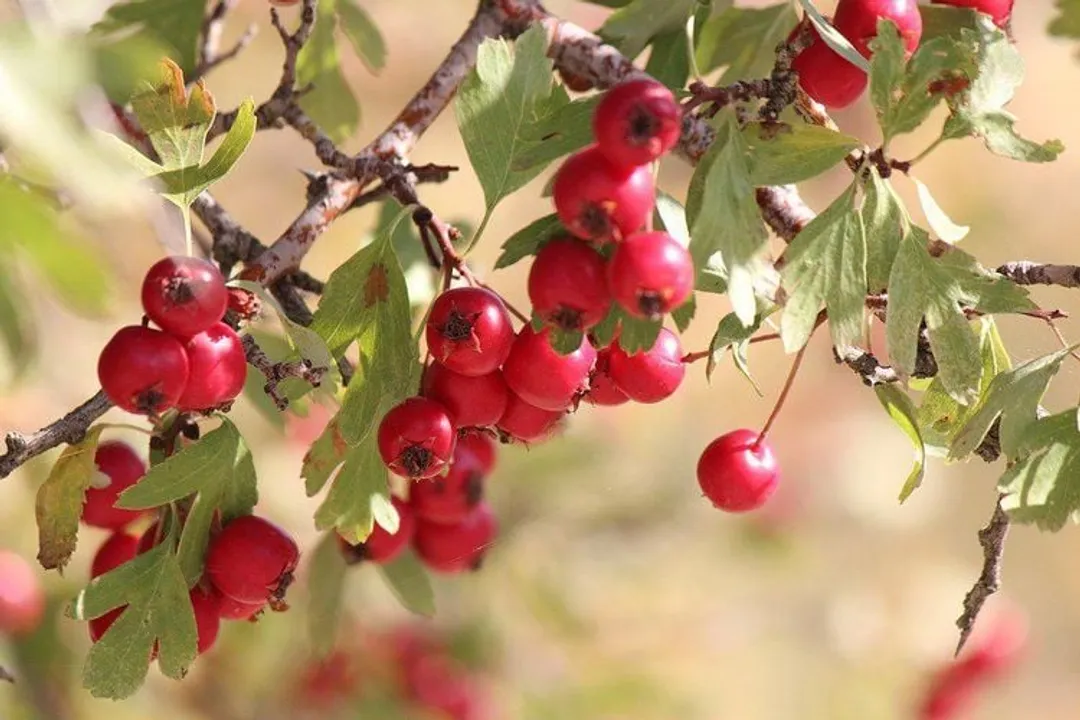
The question of whether the small, bright red fruits of the hawthorn shrub—often called haws—are beneficial for human health has occupied herbalists and traditional medicine practitioners for centuries, primarily centered around its effects on the circulatory system. Modern interest often mirrors this historical focus, examining the shrub’s various components—the berries, leaves, and flowers—for tangible health advantages rooted in their rich phytochemical profile. These berries, which appear in late summer and fall, are far more than just a seasonal splash of color in the hedgerow; they represent a concentrated source of natural compounds that warrant a closer look, particularly for those interested in supporting their cardiovascular wellness. [1][4][6]
# Plant Identity
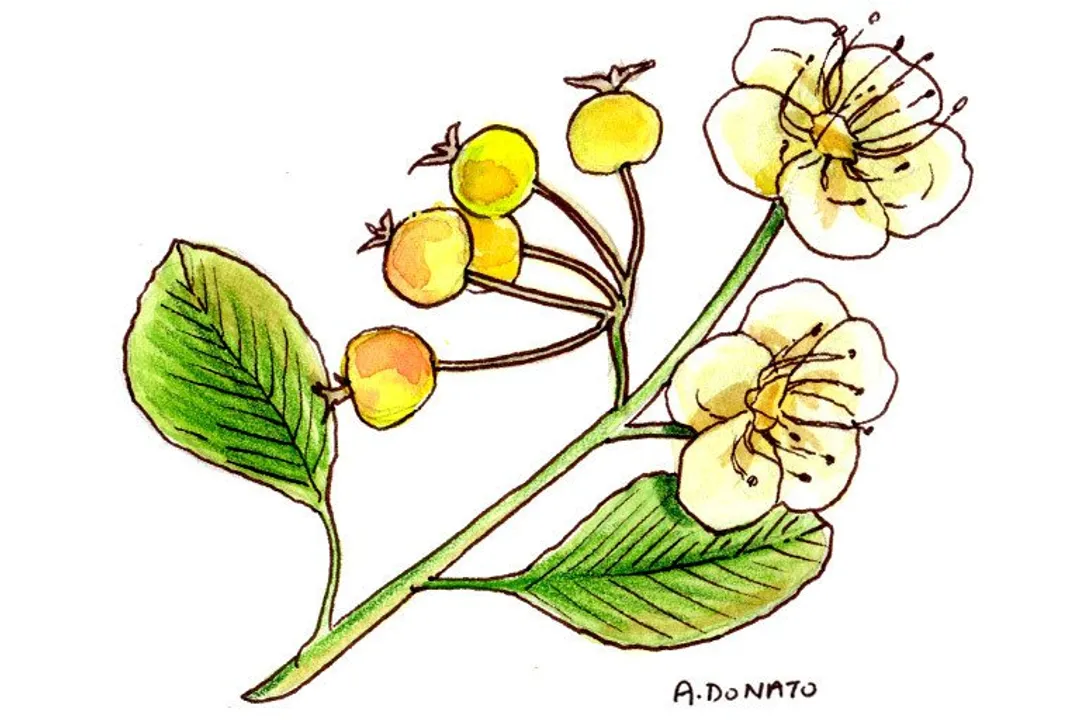
Hawthorn refers to plants in the Crataegus genus, which features thorny shrubs or small trees common across temperate regions of the Northern Hemisphere. [6][7] The parts most frequently employed in herbal remedies are the dried berries (haws), leaves, and flowers, often used interchangeably or in combination depending on the desired effect. [4][5] While the bright red berry is the most recognized part, traditional preparations sometimes favor the flowers and leaves, which contain similar, though perhaps differently concentrated, beneficial compounds. [4][6] The berries themselves are tart and fleshy when fresh, ripening from summer into autumn, providing a seasonal harvest opportunity for those who know how to responsibly gather them. [4][7]
# Heart Health Focus

The most significant and well-researched application for hawthorn lies in its support of the heart and blood vessels. [1][2] Herbalists have long regarded hawthorn as a cardiotonic, a substance that helps normalize heart function. [6] This reputation is supported by its traditional use in Europe for various heart conditions. [2]
One key way hawthorn exerts its effects is through its impact on blood flow and pressure. Studies suggest that compounds within hawthorn can act as vasodilators, helping to widen blood vessels, which in turn can aid in lowering blood pressure. [1][5] This mechanism is particularly relevant for managing mild hypertension. [1] Furthermore, hawthorn extracts have shown promise in improving symptoms associated with congestive heart failure, such as shortness of breath and fatigue, by enhancing the heart's pumping strength and overall performance. [1][5] It is important to note that while clinical studies show these positive associations, hawthorn is typically seen as a complementary therapy, not a replacement for prescribed heart medications. [2][9]
# Antioxidant Power

The therapeutic effects observed in hawthorn preparations are largely attributed to the concentration of specific bioactive compounds, most notably flavonoids and procyanidins. [1] These compounds function as potent antioxidants within the body. [1] In the context of cardiovascular health, antioxidants are vital because they combat oxidative stress—damage caused by unstable molecules called free radicals—which plays a recognized role in the aging process and the development of chronic diseases, including heart disease. [1]
The presence of these flavonoids, such as quercetin and vitexin, is what gives hawthorn its reputation for protecting the vascular system. [1] They help stabilize the integrity of the blood vessel walls and may improve circulation not just by widening arteries, but also by enhancing the resilience of the entire vascular network.
Here is a brief overview of the primary components and their general roles:
| Component Class | Key Action | Location in Plant |
|---|---|---|
| Flavonoids | Antioxidant protection, vasodilation | Berries, Flowers, Leaves |
| Procyanidins | Vascular health support | Berries |
| Triterpenes | General tonic effects | All parts |
When considering which part of the plant to use, some sources suggest that the flowers and leaves might be slightly more effective for conditions where the nervous system and heart interact closely, while the berries are often favored for their concentrated procyanidin content aimed at long-term vascular strengthening. [4][6] Understanding this difference in chemical makeup helps an informed user select the most appropriate form for their needs.
# Beyond the Heart
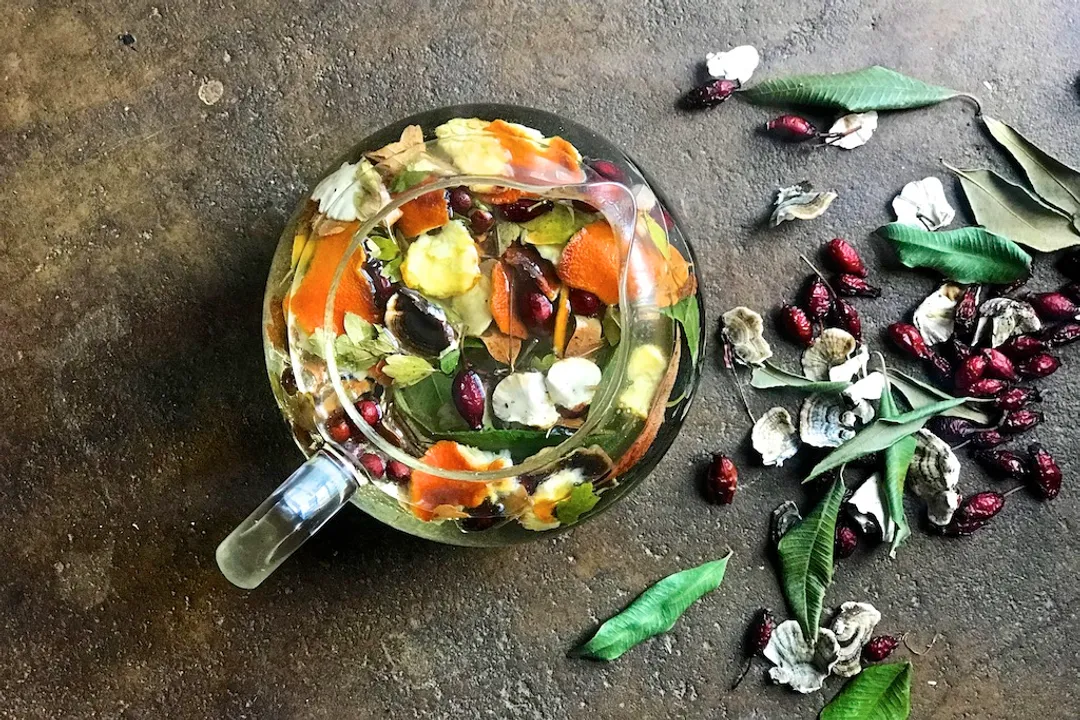
While the cardiovascular benefits often take center stage, hawthorn's rich nutrient and compound profile suggests other applications, though these areas often have less extensive clinical backing than its heart applications. [1][5] Some traditional uses point toward support for the digestive system. [5] For instance, consuming the berries might help soothe minor digestive upsets or support regular bowel movements. [5] Furthermore, due to their general antioxidant capacity, hawthorn preparations are sometimes employed to give a mild boost to the immune system, helping the body manage daily stressors. [1][5] These supporting roles stem from the same protective compounds that benefit the blood vessels, offering a generalized wellness effect across multiple bodily systems. [1]
# Safe Consumption Methods
Hawthorn is versatile, and people use it in various formats, depending on whether they are purchasing standardized supplements or preparing homemade remedies from foraged materials. [3][4] The most common methods include teas, tinctures (alcohol or glycerin extracts), and commercially prepared capsules or tablets. [3][5]
For those starting out with hawthorn, especially if they are interested in its traditional uses for mild supportive care rather than treating a diagnosed condition, beginning with a mild infusion is often recommended. A simple approach involves steeping dried berries, flowers, or leaves in hot water for about ten minutes to create a tea. [4]
If you are deciding between buying a product or making your own, remember that standardized extracts found in capsules or tablets are carefully measured to ensure a consistent amount of the active ingredients, like flavonoids. [10] This consistency is often difficult to guarantee when brewing from raw, dried materials, although the latter offers a more traditional experience. [4]
When looking at supplement labels, you might see dosages listed in milligrams of extract standardized to a certain percentage of flavonoids—perhaps 2.5% flavonoids or 20% procyanidins. [10] This standardization is key because it represents a level of quality control; a 500 mg capsule standardized to 2.2% flavonoids will deliver a more predictable dose of the beneficial chemicals than 500 mg of a non-standardized powder. [1][10] For general well-being support, some advice suggests starting with a lower dose of a standardized product, such as one containing around 300 mg taken once or twice daily, and monitoring your body's response over several weeks before considering an increase. [3] Always follow the instructions on a reputable product label, which is usually derived from expert consensus on safe, effective levels. [3]
# Considerations and Caution
Despite being a widely used herb, hawthorn is a potent plant, and it necessitates careful consideration, especially when mixed with conventional medicine. [2][9] Because hawthorn directly affects heart rate and blood pressure, it must be used with extreme caution by anyone already taking prescription medications for heart conditions. [2][9]
Specifically, individuals on cardiac glycosides (like digoxin), beta-blockers, or calcium channel blockers should not take hawthorn without explicit guidance from their healthcare provider. [2][9] The herb’s effects could potentially amplify the action of these drugs, leading to overly low blood pressure or heart rate. [2][9] It is also generally advised that pregnant or breastfeeding women avoid hawthorn preparations due to a lack of safety data for these populations. [2][3] Potential side effects, though generally mild when used correctly, can include dizziness, nausea, or digestive upset. [2]
For readers considering integrating hawthorn, a practical piece of advice is to view it as a partner to, rather than a replacement for, your existing health regimen. If you are interested in trying it for a mild cardiovascular concern like occasional palpitations or minor blood pressure fluctuations, the safest first step is to discuss your interest with a physician who is familiar with herbal medicine or an experienced clinical herbalist. This initial consultation is non-negotiable for anyone taking maintenance medications, as the potential for interactions is significant. [9]
# Foraging Wisdom
For those drawn to the wilder side of herbalism, hawthorn berries are a classic autumnal find. [4][6] Foraging involves identifying the correct species—though there are many varieties, the general safety advice for harvesting remains similar—and ensuring the plant is located far from sources of pollution like busy roads or sprayed fields. [4] Haws are typically ready when they are deep red and slightly soft to the touch. [4]
When harvesting, remember that the plant is named for its thorns, so wearing thick gloves is essential for protecting your hands. [6] It is also crucial to harvest responsibly, leaving plenty of fruit behind for wildlife, as birds and small mammals rely on these late-season food sources. [4] Always be certain of your identification before consuming any wild fruit; while hawthorn is distinct, misidentification can occur, making absolute certainty paramount. [7]
Related Questions
#Citations
Impressive Health Benefits of Hawthorn Berry - Healthline
Hawthorn: Usefulness and Safety | NCCIH
Hawthorn: Uses, Side Effects and More - WebMD
Hawthorn: Foraging and Using - for heart and immunity care
9 impressive health benefits of hawthorn fruit - Vinmec
The Heart of the Hedge: Exploring the Magic of Hawthorn
Plant of the Month: Hawthorn - GRuB: Garden Raised Bounty
Hawthorn berry: Benefits, side effects, and FAQs
Hawthorn - Memorial Sloan Kettering Cancer Center
Hawthorn, Crataegus laevigata oral dosage forms - Cleveland Clinic