What is the most unhealthy preservative?
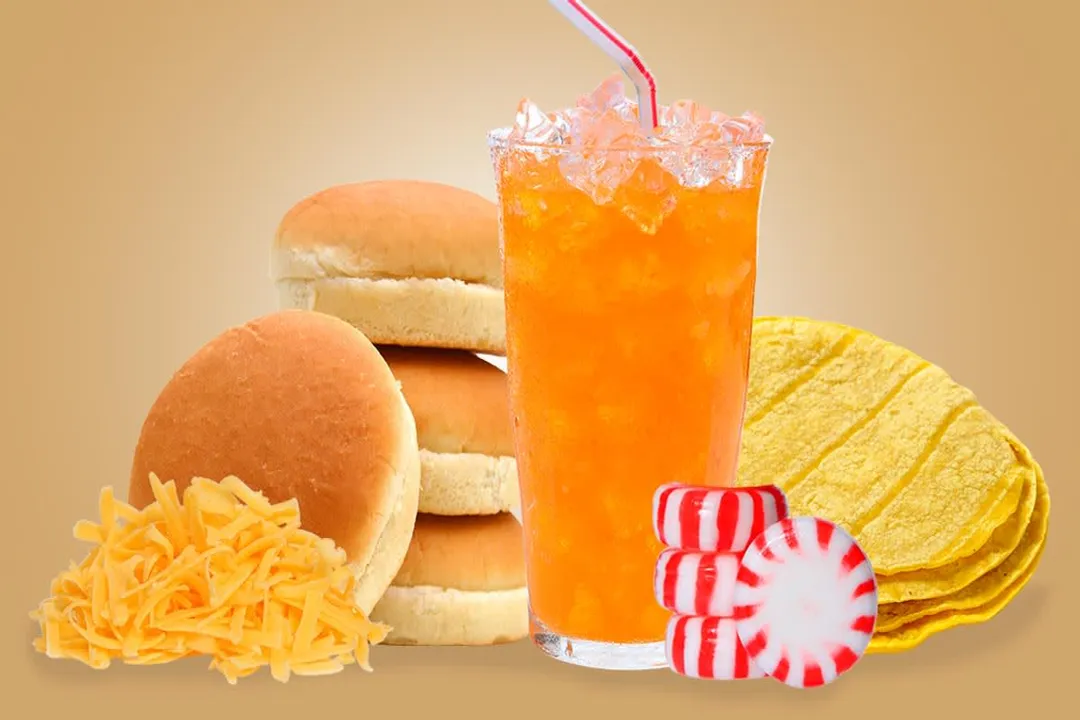
The anxiety surrounding food additives often centers on a singular villain—the most unhealthy preservative lurking in packaged goods. Yet, the reality of food science and toxicology is rarely so simple. Identifying a single worst offender is challenging because different compounds pose different risks, affecting different people in varying ways, from immediate allergic reactions to potential long-term chronic disease risk. [8] Preservatives are added primarily to slow spoilage, maintain texture, or extend shelf life, but the chemicals used to achieve this longevity sometimes come with significant health tradeoffs that warrant careful consumer attention. [8]
# Cured Meats' Chemicals

Perhaps the most consistently flagged category involves the preservatives used in processed and cured meats: nitrates and nitrites. [1][4][9] Sodium nitrite and sodium nitrate are used to prevent the growth of Clostridium botulinum, the bacteria responsible for botulism, and to give cured meats like bacon, hot dogs, and deli slices their characteristic pinkish-red color and flavor. [1][3]
The concern escalates when these compounds are exposed to high heat, such as when frying bacon or grilling sausages. Under these conditions, nitrites can react with amino acids naturally present in meat to form nitrosamines, which are known or suspected carcinogens. [1][3] This link to increased cancer risk makes nitrates and nitrites a primary focus for many health advisories. [1][6][7]
It is worth noting that while naturally occurring nitrates exist in vegetables like spinach and lettuce, the concern in processed meats stems from the addition of nitrites/nitrates as preservatives, which elevates exposure levels significantly. [3] Some manufacturers are now offering "uncured" or "no added nitrates or nitrites" products, though these often use celery powder, which is naturally high in nitrates and converts to nitrites in the body, raising a point of nuance for shoppers looking for cleaner labels. [3]
# Fat Stabilization
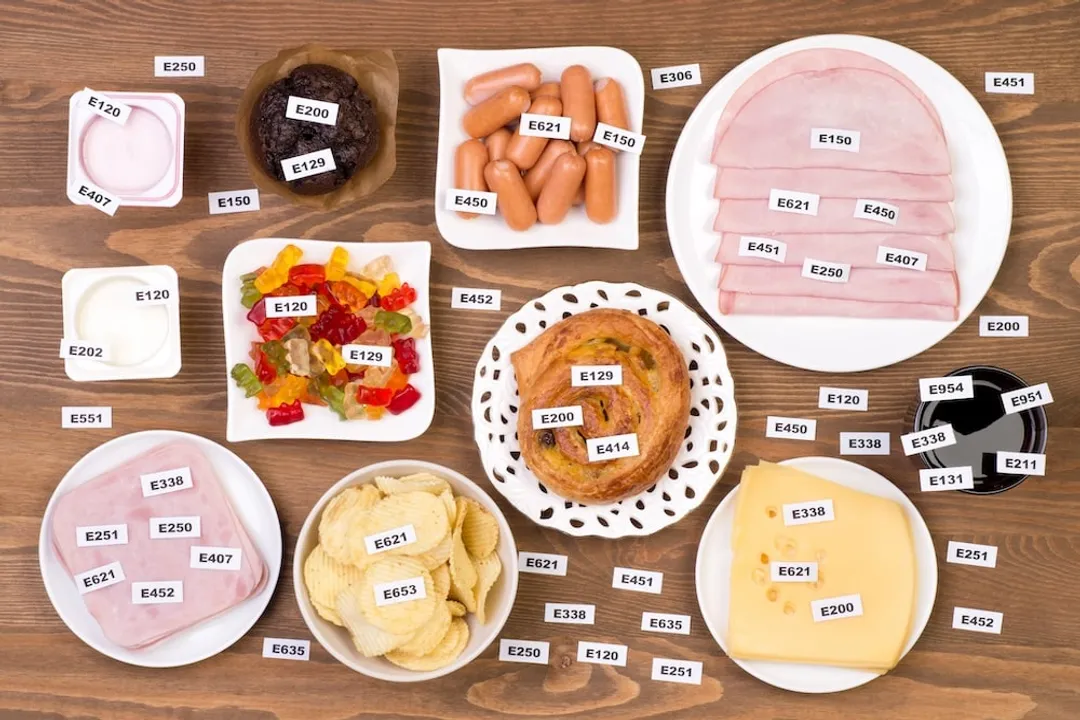
Another set of compounds frequently appearing on lists of additives to avoid are Butylated hydroxyanisole (BHA) and Butylated hydroxytoluene (BHT). [1][4][7] These synthetic antioxidants are widely used in items containing fats and oils, such as cereals, chewing gum, potato chips, and vegetable oils, because they work to prevent fats from going rancid, preserving flavor and quality. [1][2]
While effective at keeping food fresh, the toxicology reports surrounding BHA and BHT are concerning. Some studies have linked BHA to potential tumor development in animal testing, leading regulatory bodies to classify it as a possible human carcinogen. [1] Furthermore, both BHA and BHT have been implicated as potential endocrine disruptors, meaning they might interfere with the body’s hormone systems. [6][9] When compared to the direct formation of carcinogens like nitrosamines from nitrites, the concerns around BHA/BHT often relate to cumulative exposure and hormonal interference, making their long-term impact a subject of ongoing scrutiny. [8]

# Flavor and Reaction Compounds

Monosodium Glutamate (MSG) stands out as an additive that often generates more public discussion and anecdotal reports of immediate negative reactions than some of the cancer-linked compounds. [1][4] MSG is used to enhance the savory umami flavor in foods like soups, savory snacks, sauces, and processed meats. [2][7]
While the U.S. Food and Drug Administration (FDA) classifies MSG as "generally recognized as safe" (GRAS), many people report sensitivity to it, experiencing symptoms such as headaches, flushing, sweating, chest pain, nausea, and numbness after consumption. [1][4] Though the scientific consensus on MSG sensitivity is debated, its consistent presence on "avoid" lists underscores consumer concern regarding these immediate, unpleasant physical responses. [8][9] It’s one of the more polarizing ingredients, often leading people to actively seek out "No MSG Added" labels. [7]
Another chemical often cited due to its functional role, though perhaps less frequently classified strictly as a preservative than a solvent or stabilizer, is propylene glycol. [1] It is sometimes used to maintain moisture or act as a solvent for food coloring. Its presence in things like salad dressings and baked goods has raised questions, especially regarding intake levels, though it is often listed alongside other chemicals prompting concern. [1][6]
# Gut Health and Inflammation
The conversation around food additives has shifted significantly toward internal ecology—how these chemicals interact with our gut microbiome. [5] The composition of the trillions of bacteria living in our digestive tract plays a massive role in everything from immunity to mood, and certain preservatives can actively disrupt this delicate balance. [5]
Some preservatives, including certain nitrites and artificial sweeteners, have been shown in research to negatively alter the types and numbers of bacteria present in the gut. [5] A disrupted or unbalanced gut flora (dysbiosis) is then associated with systemic inflammation, which is a root cause in many chronic health conditions. [6]
Inflammation is also a specific concern linked to several common additives. [6] Besides the potential inflammatory response caused by gut disruption, other ingredients like BHA/BHT and artificial food dyes are also cited as contributing factors to the body’s inflammatory state. [6] This moves the risk profile away from acute poisoning or immediate symptoms and toward the slow, silent damage caused by chronic, low-grade inflammation over years of consumption. [8]

# Artificial Sweeteners and Colors
Beyond the classic preservatives, several other high-profile additives are frequently grouped with them because they are not naturally occurring and provoke consumer caution: artificial sweeteners and artificial colors.
Artificial sweeteners, such as aspartame, are used as sugar substitutes to reduce calories. [1][2] Aspartame, in particular, has faced scrutiny over various potential health impacts, including links to headaches and, more controversially, potential long-term effects that remain hotly debated in scientific circles. [1][4]
Artificial food colorings—like those derived from petroleum—are added solely for aesthetic appeal, making foods look brighter or more vibrant. [2][7] Concerns regarding these dyes, particularly in children, often center on links to hyperactivity and attention-deficit/hyperactivity disorder (ADHD)-like behaviors. [3][9] While the link is causal in some sensitive individuals, the necessity of using brightly colored food dyes when the food’s natural color is often acceptable raises the question of why the risk is being taken at all. [3]
Another common additive is sulfites, which are used in dried fruits, wine, and some processed potato products to inhibit bacterial growth and prevent discoloration. [1][4] For individuals with asthma, sulfites can trigger severe allergic-type reactions, making them a critical avoidance ingredient for that specific population. [1][4]
# Deconstructing "Most Unhealthy"
If we must weigh these concerns, we can categorize the danger.
| Preservative Group | Primary Risk Mechanism | Severity Profile |
|---|---|---|
| Nitrites/Nitrates | Formation of carcinogens (nitrosamines) upon cooking [1][3] | High (Potential long-term cancer risk) |
| BHA/BHT | Endocrine disruption; suspected carcinogen [1][6] | Medium to High (Cumulative, systemic risk) |
| MSG | Immediate hypersensitivity reactions (headache, nausea) [1][4] | Medium (Acute, short-term discomfort) |
| Sulfites | Severe allergic/asthmatic reaction [1][4] | High (Acute danger for sensitive groups) |
| Artificial Dyes | Hyperactivity/behavioral issues, especially in children [3][9] | Low to Medium (Behavioral/Developmental risk) |
The most unhealthy preservative arguably depends on the consumer's baseline health and consumption pattern. For someone eating grilled meats daily, the cumulative risk of nitrites leading to nitrosamines is arguably the greatest long-term threat. [3] For someone with asthma who drinks wine regularly, an acute reaction to sulfites is the most immediate danger. [4] It's this divergence between chronic, systemic risk and acute, immediate risk that muddies the water when assigning a single "worst" title.
Consider the concept of exposure density. While a food item might contain trace amounts of BHA, BHT, and artificial color, a typical hot dog might contain a significant dose of sodium nitrite. [7] In a local context, if you live in an area where access to fresh, unprocessed food is limited, the sheer volume of processed goods might increase your cumulative exposure to all these agents, making the combination, rather than a single additive, the primary health pressure point. [8]
# Practical Consumer Choices
Given the breadth of chemicals involved, shifting purchasing habits is the most direct way to manage exposure. Instead of trying to memorize the chemical names, focus on food categories known for high additive use.
A practical approach involves consciously prioritizing foods that require the least amount of preservation. For instance, when choosing meat, always opt for fresh cuts over pre-seasoned, cured, or deli-sliced varieties when possible. [3] If you frequently buy packaged goods, make it a habit to check the ingredient list not just for the presence of a single red-flag chemical, but for the density of artificial ingredients. If a product lists BHA, BHT, Red 40, and high-fructose corn syrup, the accumulated burden of multiple non-nutritive additives warrants reconsidering that purchase over a similar, cleaner alternative. [2][9]
Furthermore, understanding that many health organizations flag additives that impact the gut microbiome should inform purchasing decisions. [5] Foods that are minimally processed—think whole grains, fresh produce, and simple proteins—are inherently lower in preservatives and better support a diverse and healthy internal bacterial community compared to items requiring extensive stabilization chemicals. [5] This preference for simplicity is often the strongest defense against the risks associated with synthetic preservatives, regardless of which one technically carries the highest toxicity rating.
Related Questions
#Citations
12 Common Food Additives — Should You Avoid Them? - Healthline
7 Food Additives And Preservatives To Avoid - Chefs for Seniors
Common food additives and chemicals harmful to children
5 Preservatives to Avoid | MDVIP
Common food preservative has unexpected effects on the gut ...
12 Toxic Food Preservatives That Cause Inflammation
5 Dangerous Ingredients That Are in Our Food But Shouldn't Be
Understanding Food Preservatives: What Are The Health Risks?
5 Food Additives You Should Avoid