Is skirret good for you?
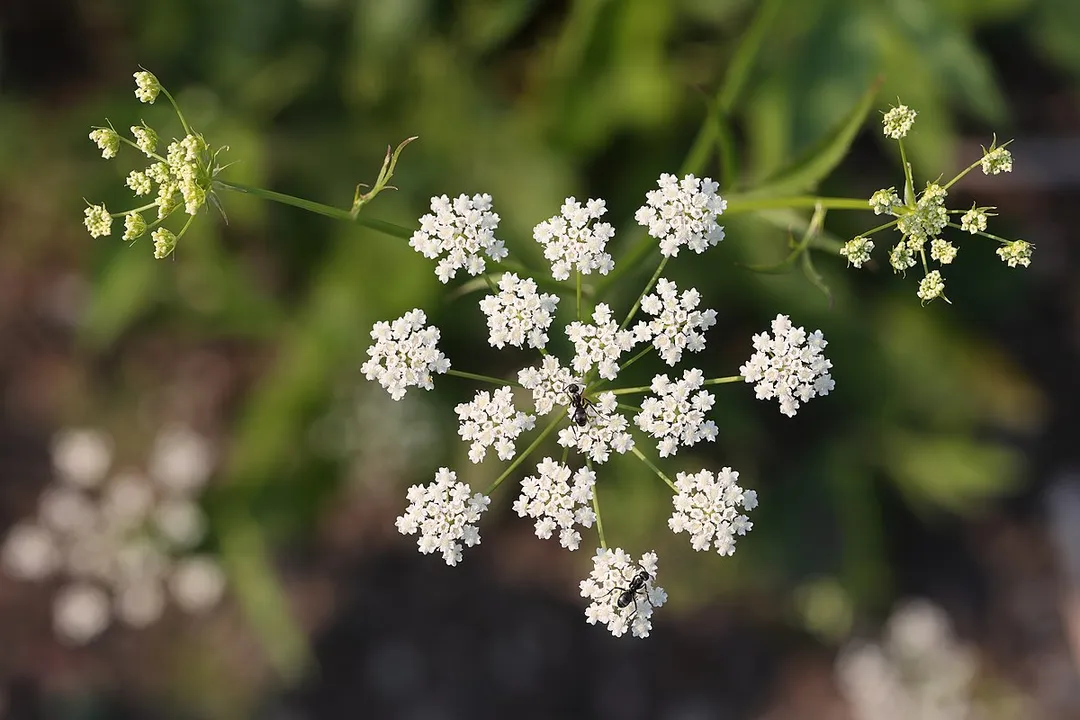
Skirret, botanically known as Sium sisarum, stands as a lesser-known root vegetable with a history stretching back centuries, particularly in Europe and Asia. While it shares a family with carrots and parsley, its distinct appearance and flavor profile often leave modern gardeners and consumers wondering about its practical place in a healthy diet. This root, which produces long, slender, white tubers, is increasingly recognized for its potential nutritional density, offering a different kind of value compared to its more famous counterparts.
# Root Nutrients
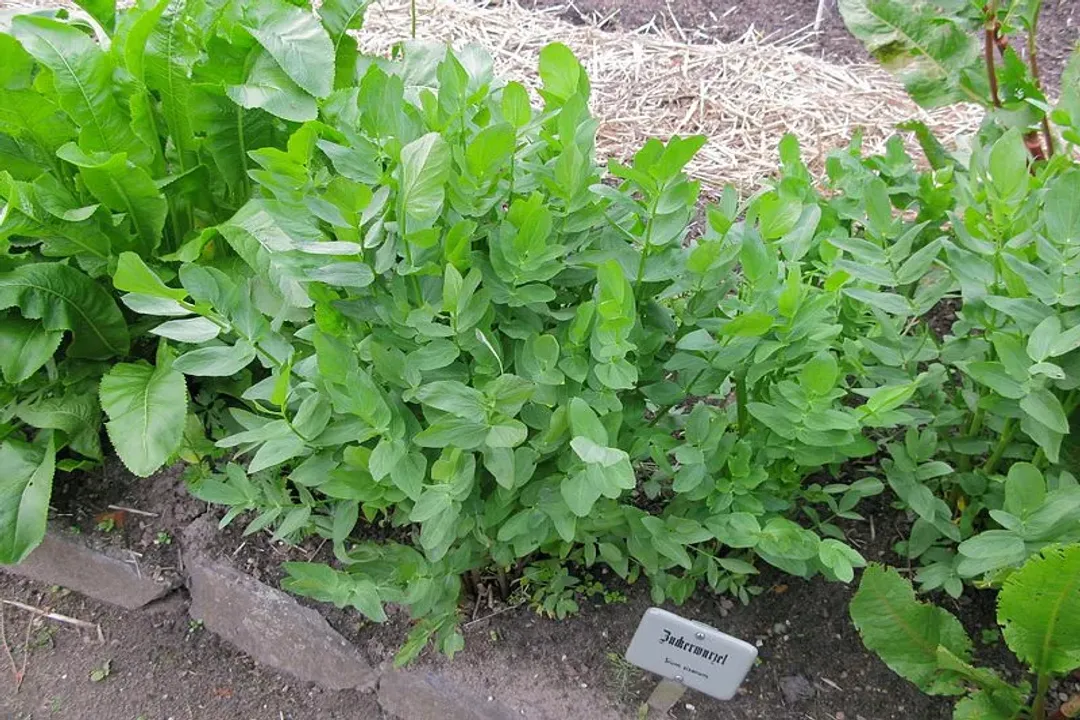
The primary interest in any vegetable centers on what it brings to the plate nutritionally, and skirret is no exception. These roots contain several essential vitamins and minerals that contribute to overall well-being. For those tracking intake, understanding that skirret provides a solid base of key micronutrients is important when considering it as a staple, rather than just an occasional novelty crop.
One notable component is its fiber content. Dietary fiber is critical for digestive health, helping to regulate bowel movements and support a healthy gut biome. Beyond roughage, skirret offers a range of vitamins. It has been noted that these roots contain significant amounts of Vitamin C, which is well-known for its role in supporting the immune system and acting as an antioxidant. Furthermore, Vitamin A may be present, contributing to vision health.
When looking at minerals, skirret provides useful contributions of potassium, a mineral vital for regulating blood pressure and fluid balance within the body. Trace minerals like iron and magnesium are also present, supporting energy production and muscle function. While specific published data for every single mineral can vary based on soil conditions and variety, the general consensus is that skirret offers a profile rich enough to warrant inclusion in a varied diet. If we compare its typical profile to that of a standard carrot, skirret often edges out slightly in certain trace mineral concentrations, though carrots remain the superior source for beta-carotene (Vitamin A precursor).
# Bodily Support
The health contributions of skirret are often summarized by its effect on systemic health, mainly through its antioxidant capacity and positive impact on digestion. The presence of various phytochemicals alongside Vitamin C gives the root antioxidant properties, meaning it helps combat oxidative stress caused by free radicals in the body. Managing this stress is linked to reducing the risk of chronic disease development over time.
For digestive health, the fiber mentioned earlier plays the main role. Because skirret is often consumed cooked, understanding how heat affects its components is key. While cooking generally softens the texture, making it easier to digest, high heat can degrade some of the more delicate water-soluble vitamins, like Vitamin C. This means that incorporating a mix of raw shavings (if preferred) and thoroughly cooked preparations allows for capturing the full spectrum of its potential benefits. Furthermore, its mild, slightly sweet flavor makes it a good vehicle for consuming beneficial dietary fiber without the strong, sometimes overpowering taste of other root vegetables.
Another point to consider, particularly for those seeking alternatives to conventional tubers, is the relatively low glycemic index often associated with root vegetables high in inulin, a type of soluble fiber. While specific glycemic load data for Sium sisarum isn't always readily available in general nutritional databases, its fibrous structure suggests a slower release of carbohydrates compared to refined starches.
# Eating Skirret
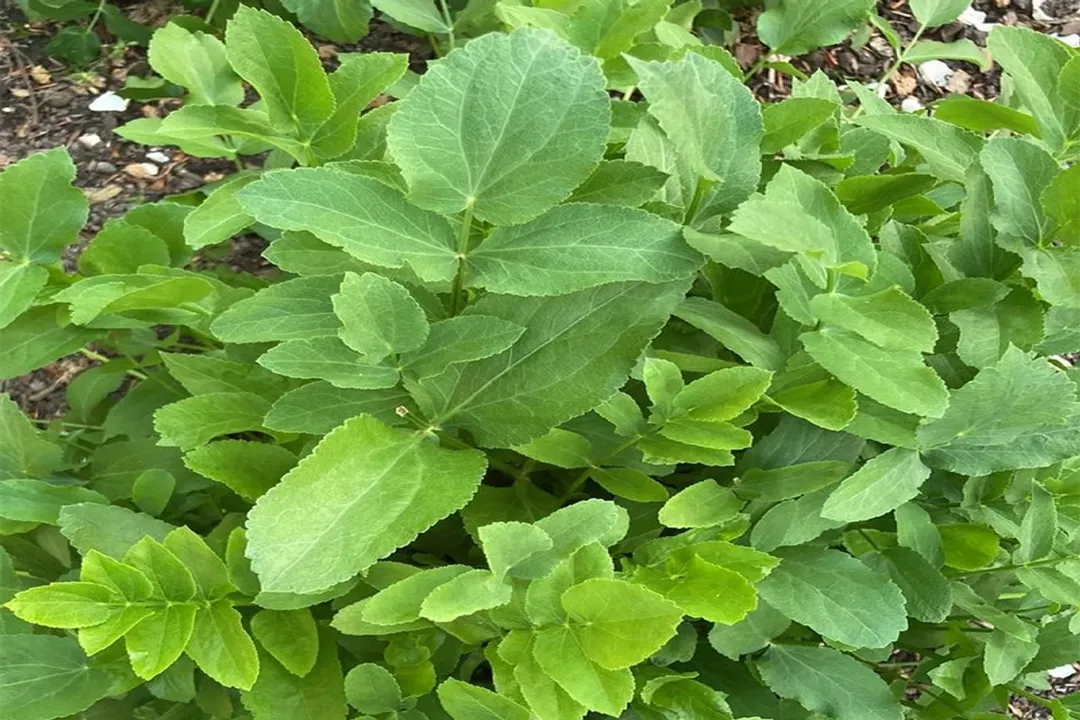
The health benefits of a vegetable are only realized if it is actually incorporated into one's meals. Skirret has a long tradition of use, especially when other crops struggled. It has been described as having a flavor reminiscent of parsnip or celery root, sometimes carrying a slightly nutty edge.
Preparation methods vary widely, which influences both texture and nutrition. They can be eaten raw, though they require careful peeling due to their irregular shape. When raw, they offer a crisp texture, similar to jicama, and retain the maximum level of heat-sensitive vitamins.
More commonly, they are cooked. Skirret roots can be boiled, mashed, roasted, or incorporated into soups and stews. Roasting tends to caramelize their natural sugars, enhancing their inherent sweetness. For a simple, high-impact dish, consider thinly slicing them and adding them to a gratin alongside potatoes and cream; the root absorbs the flavors wonderfully while contributing its unique earthy base note. Those who grow them sometimes note that the fresh roots store quite well underground, allowing for access throughout the colder months when other fresh produce is scarce. This accessibility is an indirect health benefit, ensuring consistent year-round availability of a nutrient-dense option, provided the growing conditions are right for overwintering.
# Cultivation Facts
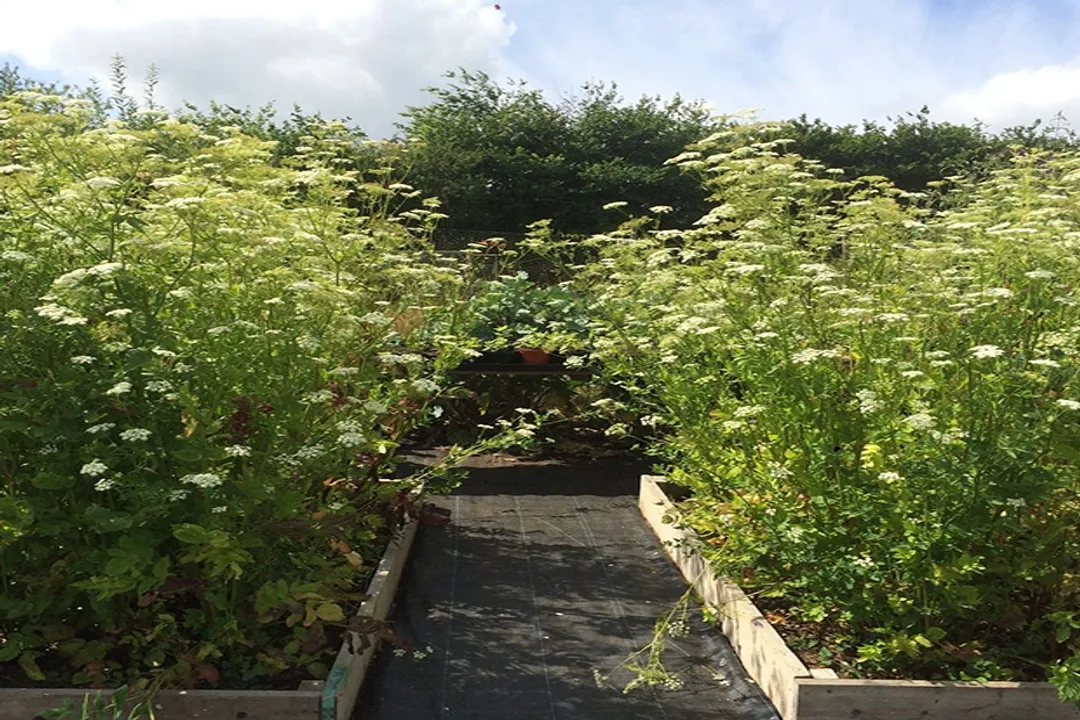
Understanding skirret's cultivation helps contextualize its consumption patterns and availability, which circles back to consistent dietary health. It is a perennial plant, meaning it comes back year after year once established, which is a major advantage for gardeners looking to reduce annual planting effort. This perennial nature means that after the first year, the root system becomes quite established.
Unlike annual root crops that demand yearly soil disturbance, skirret thrives when left relatively undisturbed. Gardeners often note that the tubers are somewhat irregularly shaped, which can make harvesting a bit more intricate than pulling up a straight carrot, often requiring digging around the base of the clump. In discussions among enthusiasts, managing the clump size and ensuring adequate space for the tubers to develop without becoming excessively crowded is a frequent topic of conversation, as overcrowding can lead to thinner, less substantial roots. Success in cultivation directly translates to a successful, homegrown source of nutrition.
# Usage Notes
While skirret is generally regarded as a safe and beneficial food source, it is prudent to consider general consumption guidelines. As with any vegetable, proper washing and preparation are necessary before consumption. If you are sourcing roots from an unknown location or if you have specific sensitivities, moderation is always advisable when introducing a new food into your diet.
The plant belongs to the Apiaceae family, which also includes plants like parsley and dill. While skirret itself is prized as a food, it is always good practice to ensure positive identification if foraging or if integrating less common plants into a garden setting, though this is less of a concern when purchased from reputable suppliers. For those with known allergies to plants in the carrot family, caution should be exercised, although specific documented cross-reactivity for skirret is uncommon in general literature. Overall, the primary "caution" surrounding skirret is simply its relative obscurity, meaning cooks need to be flexible with recipes, sometimes substituting it for parsnips or salsify rather than relying on established, specific skirret recipes.
#Videos
Skirret! A Major Calorie Crop for Self Sufficiency! - YouTube
Related Questions
#Citations
Skirret: Health Benefits, Side Effects, Uses, Dose & Precautions
What Are the Health Benefits of Skirret? - Facty Health
Sium sisarum - Wikipedia
Skirret roots, a tasty and easy to grow edible perennial - Facebook
Lets talk about Skirret! (root crops forum at permies)
Skirret (Sium sisarum): An Exciting Option for a Perennial Vegetable ...
Top Benefits of Skirret: Unveiling the Perks of This Versatile Plant
Skirret! A Major Calorie Crop for Self Sufficiency! - YouTube
Growing and eating skirret | A Food Forest in your Garden