Which herbs are hard on the kidneys?
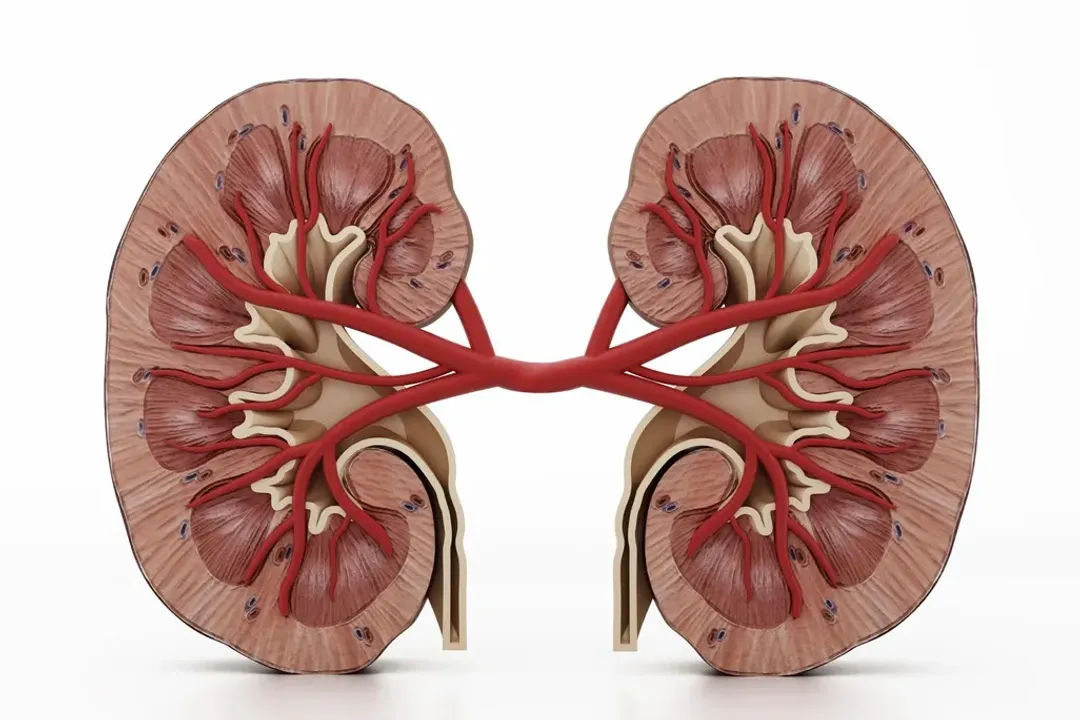
Many people turn to natural remedies, believing that if a product comes from a plant, it must be inherently safe. However, when kidney function is already compromised, or even as a preventative measure against potential harm, certain herbs and botanical products can be surprisingly harsh on the delicate filtration system of the kidneys. [1][4] The kidneys are essential for filtering waste and maintaining fluid balance, and introducing substances they cannot process efficiently can lead to significant damage or accelerate existing disease progression. [4]
# Supplements Unregulated
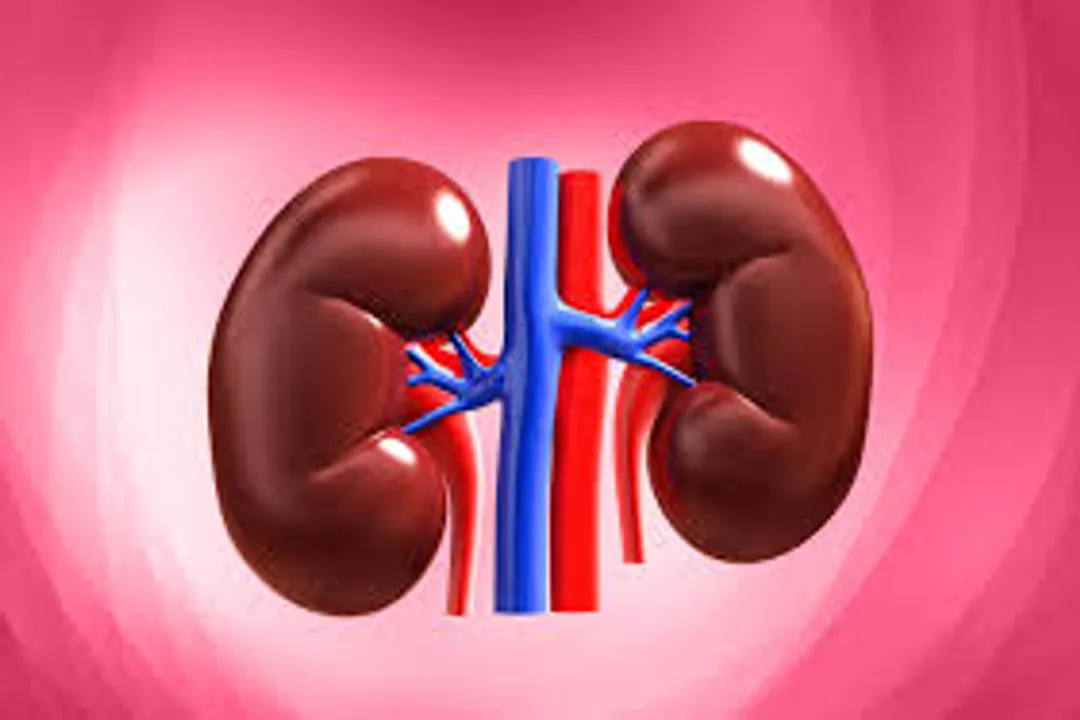
One fundamental reason for concern lies in how herbal supplements are regulated in many regions. Unlike prescription drugs, which must prove safety and effectiveness before hitting the market, many herbal products are classified as dietary supplements. [4] This means that the Food and Drug Administration (FDA) does not approve them for safety or effectiveness before they are sold. [4] Manufacturers are responsible for ensuring their products are safe, but oversight regarding purity, dosage, and accurate labeling can be lacking. [4] A product might contain contaminants, undisclosed ingredients, or active compounds at concentrations far higher than expected, posing a direct threat to renal health. [1][4]
This lack of standardization means the dosage you read on the label might not reflect what is actually in the capsule, creating an unpredictable level of exposure for your body’s primary waste removal organs. [1]
# Nephrotoxic Plants Listed
Specific botanical ingredients have been directly implicated in causing kidney injury, ranging from acute renal failure to chronic damage over time. [3] Identifying these specific culprits is vital for anyone managing kidney health. [2]
The Aristolochia species, for example, are a notorious group of plants frequently found in traditional remedies. [3] These contain aristolochic acids, which are potent nephrotoxins and known carcinogens. [2] Exposure to these acids has been linked to rapidly progressive interstitial nephritis, a condition where the kidney tissue between the tubules becomes inflamed, leading quickly to kidney failure. [2][3] Because Aristolochia was historically used in various traditional medicinal formulas globally, recognizing its presence, even under different regional names, is crucial for avoiding severe harm. [2]
Another substance that warrants strict caution, particularly for those managing chronic conditions like diabetes alongside kidney concerns, is licorice root. [7] While known for sweetening, compounds in licorice, specifically glycyrrhizin, can cause effects similar to hyperaldosteronism. [7] This mechanism can lead to fluid retention and elevated blood pressure, which significantly strains the kidneys. [7] For individuals with pre-existing kidney disease, this effect can worsen hypertension and further impair renal function. [7]
Certain fruits and juices, even if seemingly healthy, have also caused kidney issues. Carambola, or star fruit, is known to be harmful to individuals with poor kidney function. [3] This fruit contains a neurotoxin that healthy kidneys can easily filter out, but for those with chronic kidney disease (CKD), this toxin can build up to dangerous levels, potentially triggering acute renal failure. [3] The danger is severe enough that even small amounts can be hazardous for vulnerable individuals. [3]
Furthermore, some products advertised for weight loss or energy have been linked to renal failure. [3] While the exact active ingredient might be obscured, the pattern of acute kidney injury following the use of these unregulated "natural" products is documented. [3]

# Drug Interactions Known
Beyond direct toxicity, many herbs contain active compounds that can interfere with how the body processes prescribed medications, which is a critical concern for kidney patients who often rely on precise medication schedules. [1] The kidneys are deeply involved in metabolizing and excreting many drugs, and introducing an herb that affects liver enzymes (which often work alongside the kidneys) can alter the effective dose of vital medications. [1]
For instance, if an herb causes a medication to be eliminated too slowly, the drug level in the blood can rise to toxic concentrations, overwhelming the kidneys' capacity to manage the excess load. [1] Conversely, if an herb causes a medication to be eliminated too quickly, the drug may become ineffective, leading to a worsening of the condition the drug was meant to treat. [1]
It is important to note that even generally mild herbs might pose a risk when combined with specific pharmaceutical agents commonly prescribed for kidney-related issues, such as blood pressure medications or immunosuppressants. [4] The complexity increases because the exact mechanisms and potential interactions are often not fully studied or documented in clinical trials. [4]
# CKD Patient Cautions
For those diagnosed with Chronic Kidney Disease (CKD), the threshold for what constitutes a "safe" amount of any substance is significantly lower. [6] Healthy kidneys possess a substantial reserve capacity, but once this reserve is diminished by CKD, the filtering ability is reduced, making it harder to clear even normal metabolic byproducts, let alone complex phytochemicals found in herbs. [6]
The challenge for CKD patients is that many herbs are promoted for conditions often associated with CKD, such as fatigue, poor circulation, or inflammation. [6] Taking herbs marketed to improve general vitality can paradoxically place extra stress on the already struggling nephrons. [6] Patients should approach any herbal supplement with extreme skepticism, understanding that they are treating a disease that requires careful management of all inputs. [4][6]
It’s helpful to think about the source of the substance. Some supplements may contain high levels of certain minerals or electrolytes, such as potassium or phosphorus, which CKD patients often need to strictly limit in their diet. [4] While these aren't strictly "herbs," they are often included in botanical blends or teas, contributing to the overall mineral load the failing kidneys must manage. [4]
# Risk Profile Comparison
It is useful to distinguish between herbs that cause sudden, catastrophic failure and those that exert chronic stress. While a single, massive dose of a known nephrotoxin like Aristolochia can cause immediate, irreversible failure requiring dialysis, [2][3] long-term, moderate consumption of herbs that mildly increase blood pressure or cause slow fluid retention might lead to a gradual decline in GFR over years. [7] This subtle, cumulative effect is often harder to attribute directly to the supplement until significant, permanent damage has occurred. [1] This long-term insidious risk underscores why physician consultation is necessary even for seemingly benign choices. [4]
# Safety Practices Now
Given the wide variety of potentially harmful botanicals and the lack of regulation, taking proactive steps is the only reliable defense. [4]
When considering any supplement, including teas or tinctures, adopt a strict protocol:
- Inform Your Nephrologist: Always discuss every supplement, vitamin, or tea with your kidney doctor or renal dietitian before starting it. [4][6] Bring the actual product packaging if possible. [4]
- Verify the Source and Name: Look closely at the ingredient list. Research the Latin botanical name if provided, as common names can be misleading or incorrectly applied to different species. [2] If a product promises a rapid "cure" or "detox," treat it with extreme suspicion. [1]
- Check for Specific Contraindications: If you have CKD, explicitly ask if the product is associated with high potassium, phosphorus, or known nephrotoxins like aristolochic acid. [4]
A practical approach involves keeping a simple log, noting the name of the herb, the dosage taken (e.g., one cup of tea daily, two capsules twice a day), and the duration you have been taking it. [5] This record can be invaluable if you or your physician ever need to trace the origin of a sudden change in lab results or a new symptom. [5] Approaching herbal remedies with the same rigorous attention you give to prescription medications is key to protecting your long-term kidney health. [1][6]
Related Questions
#Citations
Herbal Supplements and Kidney Disease
A brief study of toxic effects of some medicinal herbs on kidney - PMC
5 Natural Products That Can Trigger Renal Failure | Pharmacy Times
Herbal supplements and chronic kidney disease (CKD)
[PDF] Table S1. National Kidney Foundation list of 37 unique herbs ...
Herbal Supplements and CKD - National Kidney Foundation of Hawaii
7 Foods to Avoid with Kidney Disease and Diabetes
Kidney toxicity related to herbs and dietary supplements - PubMed
Which Supplements Are Bad for the Kidneys? 10 Facts To Know